Inside Henrico's messy breakup with Flock

Add Axios as your preferred source to
see more of our stories on Google.
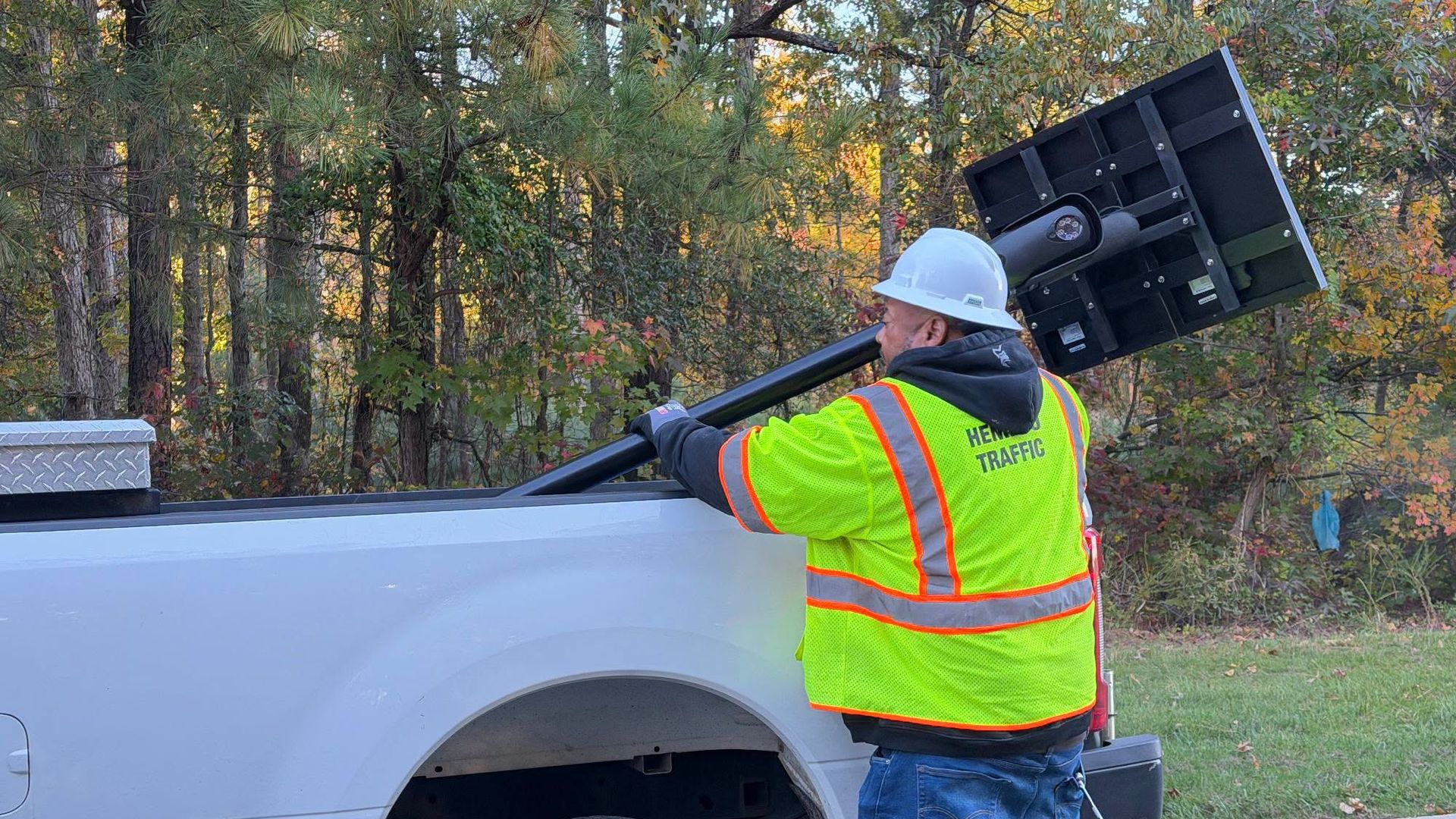
A Henrico worker putting a now-removed Flock camera into the bed of a truck. Photo: Courtesy of Henrico County
Henrico's decision to ditch its 122 Flock license plate readers set off a behind-the-scenes dispute over how quickly the surveillance company had to remove its equipment — and who would pay to take it down.
Why it matters: Emails obtained by Axios show Flock questioning the county's timeline and seeking answers about cameras Henrico had already removed, as police were planning to expand their use of another Flock surveillance product.
- Henrico also says it has no records of what it cost to dismantle the network.
The big picture: Henrico terminated its license plate reader contract with Flock on Oct. 14, giving the company until Oct. 21 to remove the cameras, poles and related equipment.
- The county warned that if Flock failed to certify the removal by that deadline, Henrico would do the work at the company's expense.
- But Flock disputed the timeline, telling county officials during an Oct. 13 meeting that the deadline was "unreasonable," according to a Nov. 2 email from company representative Greg Sheehan.
- Henrico ultimately decided not to seek reimbursement for removal costs, county spokesperson Will Jones told Axios.
The intrigue: Days before that meeting, in an Oct. 7 email, Henrico police lieutenant C.J. Maurice told Flock the department intended to expand its Raven gunshot detection system.
- On Oct. 12, Maurice said he was checking whether grant funding had arrived so the department could begin the purchase process.
- Flock is now seeking permits for the expansion, covering roughly a quarter-mile area near Mechanicsville Turnpike, Cool Lane, Beck Drive and St. Clair Lane, Jones told Axios.
- The two-year deployment will cost $30,000, entirely funded by a state Ceasefire Grant, Jones said.
Zoom out: About 25 to 30 Henrico crew members took down the cameras themselves on Oct. 31 over the span of nine hours, prompting questions from Flock about the county's actions.
- In a Nov. 2 email, Sheehan challenged Henrico's public characterization of Flock as "non-responsive" and asked which contractual obligations the company had failed to meet.
- He argued the contract didn't specify a removal deadline and asked whether the county had left portions of the camera poles in the ground.
- Henrico confirmed it did. Flock removed them all last week, a company spokesperson told Axios.
The other side: Maurice wrote the county's main objective in dismantling the cameras was to give residents "peace of mind" that they were no longer active.
What's next: The remaining equipment is in a county public works storage facility, Jones said, while police hold six portable license plate readers that are turned off and disconnected from county systems.
- Flock is coordinating their pickup, per a company spokesperson.
What's unclear: Henrico told Axios it has no records documenting the costs associated with removing, transporting or storing the equipment.
Meanwhile: Henrico considers the dispute resolved. Flock hasn't said whether it agrees.