Scoop: Richmond looks to expand Vision Zero playbook

Add Axios as your preferred source to
see more of our stories on Google.
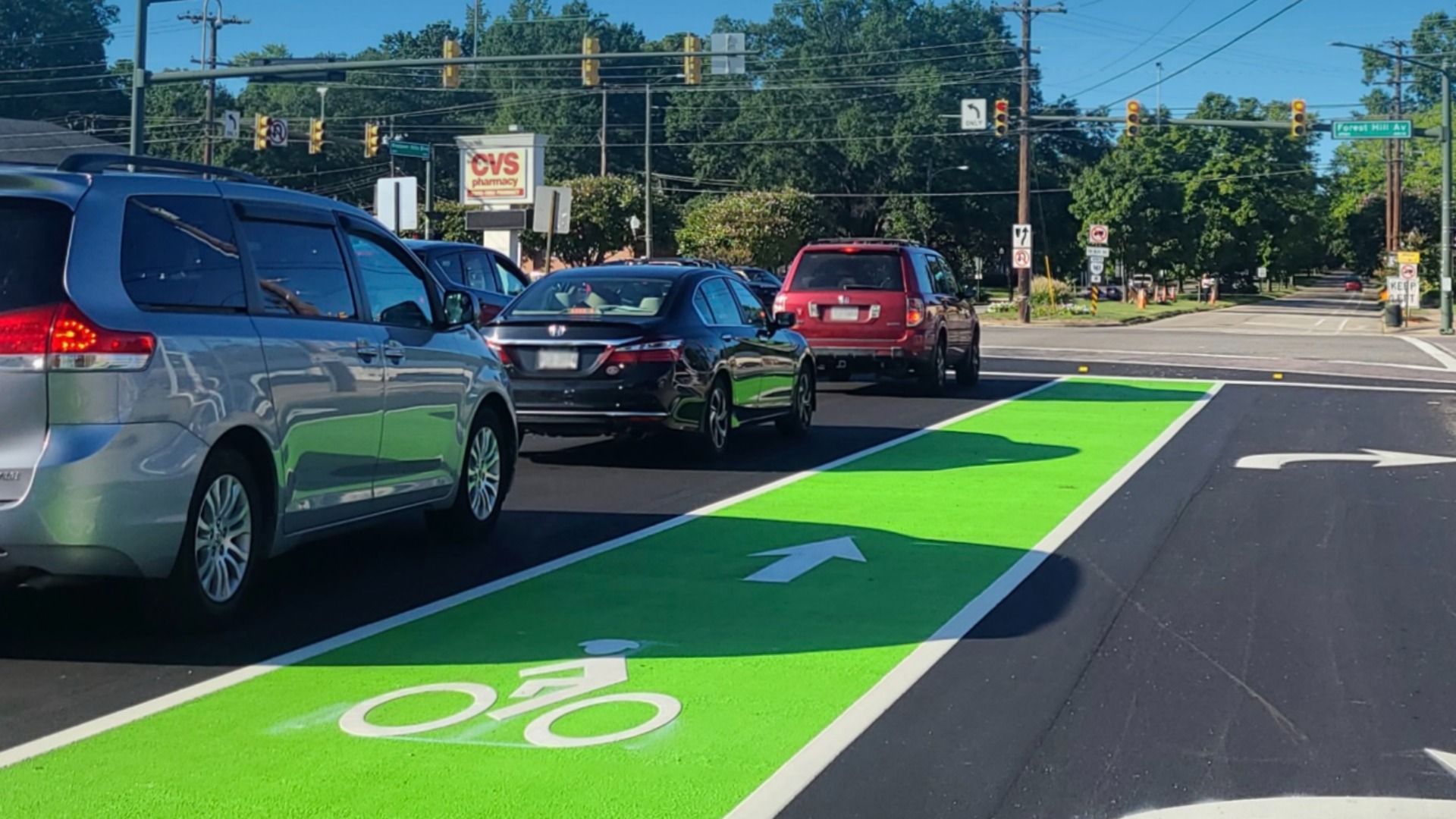
A snapshot of Forest Hill Avenue, mentioned in the Vision Zero draft. Photo: Courtesy of the city of Richmond
Richmond's first Vision Zero update since 2023 would bring in the courts, expand automated cameras and use new data to spot dangerous streets before crashes happen.
Why it matters: Richmond has spent years redesigning streets and stepping up police enforcement to hit its goal of zero traffic deaths by 2030.
- But traffic deaths have nearly doubled since the plan was formalized in 2018, from 12 to 21 in 2025.
- The latest draft, obtained by Axios, broadens the city's approach to preventing them.
Catch up quick: The city's High-Injury Street Network — the list that drives where safety dollars go — is based largely on streets where people were killed or seriously injured.
- While the 2026 draft keeps the network rooted in where the worst crashes have occurred, including Hull Street and Chamberlayne Avenue, it also uses aggregated speed data and state models to predict pedestrian and cyclist crash risks.
- Plus: Public health tools that factor in walkability, transportation access and income.
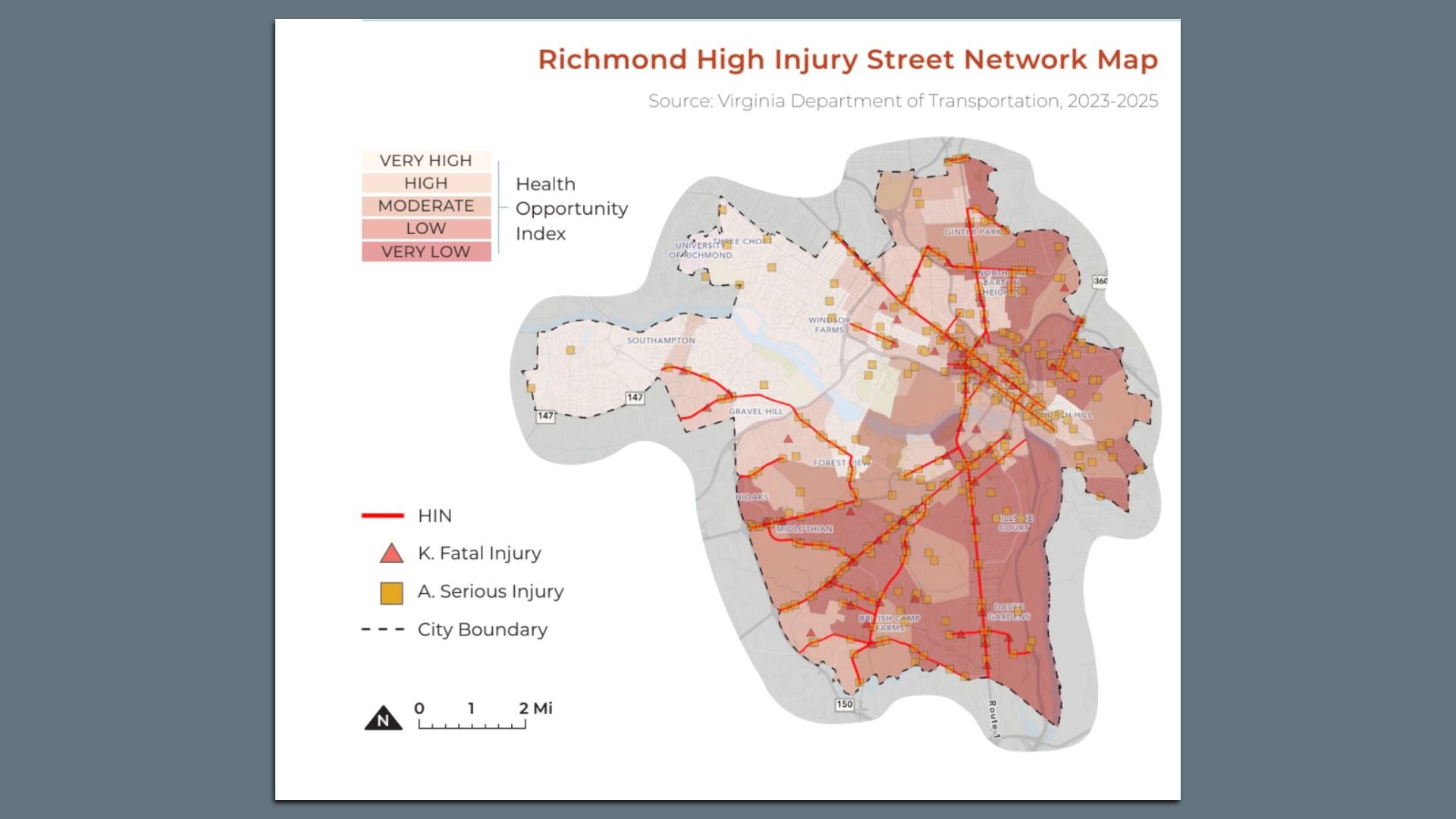
Zoom in: Consulting firm VHB prepared the plan for the Safe and Healthy Streets Commission, which is considering it for adoption in October. It also calls for:
👩🏻⚖️ A judicial strategy
For the first time, the plan includes a "judicial category," which would:
- Work with the Commonwealth's Attorney to better understand why DUI cases are dismissed or downgraded.
- Advocate for repealing a state rule that lets a pedestrian or cyclist be denied compensation if found even 1% responsible for a crash.
📸 Expanding automated enforcement
The city says it'll have 61 automated enforcement cameras running by the end of summer, but it is limited by state law to placing them in school zones, work zones and high-risk corridors.
- Richmond wants automated enforcement expanded into commercial and residential districts and parks.
📢 Explaining the rules, not just enforcing them
The plan adds a dedicated outreach push to explain new state laws Richmonders might not know exist, including a system allowing GRTC to ticket drivers who block bus lanes and stops.
What they're saying: The update is meant to build on Richmond's Vision Zero work while changing how people think about and use city streets, city spokesperson Jensen Gavulic tells Axios.
What's next: The draft is moving through the review process. If approved, Richmond's Department of Transportation will create the updated High-Injury Street Network and add it to the public Vision Zero dashboard, Gavulic says.