Virginia sees rise in parasite illness causing "explosive" diarrhea


Add Axios as your preferred source to
see more of our stories on Google.
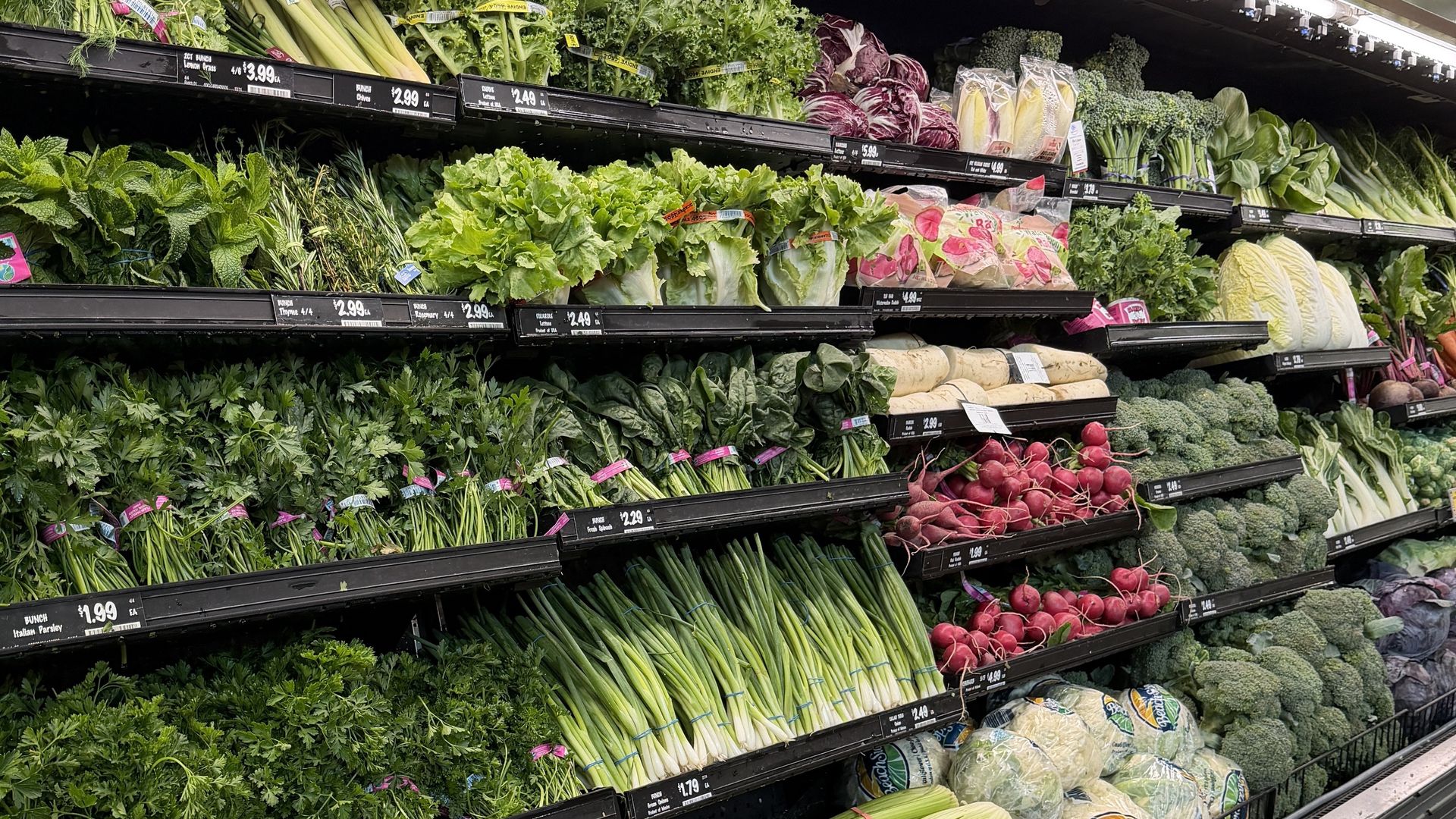
Photo: Ashley Mahoney/Axios
Virginia isn't seeing a cyclosporiasis outbreak yet, but the state is seeing more cases of the gut-wrecking illness than usual.
Why it matters: Investigators nationwide have yet to find the source behind the contamination that's affected nearly 7,000 Americans, leaving people confused and with few answers about how to avoid the parasite.
By the numbers: Virginia reported 37 cases of cyclosporiasis through July 4, per a Wednesday update from the Virginia Department of Health.
- That's nearly triple the five-year average for this point in the year (13 cases) and almost four times the number the state had reported last month.
- At least two people were hospitalized, VDH spokesperson Brookie Crawford tells Axios.
Between the lines: Cases are spread across Virginia, with no single region driving the increase, Crawford says.
- And VDH expects the cases to keep rising into early fall, "which is typical," Crawford adds.
- Virginia reported 116 cases in 2025 and 191 in 2024.
What we know: The illness, which has hit at least 34 states, can cause "explosive" or "watery" diarrhea and stomach cramps, bloating and nausea, per the CDC.
- Symptoms can last anywhere from a few days to more than a month.
- The parasite is difficult to trace because symptoms don't appear until about a week after someone eats food or drinks water contaminated with feces.
- That forces investigators to rely largely on interviews with sick people to find common foods.
The foods under scrutiny: Fresh produce including berries, fruit mixes, salad greens including lettuce, cilantro and basil.
- Some experts advise temporarily avoiding bagged salads or produce while the investigation continues, though VDH hasn't advised consumers to stop eating fresh produce yet.
- Some Taco Bell locations across the country — though none in Virginia so far — have temporarily stopped serving lettuce, pico de gallo, guacamole and cilantro, per multiple reports.
What you can do: "People should still thoroughly wash all fresh fruits and vegetables under running water, as this can reduce — though not eliminate — contamination," says Steven Goldberg, chief medical officer at HealthTrack.
- Firm produce items, including cucumbers or watermelons, should be scrubbed with a clean brush.
- Wash your hands with soap and cook when you can (heating food to 158°F can help kill the parasite).
What's next: VDH will update the case counts again on Aug. 1.