Westwood and Powhatan's birthplace land on endangered places list

Add Axios as your preferred source to
see more of our stories on Google.
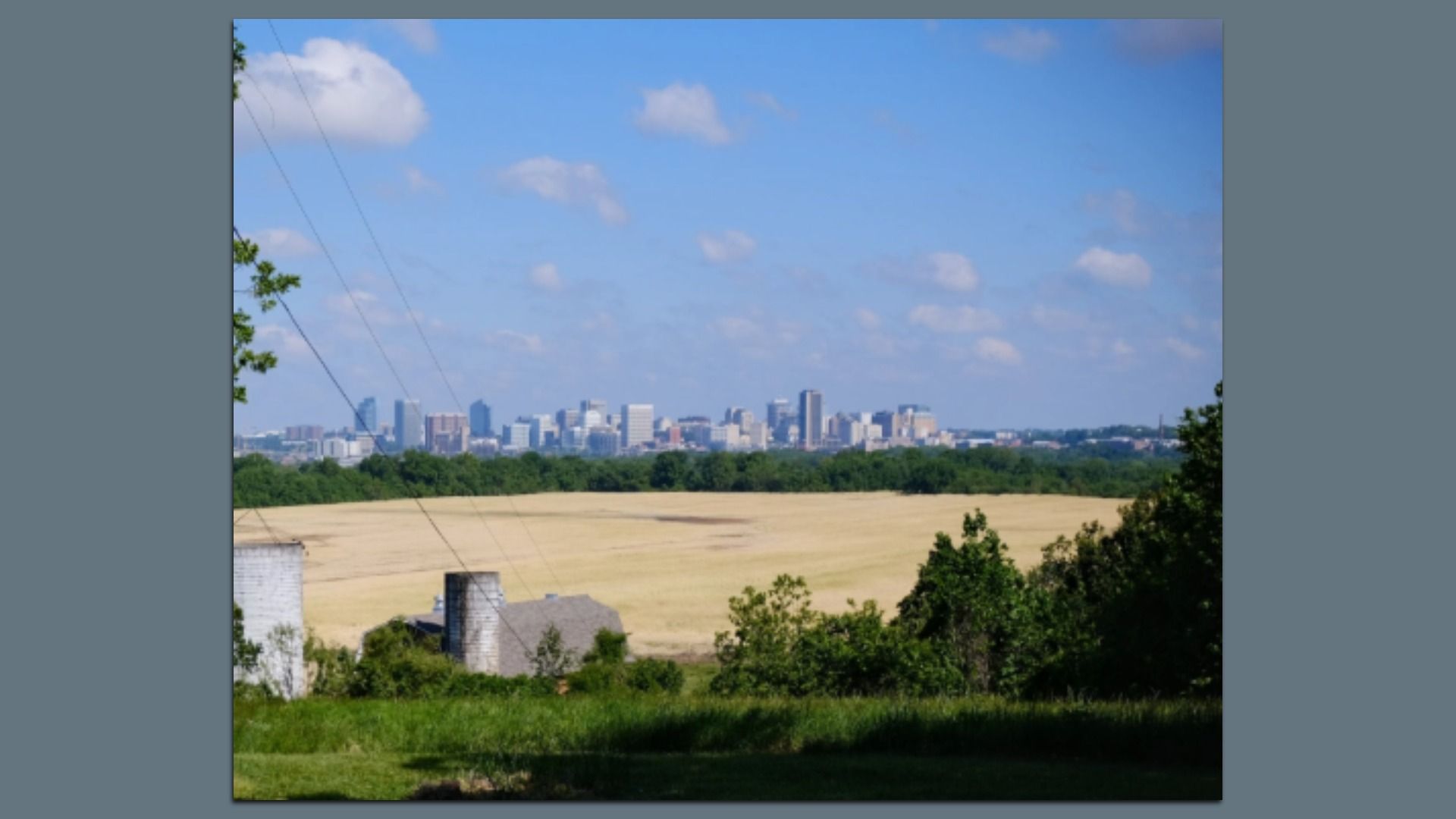
Powhatan's birthplace in Henrico. Image: Courtesy of Preservation Virginia
Two Richmond-area spots have landed on this year's list of Virginia's "most endangered" sites.
Why it matters: Preservation Virginia, the group behind the list, hopes to save the historically significant spaces at risk of being demolished or erased.
State of play: Development is among the biggest threats to the nine historic sites statewide that Preservation Virginia identified as "facing imminent or sustained" risk of disappearing.
- Sites significant to Black communities frequently make the group's endangered list — and this year is no exception. The same is true for sites important to the state's Indigenous history.
Zoom in: The Henrico County birthplace of Chief Wahundsenacawh, better known as Chief Powhatan, could be lost if a proposed mixed-use development moves forward, says Preservation Virginia.
- For more than two decades, the 523-acre site on Route 5 in Varina has sat largely vacant. The latest plans call for thousands of new homes and more than 1 million square feet of retail space there.
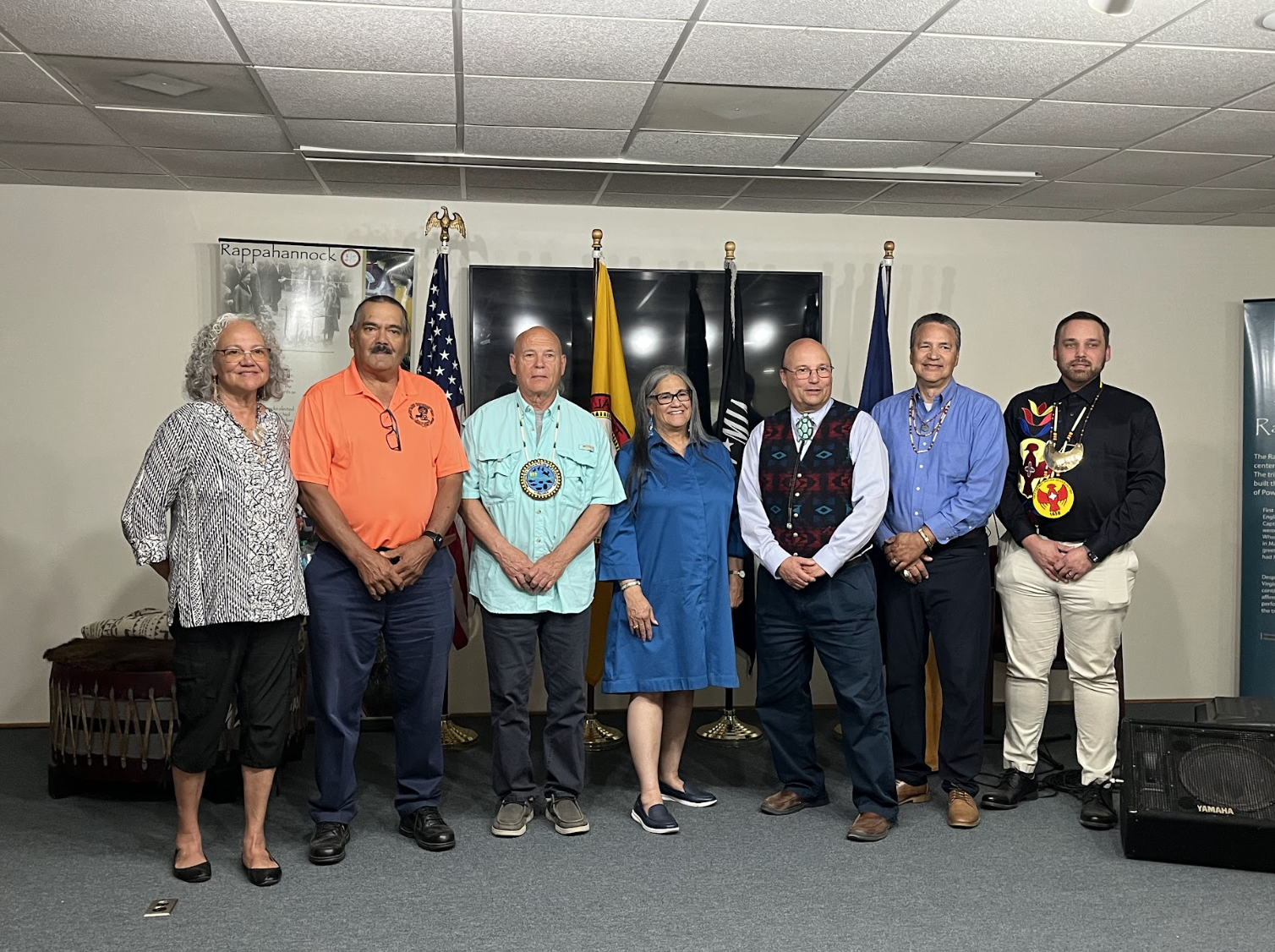
- For Virginia's Indigenous communities and the state's recognized tribes, it's sacred land and a "place of power, remembrance and ceremony." They've united to push to save the site from development.
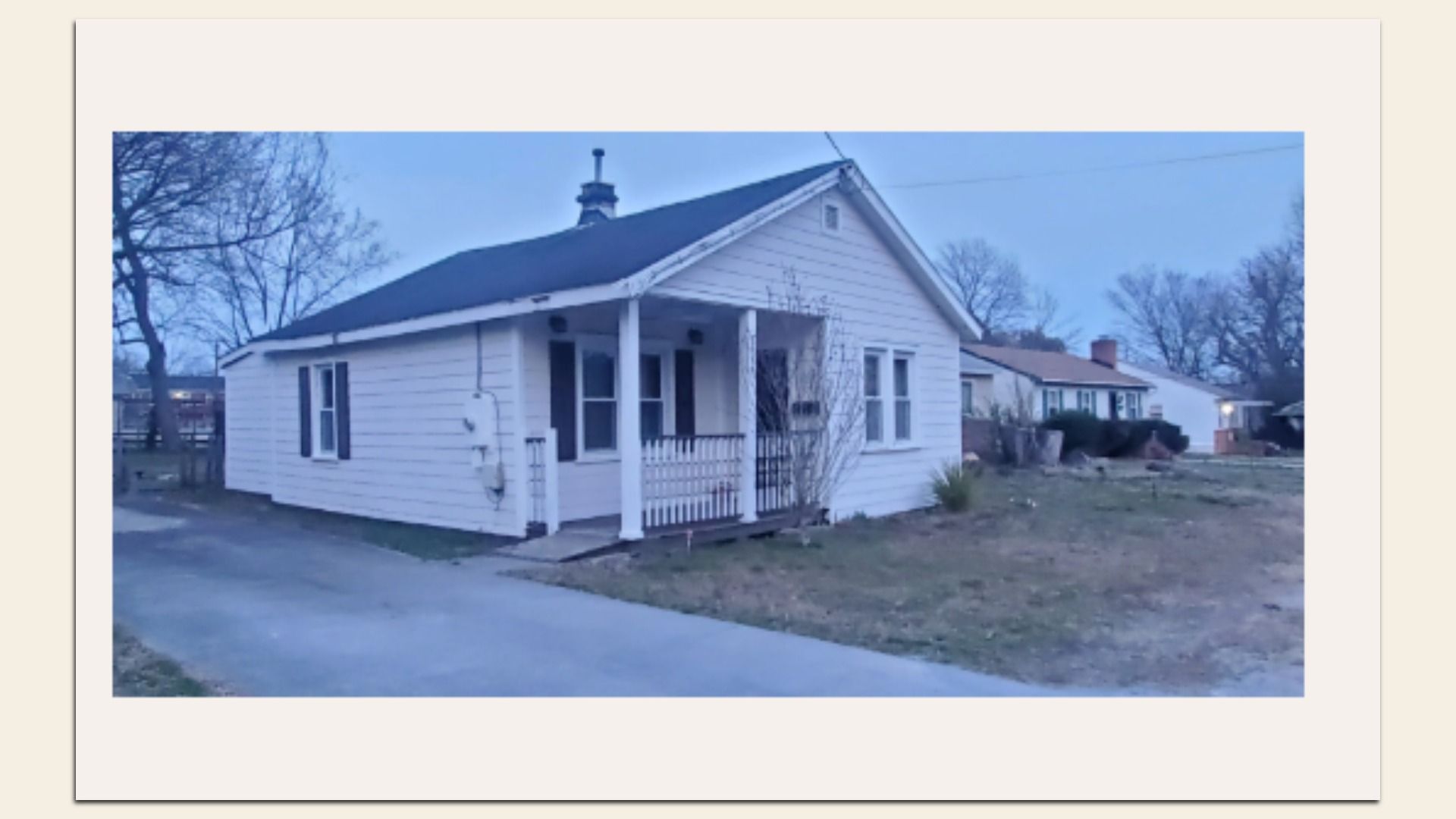
Meanwhile, development pressure also landed the historic Westwood neighborhood on the list.
- The historically Black Near West End neighborhood was founded by formerly enslaved Richmonders just after the Civil War in what was then Henrico County.
- The city annexed the community in the 1940s, and it continued to be a thriving neighborhood for generations of Black Richmonders — many of whom passed down their single-family homes, per Preservation Virginia.
- Yes, but: The city's code refresh and the highly desirable Near West End ZIP code (where the median home list price is $1.1 million, and teardowns are concentrated) put the community at risk.
How it works: Each year, Preservation Virginia highlights places facing abandonment, neglect, dilapidation and/or development pressure.
- Since the list's introduction in 2000, 90% of the more than 200 sites on it have been saved.
The bottom line: Getting on the nonprofit's list doesn't save a site, but the group hopes it raises awareness about the threat.