Richmond details $4.1M winter storm response

Add Axios as your preferred source to
see more of our stories on Google.
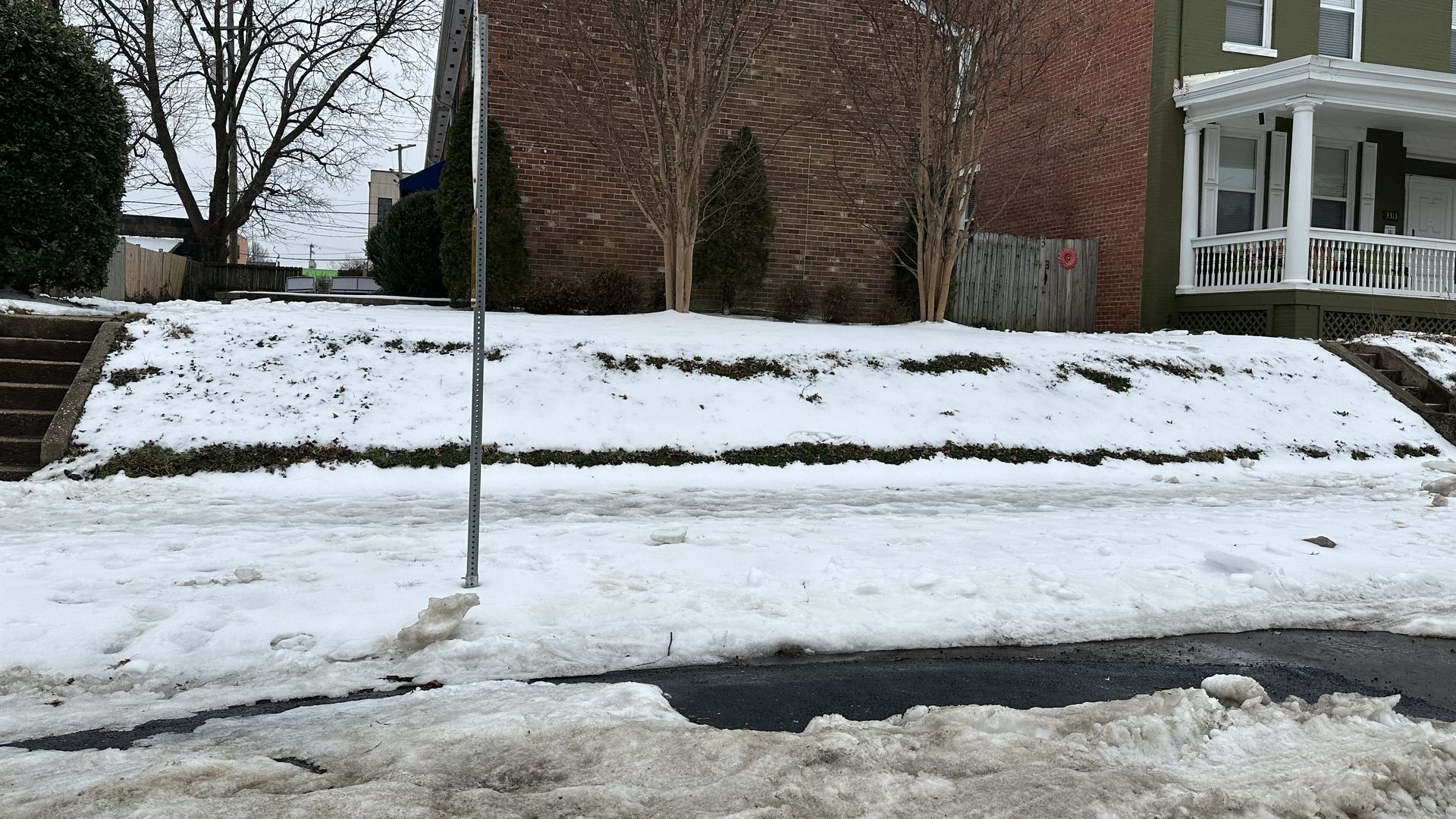
The Museum District in early February. Photo: Karri Peifer/Axios
The city just dropped an after-action report on its response to the winter storms that crippled the region in January and early February.
Why it matters: The storms provided the city with the first real test of the emergency response hub it created after the water crisis, and it largely worked, the report found.
- Yes, but: Much like Henrico found with its postmortem, the walloping of ice and sustained cold, coupled with equipment issues, strained the city's response.
State of play: Richmond officials said in the report that the city's response to the wild winter weather benefited from the Multi-Agency Coordination Center, which launched this year.
- The MACC drove faster and clearer communication across city agencies, which allowed the city to respond more quickly.
- But the report also notes that extended subfreezing temperatures strained sand supplies, aging snow equipment and staff.
Friction point: The report does not specifically address delays in plowing or treating neighborhood streets or issues with icy sidewalks, chief gripes among locals.
- It does mention that back-to-back storms delayed the city getting to residential streets because it had to retreat primary roads.
- And mentions that equipment reliability was an issue with older trucks and plows, especially because they're stored uncovered year-round.
The report also says the city has over 2,500 lane miles of roadway, but notes that only 1,000 lane miles were treated at least once, which suggests some roads were never treated.
- The city did not respond to a request for clarification by press time.
By the numbers: Here are some other big takeaways from the report.
💸 Just under $4.1 million — the amount the city spent on the storm, including $2.5 million on personnel (the rest was operational costs)
☎️ 8,479 calls were made to the city's 311 line between Jan. 24 and Feb. 7 (it does not include the number of 311 online tickets)
🛣️ 7,400 lane miles were treated and/or plowed, including 700 lane miles of main roads that were treated at least eight times
🧂 6,000 tons of salt used on roadways
🥒 5,000 gallons of liquid brine for roads
🚨 2,424 911 calls answered between Jan. 23–28
🚙 238 vehicle crashes reported between Jan. 23–Feb. 2
🚜 80 trucks for spreading and plowing, including contractors with 20 trucks with plows and spreaders
What's next: The report recommends the city improve its fleet reliability and streamline its tracking of storm-related costs and service requests.