VMFA returns dozens of stolen ancient art

Add Axios as your preferred source to
see more of our stories on Google.
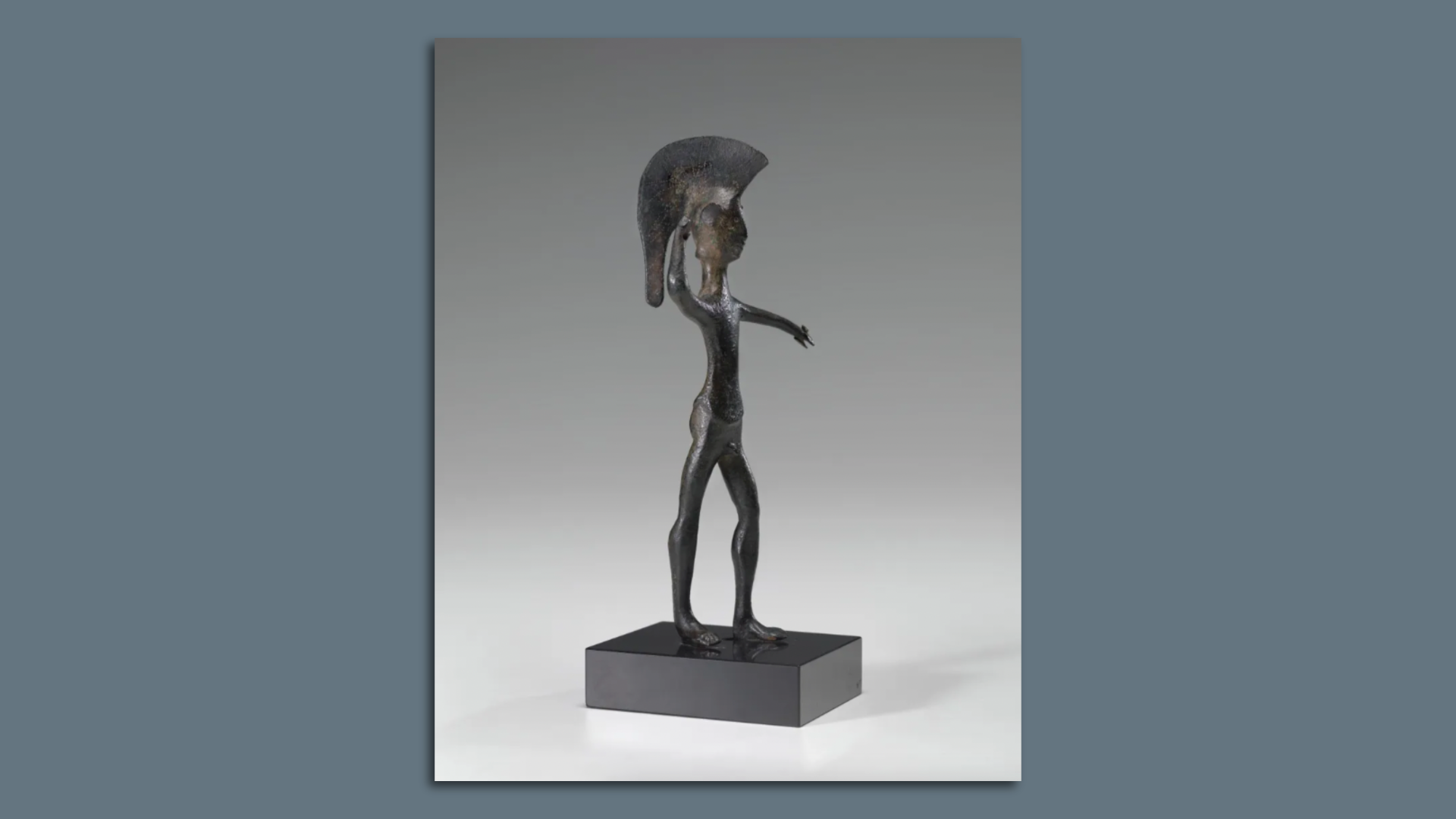
A statuette of an Etruscan warrior the VMFA returned to a museum in Bologna, Italy. Photo: Courtesy VMFA/Travis Fullerton
A 2,500-year-old bronze statuette was stolen from an Italian museum in the 1960s.
- It turns out it's been sitting in Richmond for decades.
What's happening: The Virginia Museum of Fine Arts announced this week it returned the artifact along with 43 other stolen or looted ancient art objects discovered in its collection.
- The repatriation follows a joint investigation by the Department of Homeland Security and the Manhattan District Attorney's Antiquities Trafficking Unit, per an announcement released by the museum this week.
What they're saying: "The clear and compelling evidence presented to VMFA left no doubt that the museum does not hold clear title for these 44 works of ancient art," the VMFA's chief curator, Michael R. Taylor, said in a statement.
- "Stolen or looted art has no place in our galleries or collection, so we are delighted to return these works to their countries of origin."
Zoom in: The museum says it received an initial summons in May and met with investigators in October.
- The release describes evidence that the objects were stolen as "irrefutable."
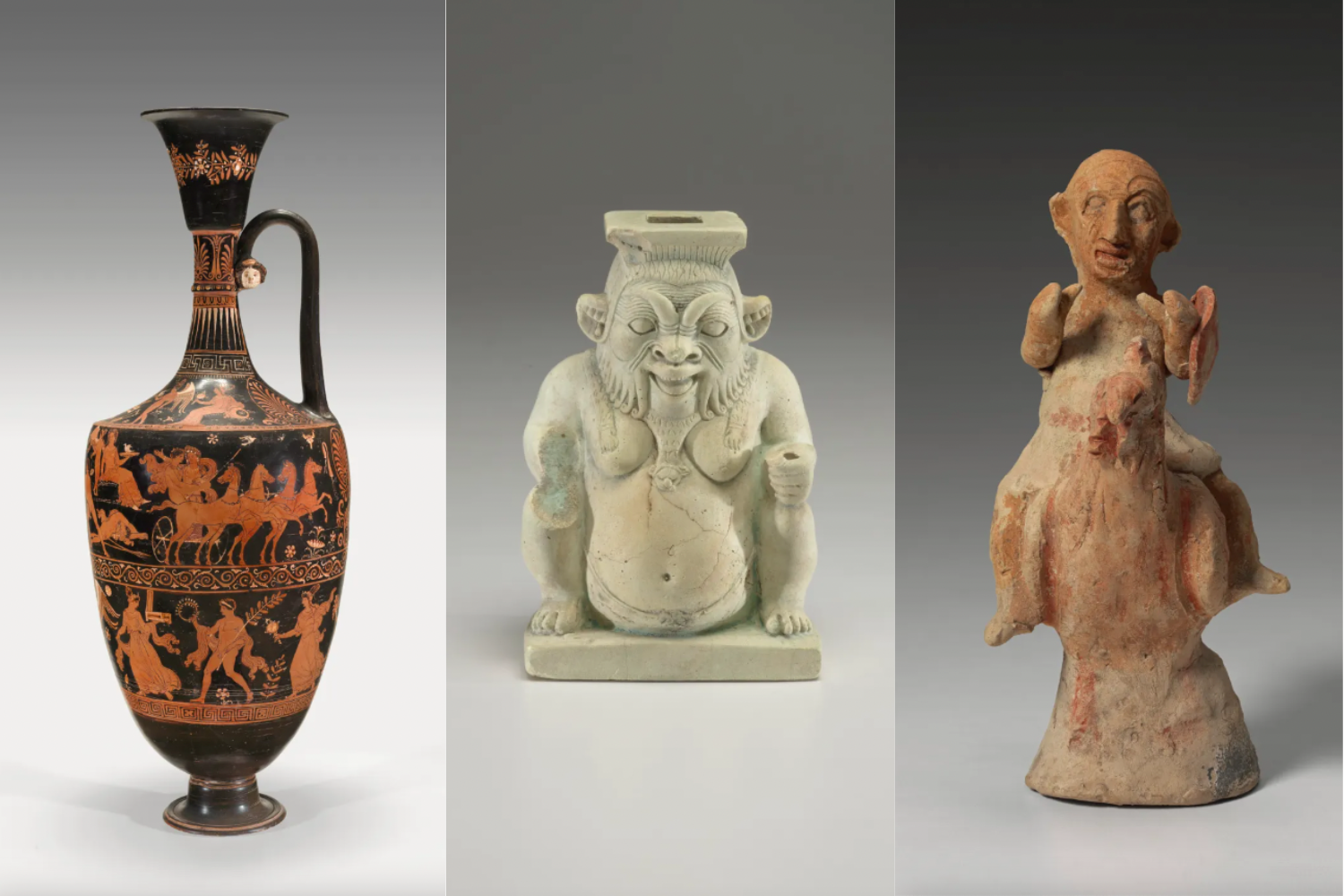
Details: The bronze statuette was stolen in 1963 from the Museo Civico Archeologico in Bologna, Italy.
- The remaining 43 objects were looted from sites in Italy, Egypt and Turkey "as part of an international criminal conspiracy involving antiquities traffickers, smugglers and art dealers that is being actively investigated," per the museum.
Of note: The VMFA says there was no evidence linking current employees with criminal activity related to the acquisition of the objects, which it says occurred mostly in the 1970s, '80s, and early '90s.
- The museum did not respond to a question about whether any former employees had been linked to criminal actions.
The Manhattan District Attorney's office did not respond to an email seeking comment.
- The leader of the investigation, Matthew Bogdanos, is well known for his work tracking stolen antiquities.
In a profile earlier this year, he told CBS News that "up until ten years ago, it was considered oh so gauche to ask inconvenient questions of provenance — it just wasn't done."