SAS to launch AI think tank at N.C. State

Add Axios as your preferred source to
see more of our stories on Google.
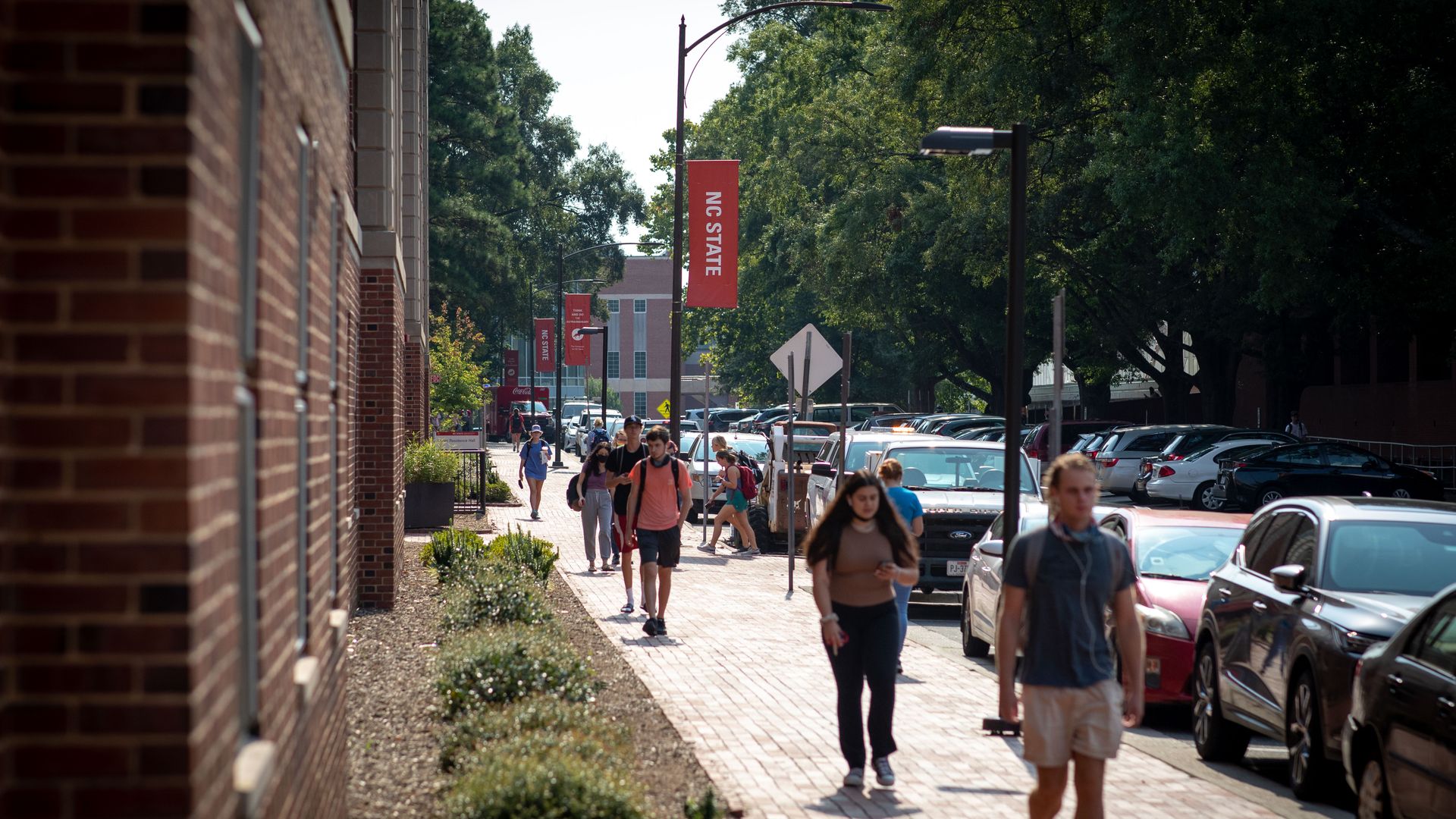
Photo: Logan Cyrus/Bloomberg via Getty Images
SAS Institute, the multibillion-dollar analytics company born in the labs of N.C. State, will help launch a new AI think tank at the university, its CEO Jim Goodnight said Thursday.
Why it matters: The partnership aims to improve health outcomes and agricultural practices and to create safety frameworks around the use of AI in those areas.
- SAS' analytical model was originally created at N.C. State to find a better way to analyze agricultural data. Since then, it has evolved into creating analytics software for myriad industries and in recent years has invested heavily in new AI capabilities.
What they're saying: "The next generation of innovators will need more than powerful technology. They'll need the judgment to use it responsibly," Goodnight said in a statement. "By connecting NC State's interdisciplinary research with SAS' data, AI and industry expertise, we can help students and researchers build trusted approaches to problems that matter."
Zoom in: One of the first efforts the think tank will focus on is how to use AI to better predict how diseases and treatments for those diseases behave in humans.
- Researchers at N.C. State hope to sync studies in living organisms with advanced lab studies looking at small versions of organs grown from cells.
- The hope is that creating better predictive models in these settings will help scientists discover therapies faster and at a lower cost.
Yes, but: Conventional AI models can struggle in the current environment because the small-organ models come from a relatively small set of biological subjects, according to SAS, leading to analysis that can struggle to hold up across studies or from one biological system to another.
- The SAS-N.C. State think tank hopes to create new analytical systems to account for these challenges.
What's next: The think tank is designed as a two-year pilot, with the goal of creating a new analytical model that can be used broadly at other universities or companies.