Chicken lawsuit gives window into North Carolina's biggest farm industry

Add Axios as your preferred source to
see more of our stories on Google.
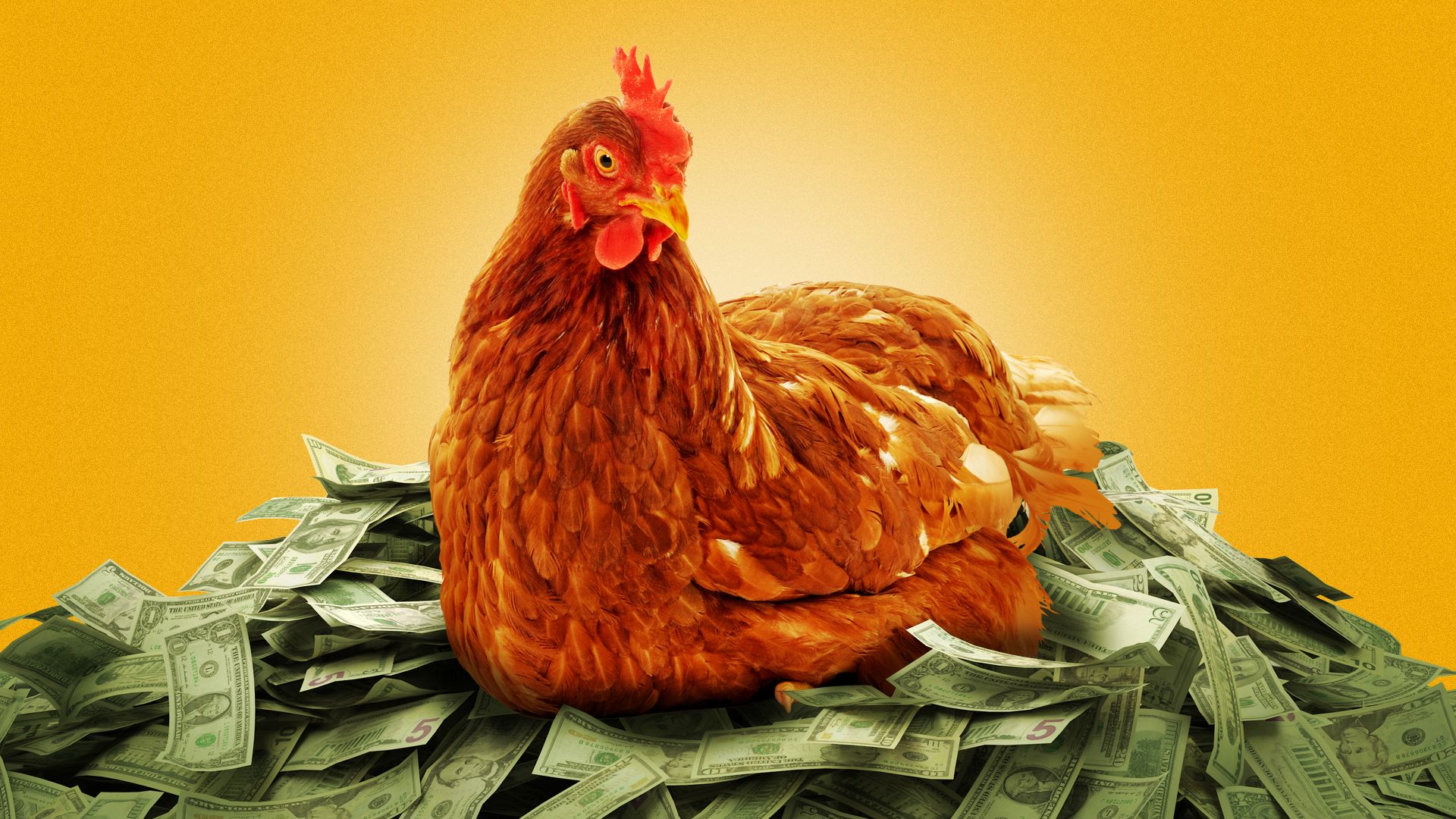
Illustration: Sarah Grillo/Axios
A federal antitrust lawsuit targeting the broiler chicken industry is nearing settlement, putting one of North Carolina's biggest agricultural sectors in the spotlight.
Why it matters: Chicken is American consumers' favorite — and typically cheapest — source of meat.
Driving the news: The U.S. government and several state governments, including North Carolina's, sued the company Agri Stats in federal court in 2023, alleging it helped the broiler chicken industry collude to coordinate prices and production.
- The U.S. Department of Justice alleges Agri Stats collected data from chicken producers, sold industry reports back to them, and withheld comparable information from buyers, which the DOJ says was anticompetitive and harmful to consumers.
What they're saying: "It cost all of you a lot of money over a number of years, whether you were buying your food at a grocery store or a restaurant. It was virtually all downstream of this scheme," North Carolina Attorney General Jeff Jackson said last week.
State of play: Poultry is North Carolina's biggest agricultural commodity. Broiler chickens in particular made up more than 40% of the state's farm receipts in 2024, per U.S. Department of Agriculture data.
- The state is the nation's biggest producer of broiler chickens, producing more than 7 billion pounds annually, per the North Carolina Poultry Federation.
How it works: Broiler chicken production is highly vertically integrated, with most major players operating their own hatcheries, feed mills, processing plants and transportation divisions, but contracting out the chicken-raising to independent farmers, says Tomislav Vukina, a professor of agricultural and resource economics at NC State.
- 90% of broiler chickens are raised within 60 miles of the processing plant, according to research cited in a 2023 USDA report on concentration and competition in agribusiness.
- "This market is very regional because live animals cannot travel large distances," Vukina says. After the slaughterhouse, the chicken can be shipped anywhere.
By the numbers: Chicken consumption will exceed 102 pounds per person this year, according to USDA projections.
- That's up more than 30 pounds per person in 30 years, data shows. Red meat consumption dropped in that time frame.
- Vukina says it's hard to tell if chicken being cheaper than beef and pork drove that change or if health and consumer preferences simply changed. "It's like a chicken-or-egg problem," he says. "I think it's a little bit of both."
Zoom in: The proposed settlement reached this month would change how Agri Stats shares data, giving producers less "visibility into their rivals' operations" and giving others the ability to purchase the information, according to the DOJ.
The other side: Agri Stats president Eric Scholer released a statement saying the company is "pleased to put this case … behind us" and arguing that its reports have helped companies grow and become leaner, benefitting consumers.
- Scholer said the only way chicken producers "can continue to keep prices low for consumers and remain in business is to make their operations as efficient as possible, and Agri Stats helps them to do exactly that."
What's next: A federal judge must approve the settlement for it to take effect.