Redistricting North Carolina could give Republicans an extra seat in the U.S. House


Add Axios as your preferred source to
see more of our stories on Google.
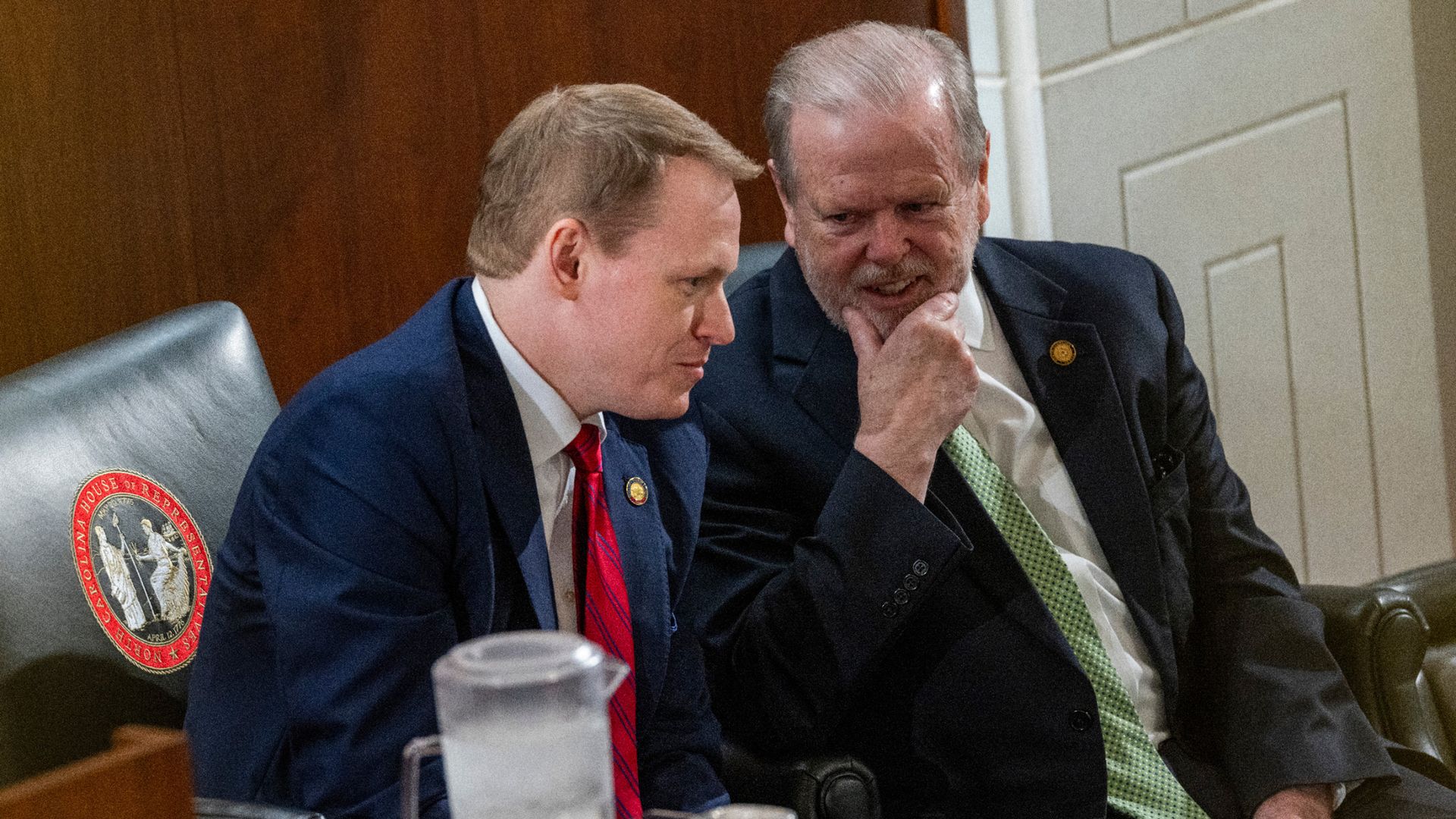
Senate leader Phil Berger, right, chats with his counterpart in the House earlier this year. (Travis Long/The News & Observer/Tribune News Service via Getty Images)
If North Carolina lawmakers redistrict to try for one more Republican seat in the U.S. House in 2026, they'll likely only have until December to draw a new map.
Why it matters: Rumors began swirling this week that North Carolina will become the latest state to redistrict. And CBS17 reported that Republican Senate leader Phil Berger was considering redrawing maps in exchange for a Trump endorsement — though he denied it.
- A map redrawing is under consideration, multiple N.C. political insiders, who were not authorized to speak publicly about redistricting, told Axios. President Donald Trump has been pushing the strategy to give his party an advantage in the midterm slump that typically hits the president's party.
State of play: Today, North Carolina's 14 congressional seats are occupied by 10 Republicans and 4 Democrats.
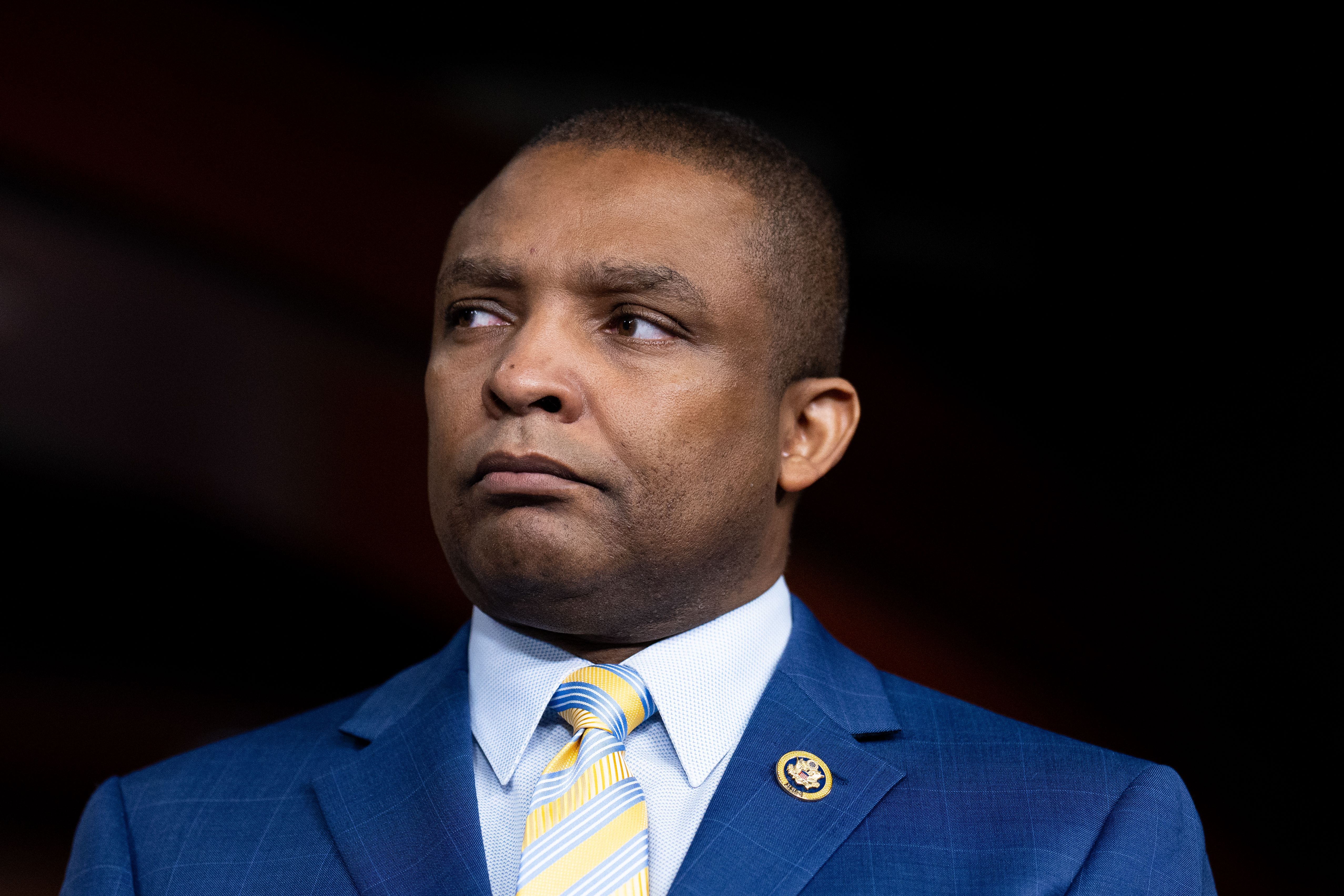
- Redrawing the lines even slightly could ease Republicans' path to victory in the 1st Congressional District — which most politicos believe is the only truly competitive race — and it's occupied by Don Davis, a moderate who was one of the few Democrats to win a district that Trump won.
- Legislators could also potentially fortify Davis' district and instead place the Triangle's two Democratic representatives, Deborah Ross and Valerie Foushee, in the same district. (Although, a congressional representative can technically live anywhere in the state, even if it's outside their district.)
- An 11-3 advantage is not necessarily the best Republicans can get, says Western Carolina University political science professor Chris Cooper, but it "doesn't take a lot of tweaking."
Between the lines: Both moves would weaken Republican advantages in other seats, and redrawing the 1st District could open Republicans to lawsuits for diluting minority votes in a historically Black district.
- Cooper says state and federal court decisions have made the "odds of getting away with it higher than they used to be."
The big picture: Texas has already redrawn its maps to favor Republicans, and Democrats in California hope to respond by drawing new districts for their party.
- Republicans currently have a five-seat advantage in the U.S. House. Two vacancies will be filled by the end of the year.
What they're saying: Berger took to X to address speculation, saying California Gov. Gavin Newsom is "trying to steal" the majority.
- "If we have to draw one more map this year, we will," Berger continued.
- Berger — who has a tough primary opponent in Rockingham County Sheriff Sam Page — denied that he was planning to redistrict in exchange for a Trump endorsement, saying he's never spoken to the president about it.
- House Speaker Destin Hall chipped in shortly after, tweeting: "You know, I'm something of a redistricting expert myself."
- The White House declined comment, and spokespeople for Berger and Hall have, so far, declined to elaborate.
Cooper notes that the General Assembly doesn't need permission to redraw congressional maps mid-decade, but they haven't done it before, absent a court order.
- That norm exists, Cooper adds, because redrawing maps is "expensive, it's messy, it makes it harder on voters, and it's incredibly confusing."
- Gov. Josh Stein, a Democrat, does not have the power to veto redistricted maps.
The intrigue: Earlier this week, the House and Senate extended their sessions in October and November from one to four days each.
What's next: We'll be watching closely for updates ahead of that Oct. 20 session.