Fujifilm's North Carolina plant opens amid push to onshore manufacturing

Add Axios as your preferred source to
see more of our stories on Google.
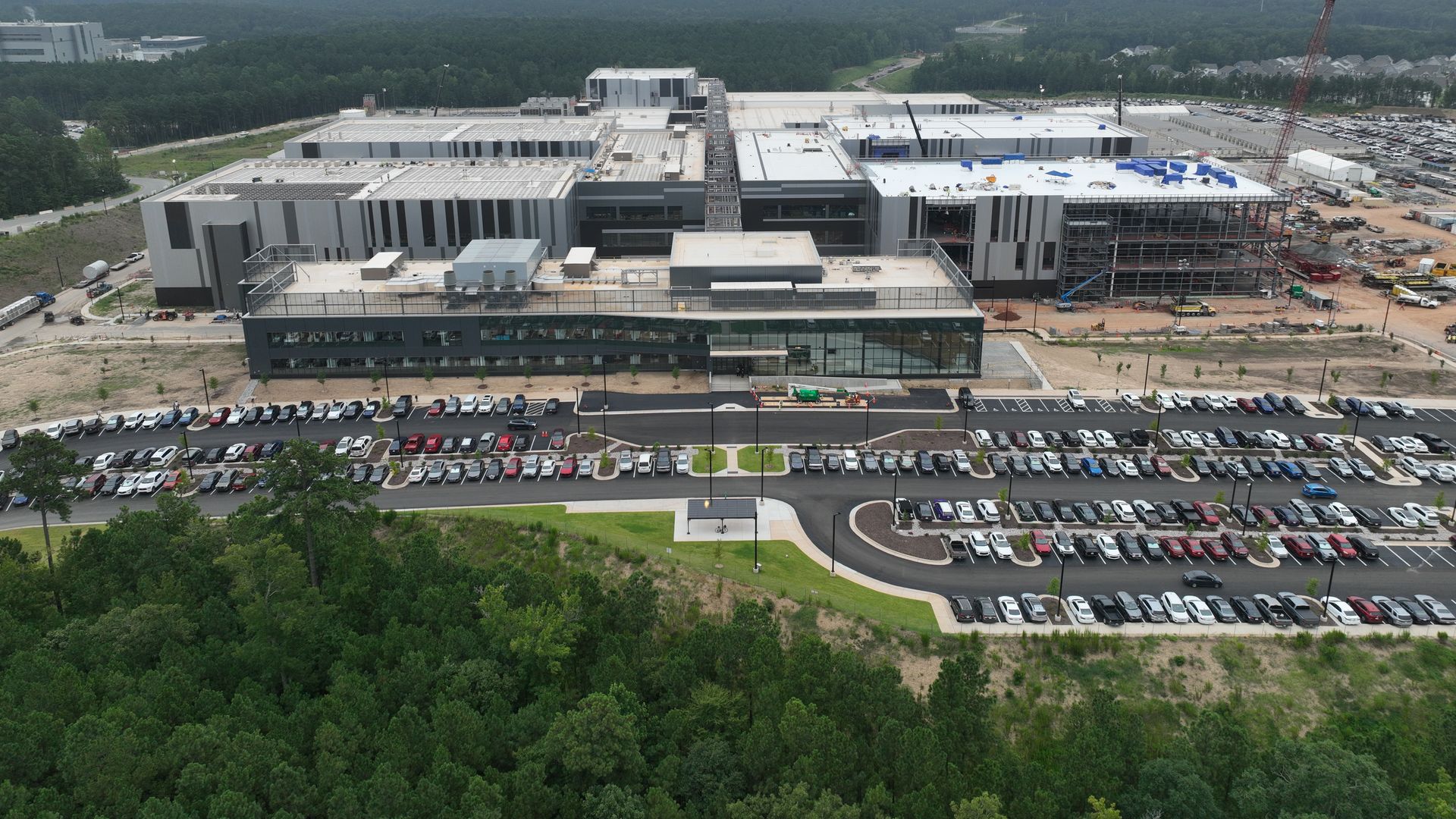
Fujifilm Biotechnologies is opening a $3.2 billion drug manufacturing plant in Holly Springs. (Courtesy of Fujilfim)
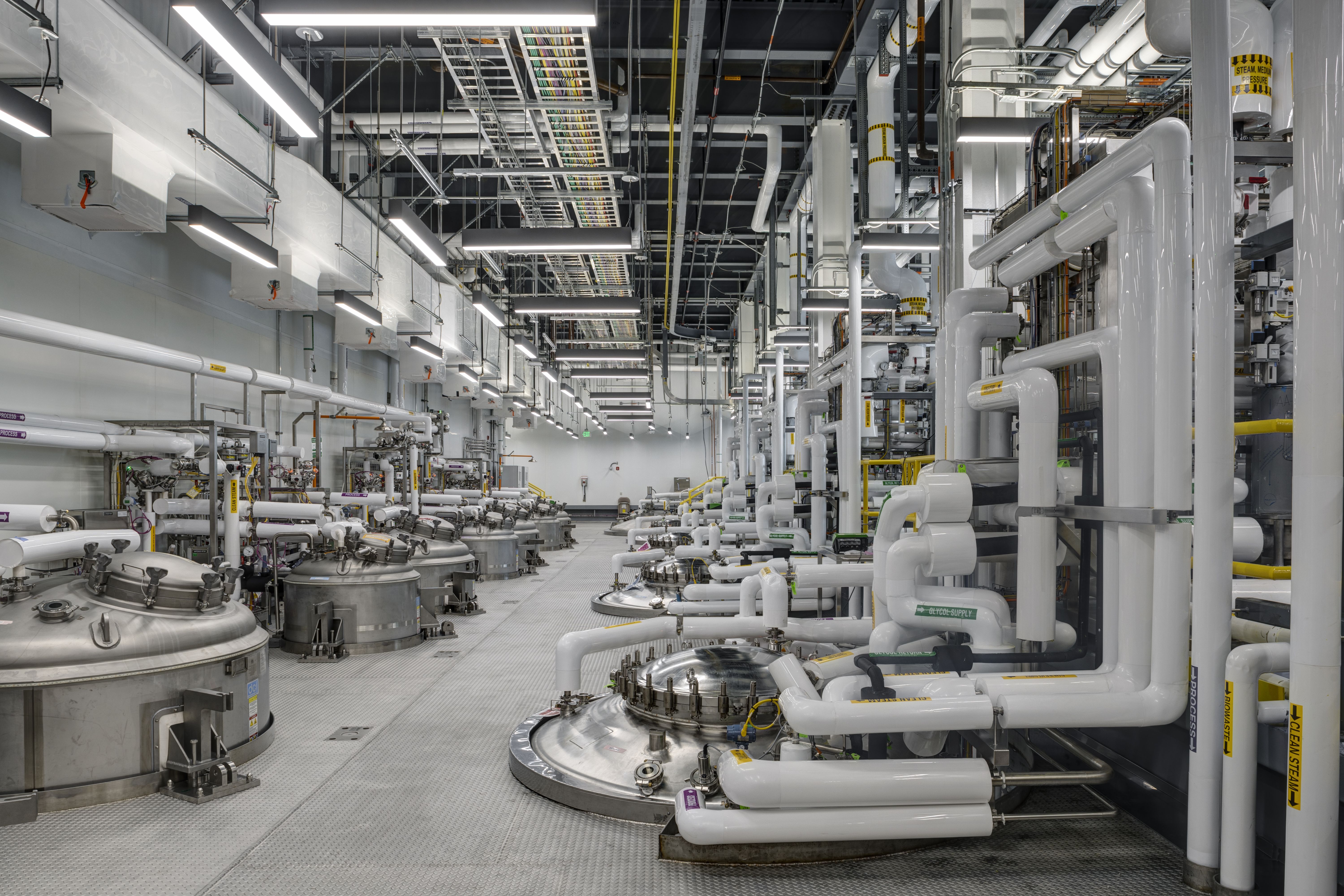
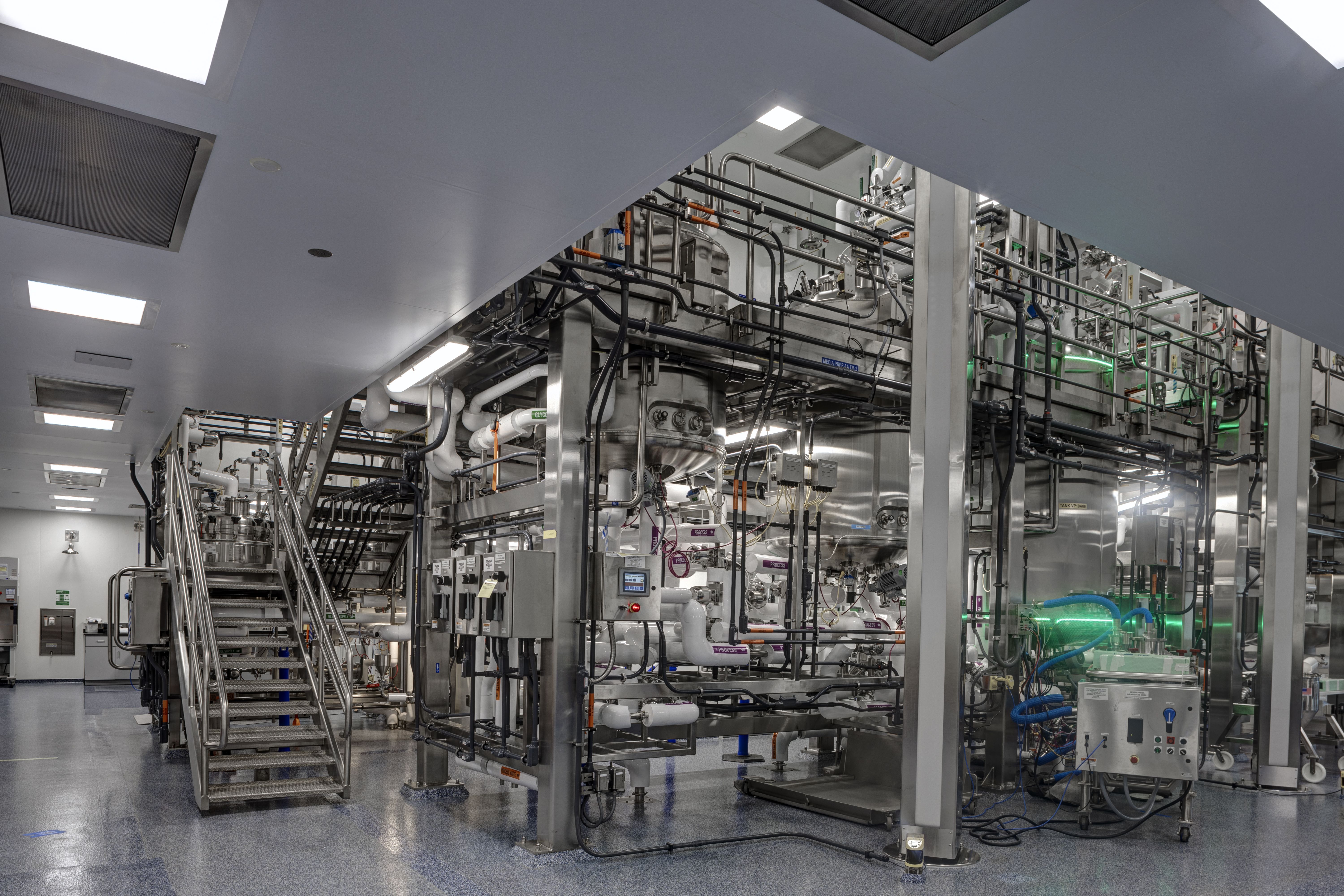
Fujifilm Biotechnologies' $3.2 billion biotechnology plant in Holly Springs was planned long before the Trump administration's push to reshore pharmaceutical manufacturing.
- Executives recognize their facility was well-timed.
Why it matters: Pharmaceutical tariffs are still being finalized for many countries, and the uncertainty has drug companies with manufacturing capacity in the U.S. well-positioned. North Carolina's research prowess and decades of life science investment in the Triangle give the region an edge.
- "The talent is probably the number one reason" for picking Holly Springs, Fujifilm chairman Toshihisa Iida told reporters.
What they're saying: CEO Lars Petersen sat down with Axios ahead of the plant's ribbon-cutting Wednesday.
- He says, given that the U.S. pharmaceutical market is the largest in the world, drug companies today prefer to "see if there's available capacity in the U.S. before Europe."
- The company, a subsidiary of Japanese conglomerate Fujifilm, has already brought on nearly 700 employees, and while they'll be watching shifting immigration policy, he says it's "not been an issue so far" given the depth of experience in the Triangle. He says 80% of hires have been local.
Zoom in: The facility here — which will manufacture complex biologic treatments for cancer, Alzheimer's and more — is a near replica of Fujifilm's plant in Denmark. Regeneron and Johnson & Johnson are its first major customers.
- That makes it simpler to adjust when "covid challenges, other supply chain challenges, tariff challenges" produce uncertainty, Petersen says.
- "You know that what is manufactured in one plant is actually of the same exact quality as the other one. Otherwise, you need to go through all kinds of tests to prove to authorities that nothing has changed," he continued.
Context: Joshua Barrett, a researcher who focuses on the business of health at UNC-Chapel Hill, notes that "on Fujifilm and other firms expanding U.S. manufacturing, many of these investments predate the latest tariff and trade policy shifts."
- Determining tariffs on pharmaceuticals is often complicated by production that "involves multiple countries and processes," Barrett says. Origin is determined by where "substantial transformation" of an active ingredient occurs, the Brookings Institution explains.
Follow the money: Fujifilm will receive over $72 million in state and local incentives if it meets its hiring goals, the North Carolina Biotechnology Center reports.
- This is the largest single economic investment in Wake County history, county chair Susan Evans says. It's also Fujifilm's largest-ever investment in North America.
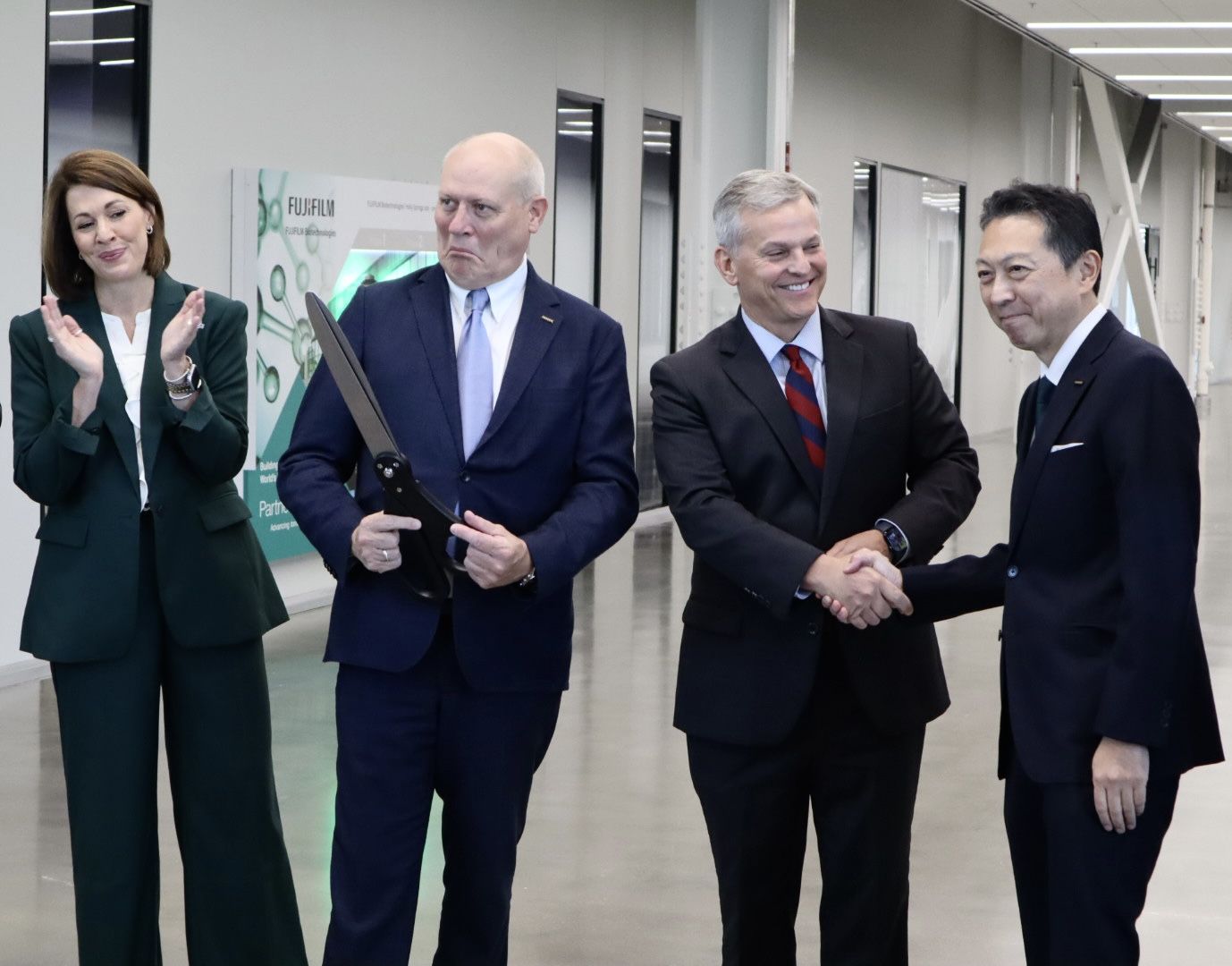
State of play: The ribbon-cutting was attended by the governor and representatives from the Japanese and Danish embassies, plus a long list of state and local officials.
- Gov. Josh Stein rattled off a list of figures and noted that "every one of those numbers started with a 'B.' We're talking big numbers." The biggest: $4.7 billion, the amount by which the plant is projected to grow North Carolina's economy.
- Stein says the state is "blessed" and has a "bright future" in life sciences. Commerce secretary Lee Lilley says we're "truly a hub for innovation and highly skilled talent."
Fun fact: Iida, who has been with the Fujifilm corporation for three decades, actually moved to Morrisville two years ago.
- His favorite local restaurant is M Sushi.
What's next: The company plans to hire 1,400 people by 2031, when the next phases of construction wrap up.