State lawmakers could block Capital Boulevard's conversion into a toll road

Add Axios as your preferred source to
see more of our stories on Google.
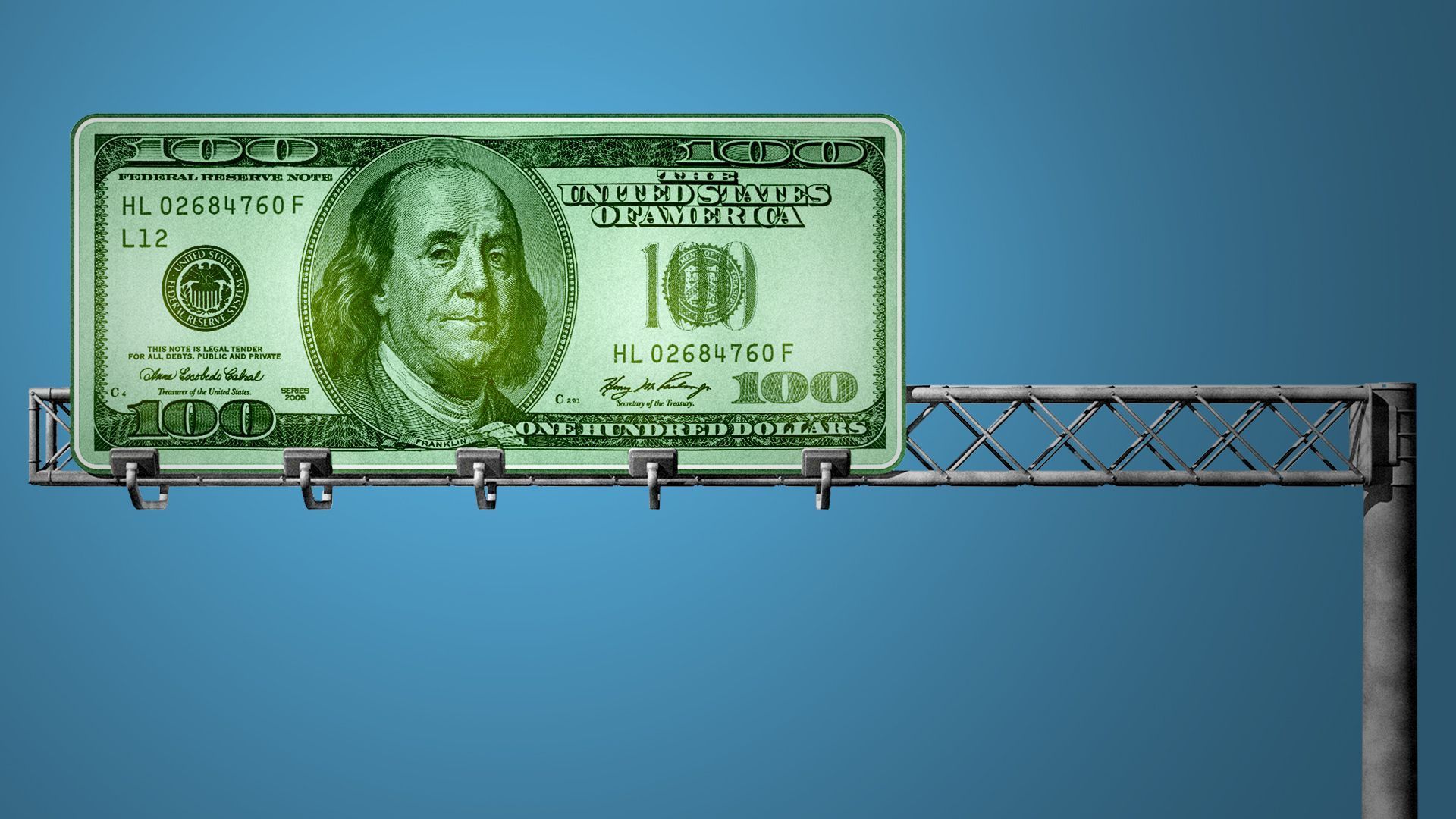
Illustration: Aïda Amer/Axios
State lawmakers could block the potential transformation of Capital Boulevard into a toll road under the N.C. House's proposed state budget.
Why it matters: Local officials in Raleigh and Wake County have begrudgingly turned toward tolls as a way to pay for an expansion of a 10-mile section of Capital Boulevard between Raleigh and Wake Forest, one of the region's most gridlocked roads.
State of play: That section of Capital Boulevard, also known as U.S. 1, has long been earmarked for expansion.
- But the project has been delayed several times and is likely to face further delays due to competition for funds.
- Currently, construction is slated to start in 2031, though the expectation is that timeline will be pushed back. Under the toll road option, though, construction would begin in 2027.
- That has led local leaders to turn to toll roads to speed up construction, with the Capital Area Metropolitan Planning Organization (CAMPO) voting this week to recommend turning the section into a toll road.
Driving the news: However, state Rep. Mike Schietzelt, a Republican who represents part of northern Wake County, introduced an amendment into the House's budget this week that would block state funds being used to turn U.S. 1 into a toll road.
What they're saying: Schietzelt said congestion on Capital Boulevard is one of the biggest concerns among voters in his district, but he believes a toll would place too much of a burden on his constituents.
- "It is patently unjust to take a 110-year-old road and suddenly slap a toll on it," he told Axios, "when people have built businesses and homes along Capital Boulevard, they rely on Capital Boulevard, and now we're pulling the rug out from under them."
- He said he's been clear with local leaders for months that he might be able to support implementing some optional toll lanes on the road, but not the decision to toll every lane.
Zoom out: The General Assembly has a long history of reversing decisions made at a local level, like stopping cities from instituting plastic bag bans, setting minimum wages, or adding affordable housing mandates.
What's next: It's unclear if Schietzelt's amendment will make it to the final budget.
- The House and the Senate will have to negotiate a final budget bill between the two chambers in the coming weeks or months. And, ultimately, Gov. Josh Stein will have to sign the budget into law.
The big picture: Without a toll road, Schietzelt said it will be up to state leaders like himself to find the funds to expand Capital Boulevard and other infrastructure.
- He said he would advocate for asking for federal assistance and would consider using state bonds to fund construction.
- But he also noted that the General Assembly needs to come up with longer-term solutions to replace the state's gas tax as electric vehicles make up a larger portion of cars.
- "I'm willing to consider a bond here, because I think the [return on investment] would be tremendous," he said. "But we've got to do something long-term on this infrastructure finance piece, because I think every state in the union is struggling with that as we've shifted to more electric vehicles."