Bubba Cunningham guides UNC to cusp of big changes in college athletics

Add Axios as your preferred source to
see more of our stories on Google.
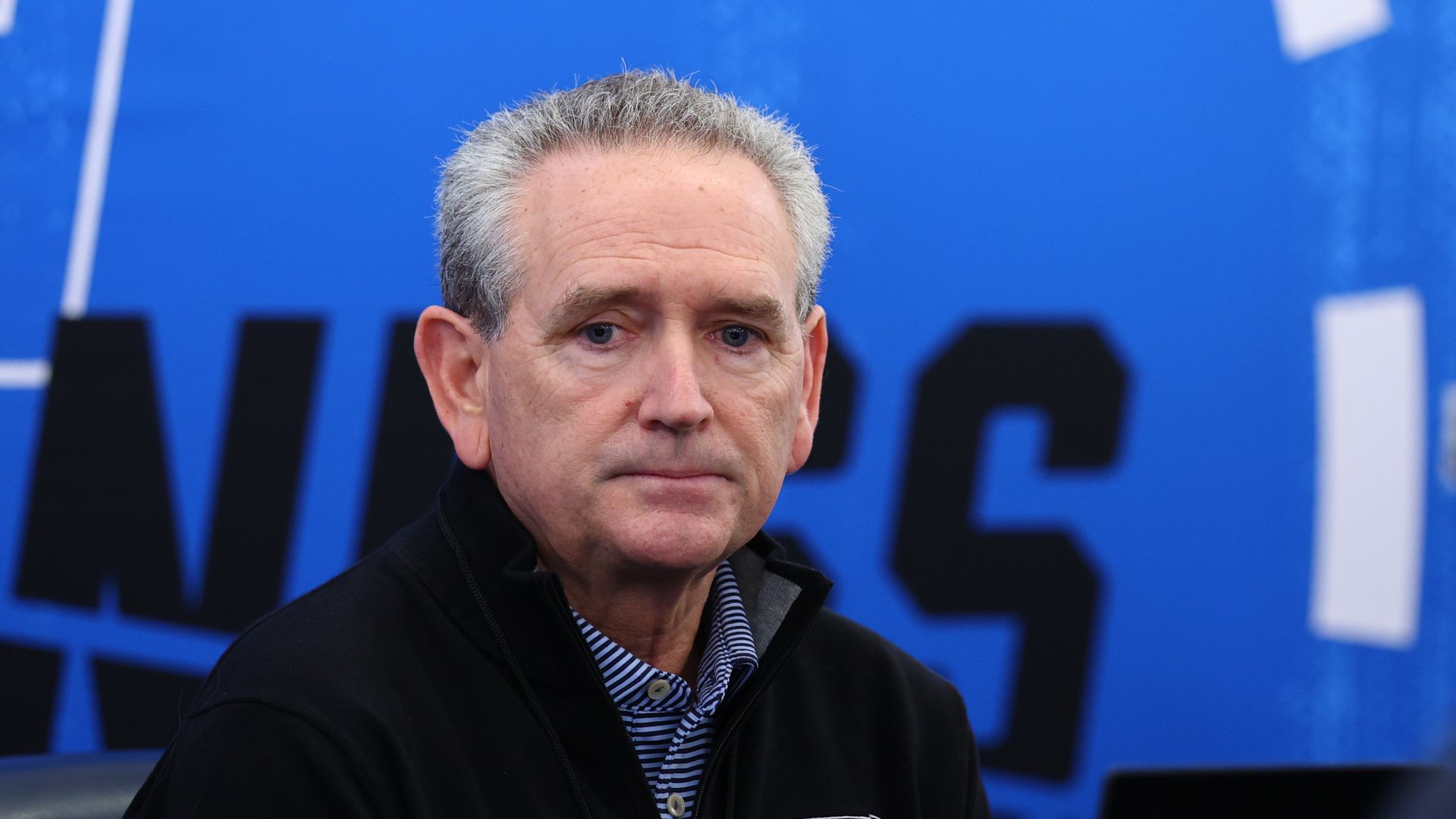
UNC athletic director Bubba Cunningham. Photo: Jamie Schwaberow/NCAA Photos via Getty Images
A historic legal settlement potentially handed down this month could change college sports forever — notably giving colleges the go-ahead to share revenues with players for the first time.
Why it matters: If the settlement is approved, each school will be allowed to share up to $20.5 million of its revenue with players — a number that a school like East Carolina may not hit but UNC-Chapel Hill is expected to if it wants to remain competitive in football.
- That's creating hosts of new financial pressures for athletic departments, the athletic directors of UNC, Wake Forest and ECU said at a conference held Friday by Business North Carolina magazine.
Catch up quick: The House v. NCAA legal case is an antitrust case brought by former players against the NCAA, challenging rules that kept athletes from being compensated.
- The goal of the rule would be to set a framework for how schools would regulate compensation moving forward.
Between the lines: At UNC — which is betting big on legendary coach Bill Belichick to take its football team to new heights — preparations for the House settlement have so far required the university to provide $21.4 million in "institutional support."
What they're saying: UNC athletic director Bubba Cunningham told Axios on Friday he expects the school will need to continue that support if it wants to keep its 28 varsity sports — which is more varsity sports than most other universities have.
- "I don't think we can generate $20 million more and do [revenue] share and support 28 teams," Cunningham said. "I think we are going to continue to need institutional support" to maintain many of the programs that aren't profitable.
John Currie, the athletic director of Wake Forest, said his school will also need to lean on institutional support.
- "Wake Forest is all in on athletics as a core part of our tenet," he said.
Zoom in: Cunningham, who declined to comment on speculation that he might be considered for a job at Michigan State, said UNC will have to be less conservative on generating revenue from sports.
- He said it would be great if the state passed rules that share gambling revenue with UNC and N.C. State.
- But UNC is also seeking other ways to pay for nonrevenue sports, including by endowing sports programs through donations or producing exclusive content to sell to fans.
By the numbers: One place the Belichick bet is already paying off, however, is with season tickets for the football team.
- Cunningham said the school has sold out its 20,000 season tickets — a feat it didn't accomplish last year.
- It did that while raising season ticket prices by 25% on average, a raise that Cunningham said the school got no pushback on.
- He noted that with more primetime games, UNC's revenue share with the Atlantic Coast Conference will likely increase along with the value of its sponsorship deals.
What's next: Cunningham said the House settlement, which would set rules around revenue sharing and roster spots, could be finalized this week.
- Schools are going to start spending the money regardless, so he's hoping there are no more delays.
- "The sooner we start [under the settlement], the better," he said.