Immigration arrests in Durham raise concerns


Add Axios as your preferred source to
see more of our stories on Google.
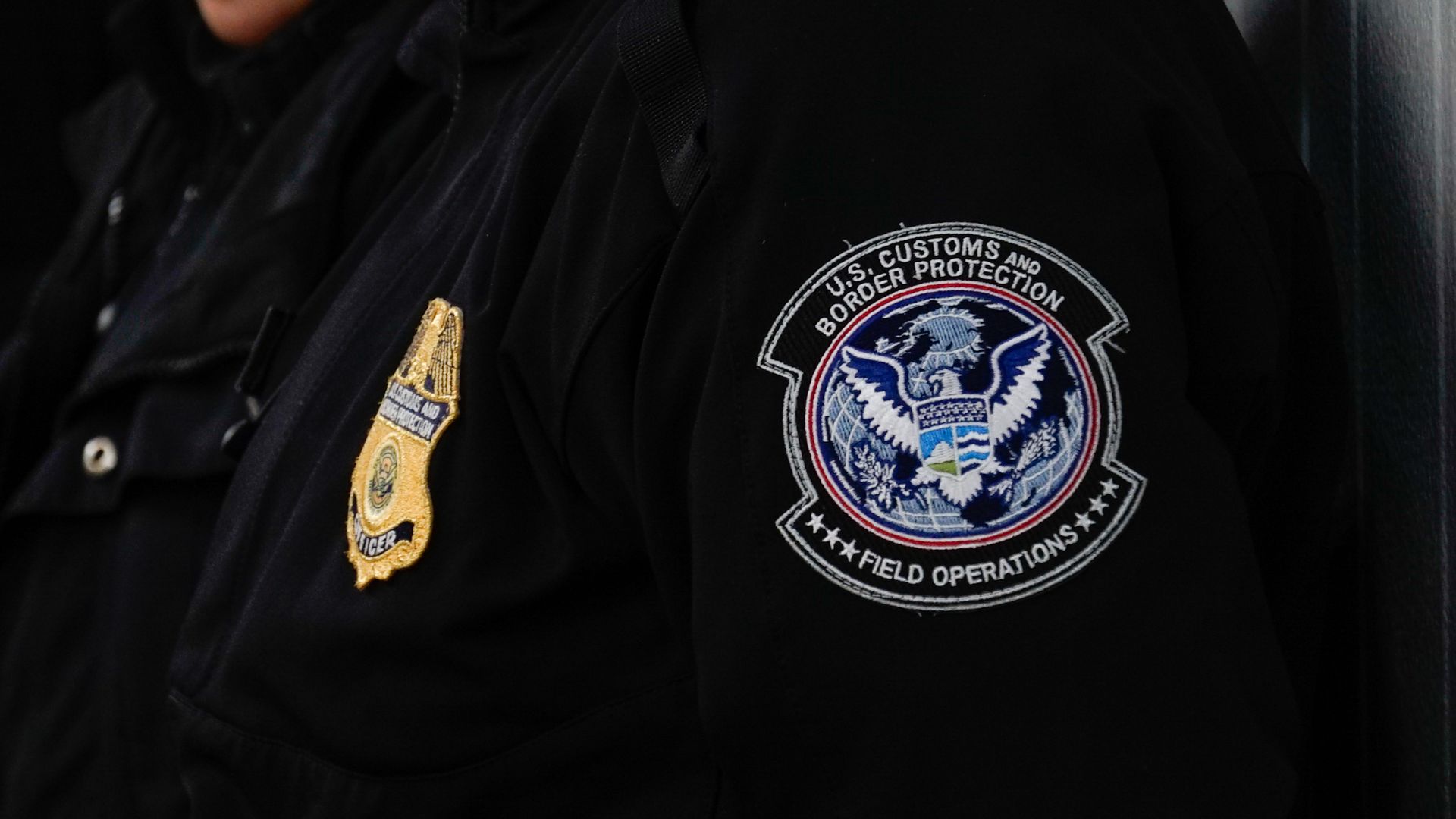
Arrests of undocumented immigrants by members of the U.S. Customs and Border Protection in Durham last week raised concerns from neighbors and advocates, who showed in videos and said in statements that the agents were masked and not identifying themselves.
Why it matters: President Trump has pledged to significantly increase the number of deportations of people who are not authorized to be in the U.S. — though the plans have hit logistical hurdles due to a lack of funds and infrastructure to handle such a large increase.
- Still, U.S. Immigration and Customs Enforcement are arresting up to 1,100 people a day — including 11 people from Venezuela in Raleigh on Feb. 8, one of whom was a suspect in a shooting in Chicago.
Driving the news: The arrests in Durham detained three men from India living in the Northgate Park neighborhood, Siembra NC, an immigrant rights group, shared with Axios.
- Several neighbors said in a press conference held by Siembra that the scene made them feel less safe because the agents wore tactical gear, had guns and were not identifying themselves.
- CBP confirmed the arrests but didn't share many details. "U.S. Customs and Border Protection officers conducted a targeted enforcement operation in the Durham, NC, area today, resulting in the detention of several individuals identified as illegal aliens," the agency said in a statement.
Here's what to know about when Immigration and Customs Enforcement raids can happen, Axios' Sareen Hebeshian writes.
- ICE can enter into private dwellings by presenting an arrest warrant or search warrant with a judge's signature.
- ICE can enter if they receive consent, which can be obtained through trickery but not coercion, according to Andres Guerra, an immigration attorney with the Coalition for Human Immigrant Rights.
- ICE can enter if they hear or detect an emergency happening inside the premises.
- Administrative warrants, which are issued by ICE officers, do not give ICE authority to enter a private home.
- In public spaces, agents can use arrest warrants or a deportation order signed by a judge — but individuals have no obligation to identify themselves.
Go deeper: Here's how schools in the Triangle are handling potential ICE requests