A Duke doctor works with N.C. State to make more accessible fashion for ALS patients

Add Axios as your preferred source to
see more of our stories on Google.
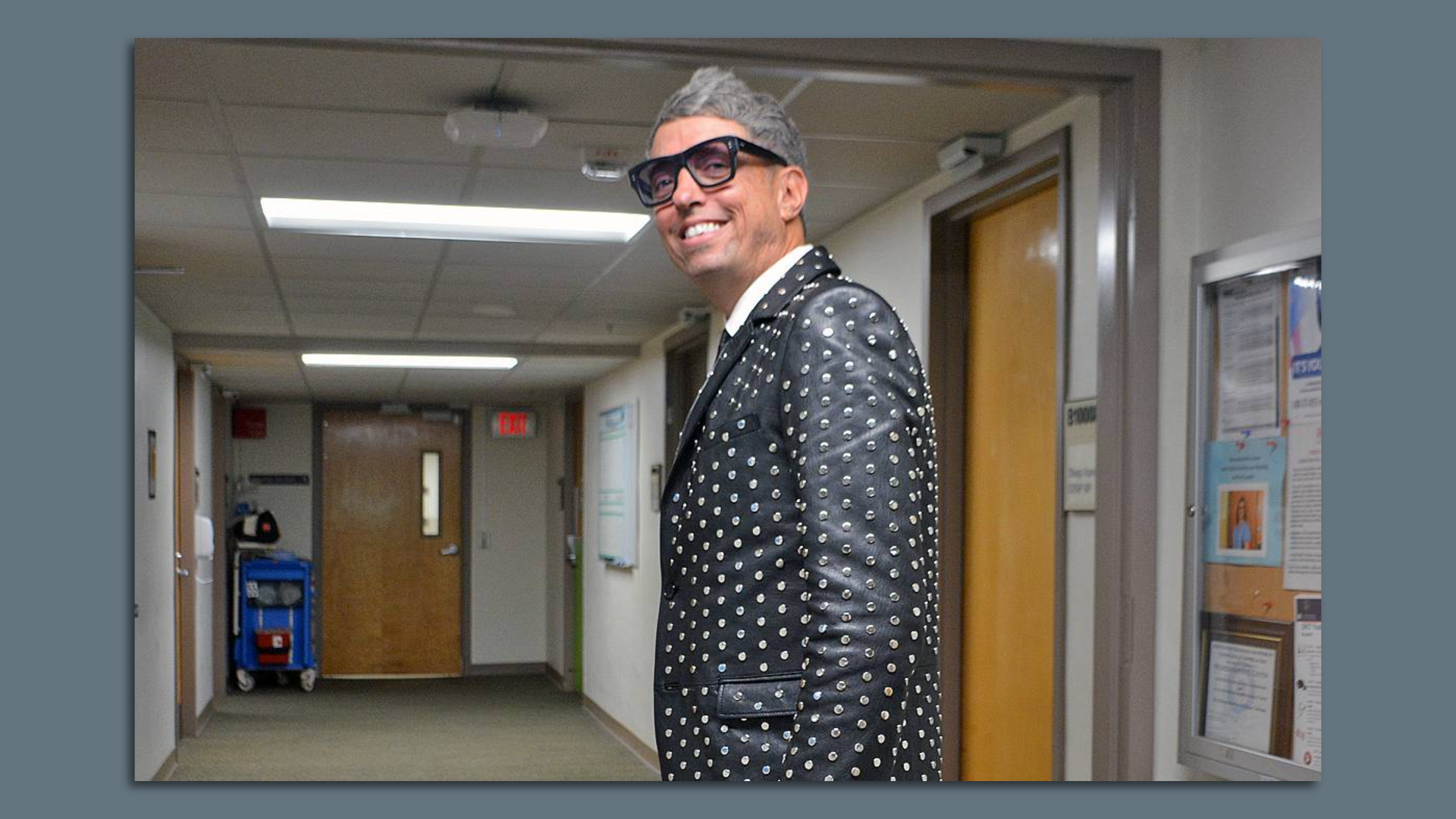
Dr. Richard Bedlack wears a studded leather jacket. Photo: Courtesy of Duke Health
Richard Bedlack, the founder of Duke University's ALS Clinic, is widely known for two things: his unending quest to cure ALS and being one of the most fashionable doctors in the world, rocking colorful designer suits one day and studded leather jackets the next.
- His latest endeavor combines those passions at N.C. State, where he is partnering with design students to make fashionable clothing more accessible for people with disabilities like ALS.
Why it matters: Being able to retain the things you love while you are stricken by an awful disease is an incredibly important part of treatment, Bedlack said of helping create the class.
- Fashion can provide a sense of hope even in grim situations with no cures, he said, when many patients worry they won't be able to express themselves like they could before their diagnosis.
What they're saying: "A lot of people don't understand the power of fashion, Bedlack told Axios. "People think it's for vanity or to get more followers, but for some of us, it's a really important component of who we are" and can provide hope.
- "Hope is so much more than an emotion," Bedlack added. "It's so much more than a coping strategy. I actually think hope is a treatment, and I think a lot of doctors don't get that. It's not taught to us in medical school how to be a good hope-giver."
Driving the news: For the past few months, Bedlack and some of his patients have been working with design students at N.C. State on a project to design fashionable clothes that are also accessible to those with disabilities like ALS.
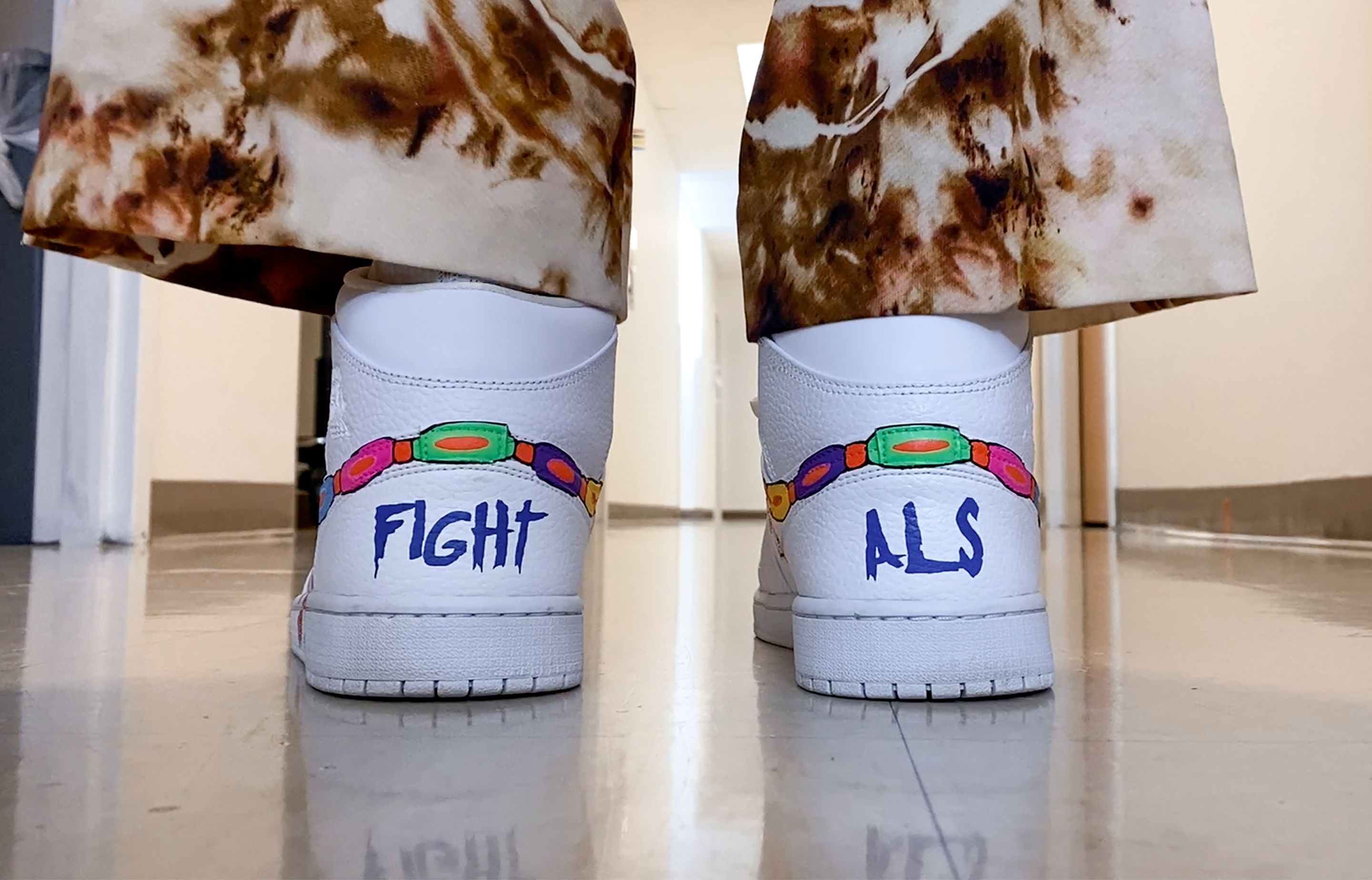
State of play: For many with disabilities, typical clothing details can be challenging. Buttons, hooks or zippers can become impossible to use with limited muscle control and using medical equipment like a feeding tube can become onerous.
- But tweaking designs to use velcro or magnets instead can make huge differences for those with disabilities.
- Patients recommended to students during the class that they wanted to see more designs include pants without bottom seams, open-back dresses or materials with lots of stretch to improve their day-to-day experiences.
Sam Pearce, an assistant professor of the practice at N.C. State's textiles school and leader of the class, said there's a huge gap in the clothing market for accessible clothes.
- Few, if any, designers cater to making clothes for those with disabilities, and many of the ones who do focus on elderly people, she added, and many patients told her class that they were disappointed with the existing offerings.
Zoom in: Brooke Eby, who has attracted a large social media following for documenting her life with ALS, helped consult with students in the class.
- "I think the adaptive fashion space historically has been catered to an older generation but now there are so many young people living with disabilities that want to look just as cute as their peers," she told Axios through email.
- She believes the class was important in showing that making fashion more adaptable wasn't necessarily harder or requiring more effort than traditional fashion.
What's next: Bedlack says that he plans to continue to work with the fashion class in the next semester after finding success in its first iteration.
- Pearce said she hopes that fashion design classes at N.C. State will start to prioritize accessibility in all of its classes going forward and continue to normalize it.
- "It's not something that has to stick out," she said. "It can be something that blends in with the normal fashion of today, and even if you weren't disabled you could still wear it and enjoy it."