A Triangle biotech company is suing the FDA over its decision to delay lead drug

Add Axios as your preferred source to
see more of our stories on Google.
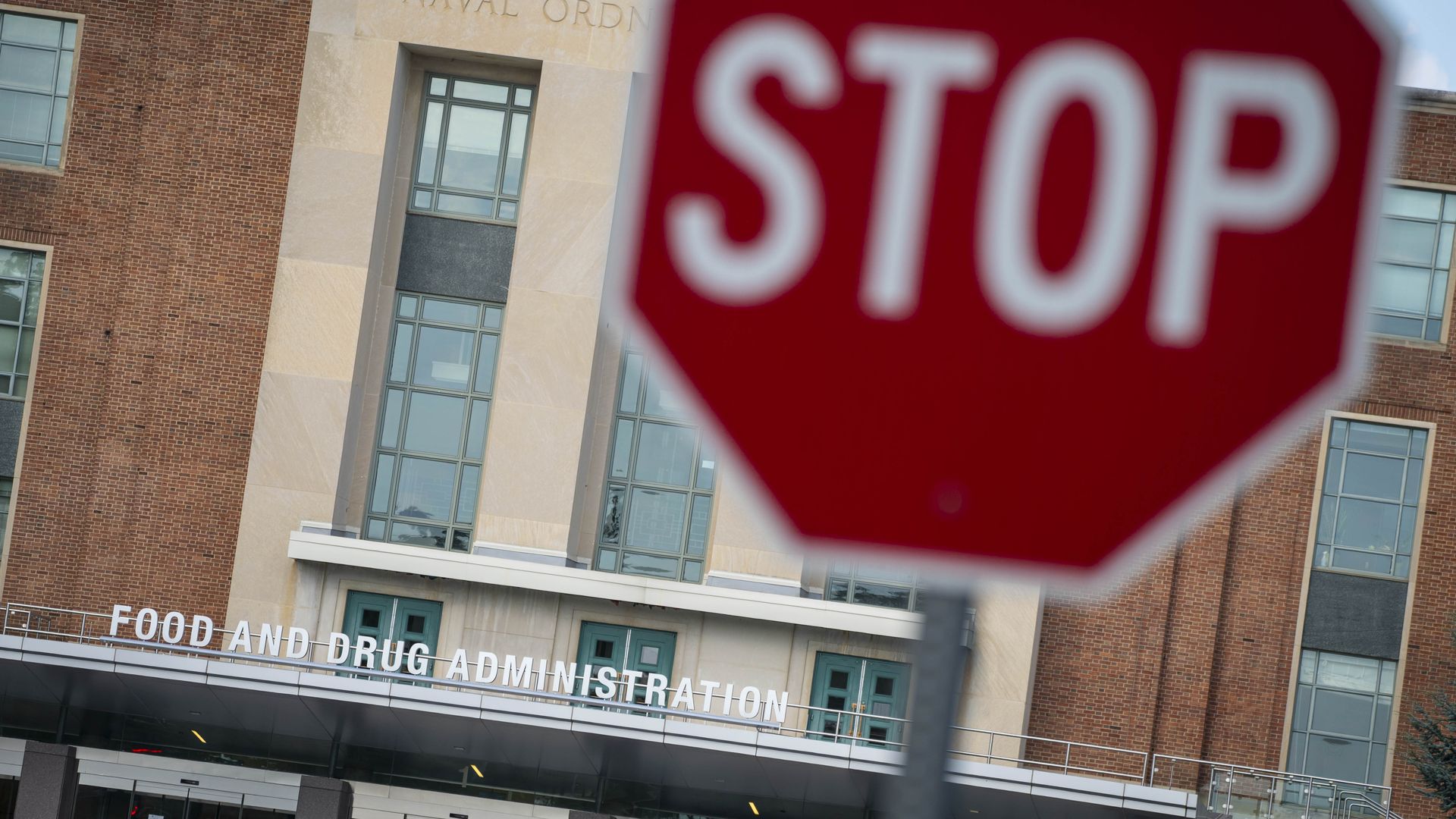
The exterior of the U.S. Food and Drug Administration headquarters. Photo: Sarah Silbiger/Getty Images
Liquidia, a Morrisville biotechnology company with scientific roots at UNC-Chapel Hill, sued the U.S. Food and Drug Administration this week, saying the federal agency improperly delayed the approval of its lead drug.
Why it matters: For years, Liquidia has worked toward getting full approval for its drug Yutrepia, an inhaled powder that treats patients with pulmonary arterial hypertension and pulmonary hypertension associated with interstitial lung disease (PH-ILD). The FDA's delay could impact the company's ability to grow locally and hurt its stock price.
Driving the news: Earlier this month, the FDA granted tentative approval for Liquidia's drug rather than full approval, citing existing three-year exclusivity rights for rival United Therapeutics' drug Tyvaso.
- The ruling effectively gives United Therapeutics, which has a large presence in Durham, more time to exclusively market its treatment for lung diseases, while Liquidia was told not to expect full approval until May 2025.
Context: United Therapeutics, which declined to comment, is making hundreds of millions of dollars from its Tyvaso franchise of drugs, according to its earnings reports.
- Earlier this year, United also sued the FDA over the potential approval of Liquidia's drug, and United previously accused Liquidia of patent infringement.
- Liquidia, however, did receive favorable rulings in the dispute in court, paving the way for it to apply for final approval earlier this year, the Triangle Business Journal reported.
What they're saying: Liquidia, founded on the nanoparticle technology discoveries of UNC scientist Joseph DeSimone, said it was blindsided by the FDA's decision. At no time during the regulatory process was it discussed as a potential ruling, the company said.
- "To not ever have been told by the FDA ... that this data exclusivity would inhibit the ability for them to finally approve our product, we think is an injustice," Jason Adair, chief business officer for Liquidia, told Axios. "We don't think that it is legally right, and we've made that argument in the litigation that we filed this week."
Zoom in: The holdup has a financial impact on Liquidia.
- The company had hired a sales force in anticipation of full approval, and now carries the cost of those employees while it can't sell the product, Adair said. Liquidia currently has 160 employees, up from 144 last year.
- The FDA's decision has put the company in a position to figure out how to finance the company until it gets full approval, he added.
- The FDA declined to comment.
At the same time, Adair said, UNC-Chapel Hill will not receive any royalties from sales of the company's drug, he added, and is preventing it from investing more into the company's technology.
- Yutrepia "would generate significant revenue that would allow us to grow the company, build more lines, grow more jobs and investigate more drugs," he said. "So I think that it's very critical to the company."
Editor's note: This story has been corrected to show that Liquidia was told not to expect full approval until May (not March).