Greater Phoenix's pipeline fuels the future of chipmaking

A message from: GPEC
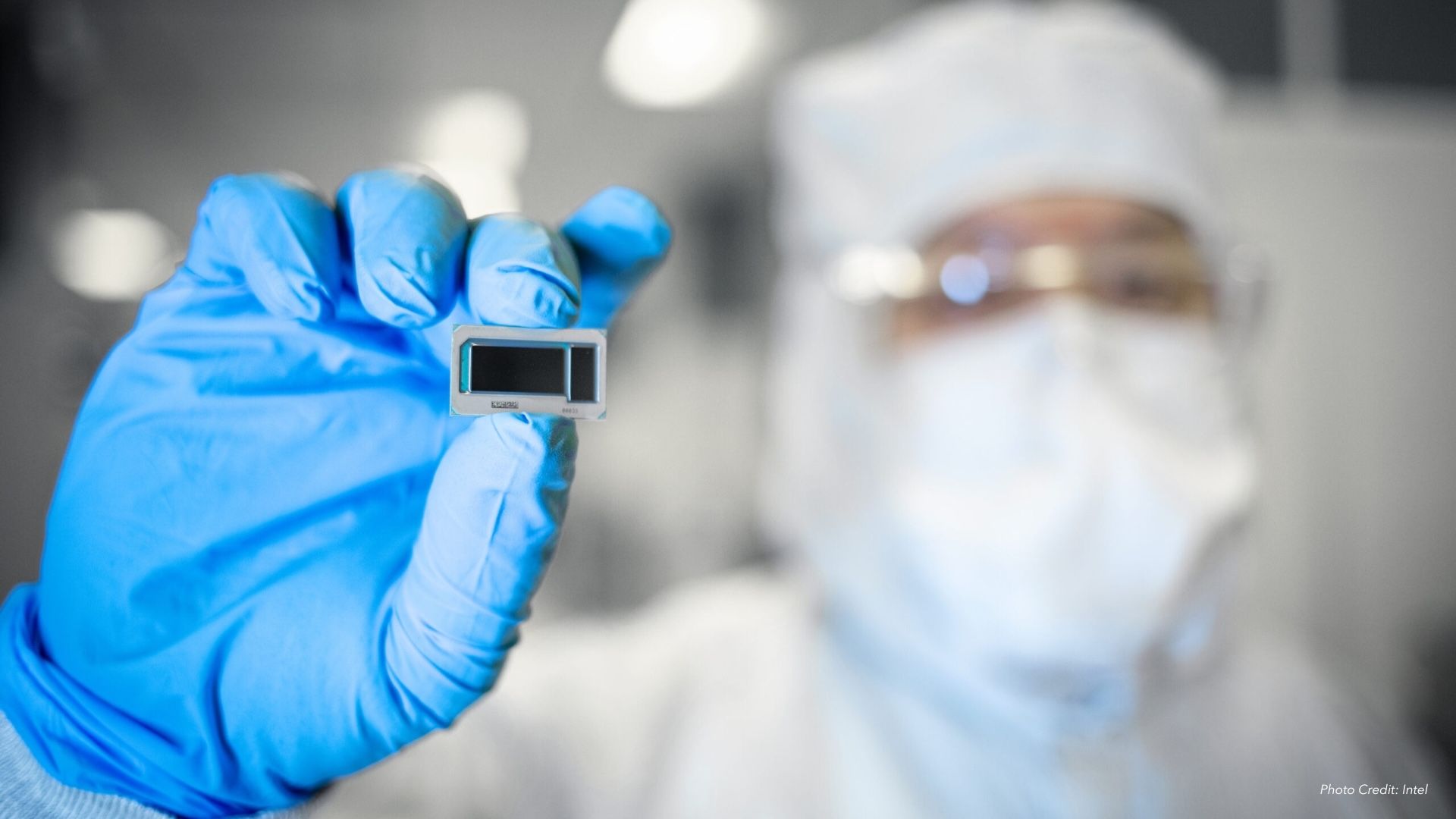
For the first time in its 50-year history, SEMICON West — North America's flagship microelectronics conference — is moving inland.
- It's relocating its marquee event to Greater Phoenix, biennially, with dates in 2025, 2027 and 2029 confirmed, signalling a decisive shift in where the industry's future is being built.
Why it's important: U.S. chip manufacturing has eroded over the last three decades, sinking from 37% of global share in 1990 to just 10% today, even as the country accounts for over half of global demand.
- Federal investments like the CHIPS Act are designed to reverse that decline, but the policy backbone only works if regions have the infrastructure, workforce and partnerships to match — and Greater Phoenix has all three.
The background: Motorola kicked off the region's microelectronics boom in 1949 when it opened a Phoenix R&D facility, anchoring a legacy that today's fabs are building upon.
Today, Greater Phoenix's case is backed by scale, investment and advanced production.
- Since 2020, the Valley has drawn more than $100 billion in semiconductor investment — the most of any U.S. metro.
- It leads the nation in end-to-end supply chain development and ranks #4 in semiconductor workforce size, with 33,000 industry jobs.
- TSMC's only U.S. fab site, located in North Phoenix, now produces 4nm chips and is building towards 3nm and 2nm; announced customers for its Arizona-made chips include AMD, Apple and NVIDIA.
- Intel is ramping up its Fab 52 and 62 projects in Chandler, including a leading 1.8nm facility.
Plus, plus, plus: Research and development leadership is a big part of this equation — and Greater Phoenix has that in spades.
- Greater Phoenix ranks #3 nationally for the CHIPS R&D Program awards and is expected to rise to #1 with the launch of a multi-billion-dollar Chips for America R&D Flagship Facility at Arizona State University's Research Park, led by Natcast.
Here's what else: Greater Phoenix has built one of the deepest and fastest-growing semiconductor workforce pipelines in the country.
- Arizona universities graduate 1,800 students annually in semiconductor-related fields, with 38,000 currently enrolled in engineering programs.
- MCCCD's 10-day Semiconductor Technician Quick Start Program prepares students for immediate entry into advanced manufacturing careers.
- The Arizona Advanced Manufacturing Institute delivers stackable credentials, flexible training models and even portable labs to support on-site workforce development.
- Together, these programs feed a workforce that already numbers 33,000 semiconductor jobs — the fourth-largest in the nation.
What this means: Workforce readiness is tightly aligned with Greater Phoenix's local industry growth.
Greater Phoenix has created a vertically integrated ecosystem of R&D, workforce training, supply chain resilience and advanced production.
- By building in advantages, like the fastest customs clearance in the U.S., proximity to Mexico's nearshoring boom and bipartisan leadership on CHIPS policy, Greater Phoenix has carved out a durable global position for itself.
In other words: SEMICON West's move highlights a broader realignment.
- The balance of power in chipmaking is shifting from legacy coastal hubs to regions where land, talent and policy combine to scale.
What experts are saying: "The shift of SEMICON West to Greater Phoenix is a clear indicator that the world is turning its focus to our region's ecosystem," says Greater Phoenix Economic Council (GPEC) Interim CEO Thomas Maynard. "We're looking forward to visitors having the chance to explore the market and the opportunities it offers this October."
The takeaway: For companies seeking to future-proof supply chains, secure access to top engineering talent and plug into advanced production networks, Greater Phoenix has become the place to do it.