Experts warn of burn risk with children's squishy toys

Add Axios as your preferred source to
see more of our stories on Google.
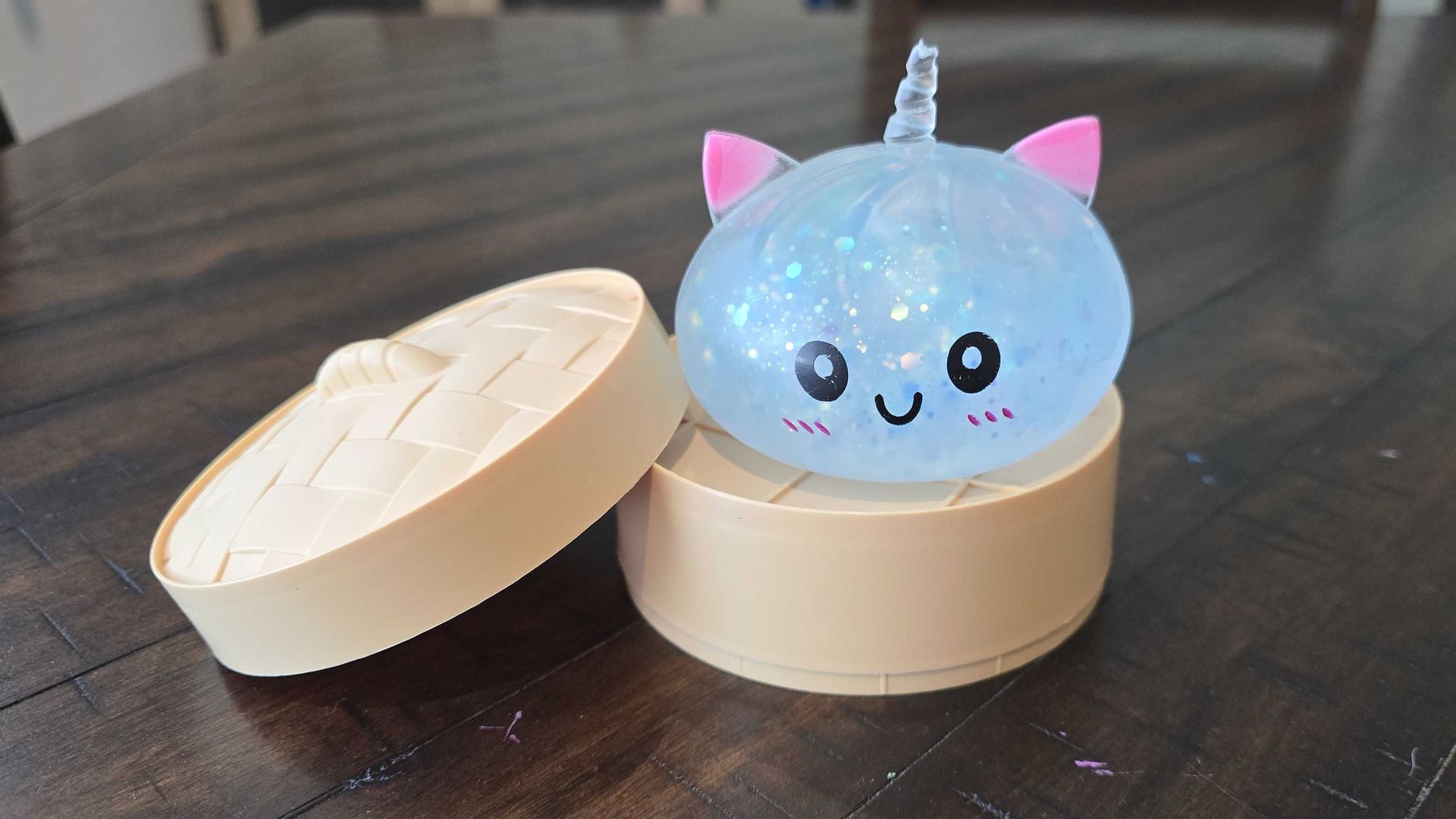
Photo: Zach Buchanan/Axios
Popular, gel-based children's toys pose potential burn risk, something to keep in mind during the Valley's brutal summers.
Threat level: Gel-filled toys like "squishy dumplings" or NeeDoh can cause thermal or chemical burns if they get too hot, including when they're left in cars during Arizona's blistering summers, Dr. Jon McGreevy, division chief of pediatric surgery at Phoenix Children's Hospital, says in a statement to Axios.
- When such toys are heated, they can explode and the thick gel can potentially stick to children's skin.
- The U.S. Consumer Product Safety Commission (CPSC) last week issued a warning against microwaving squishy toys, which it said was encouraged by a social media trend.
Officials in the United Kingdom and the Netherlands pulled squishy dumplings from shelves over unsafe levels of benzene.
- Many warnings, such as those issued by the CPSC, Consumer Reports and the BBC, focus on fake or counterfeit squishy toys.
Zoom in: The CPSC offered tips for avoiding fake or counterfeit toys.
- Buy only reputable sellers, beware of unusually low prices and avoid products that substandard packaging or printing, misspelled words or are missing age and safety information.
- Stop using any toy that is torn, punctured, leaking or sticky.
The Banner Poison and Drug Information Center has seen an uptick in calls this summer — 30 since the start of June, out of about 45 for the year — regarding squishy toys of all kinds, director Maureen Roland tells Axios.
- Higher quality toys use silicone or weaker alcohols, which have minimal risk, she says. The bigger concern is aspiration.
- She recommends checking the ingredients of your kids' toys and inspecting them periodically for tears.
- If you have questions about a toy, you can call Banner at 1-800-222-1222.
The bottom line: The most important parenting advice is to talk to your children, McGreevy says.
- "Be inquisitive and ask them open-ended questions to learn what they are seeing and doing. It is also important that you do your own surveillance of what is going on or enlist help by talking to other parents."