Loyola wins federal approval for prison education Pell Grants

Add Axios as your preferred source to
see more of our stories on Google.
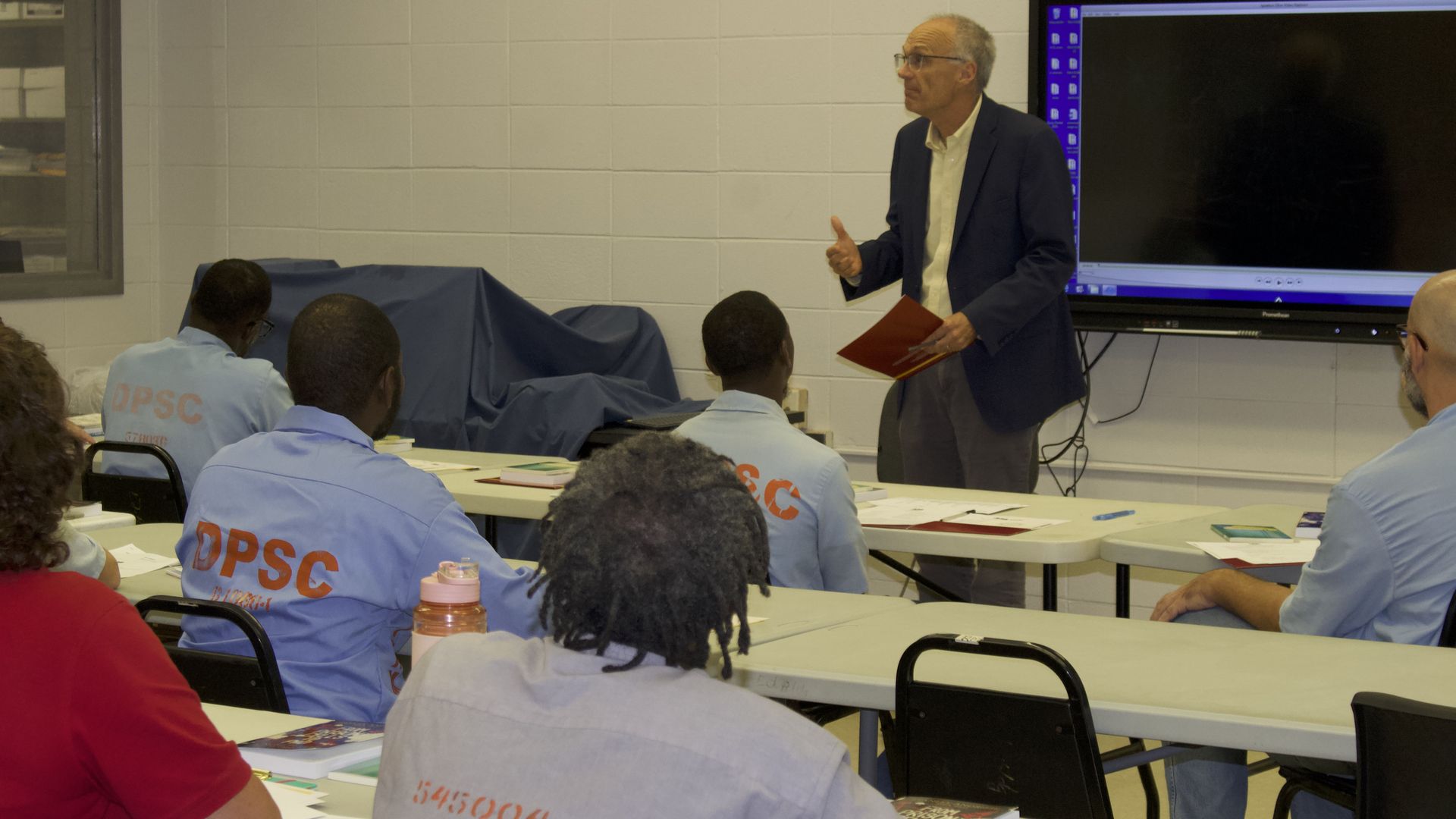
Loyola University chaplain Tom Ryan visits with incarcerated students at the B.B. Rayburn Correctional Center. Photo: Courtesy of Annie Phoenix
Loyola University recently became Louisiana's first four-year institution for incarcerated students to receive U.S. Department of Education approval.
Why it matters: Its students can now apply for Pell Grants, which do not need to be paid back, freeing up funding for program expansion for incarcerated student education, its leaders say.
The big picture: "Education reduces recidivism and increases employment prospects" once someone has finished serving time, according to the Louisiana Education in Prison Task Force in a 2024 report.
- State lawmakers created the task force the year prior as a way to chip away at factors leading to Louisiana's high incarceration rate, recognizing that accessing more Pell Grants within prison education could help "enrich community life, contribute to economic stability, and bolster public safety," the report says.
Zoom in: Most prison education programs, like those offered by the Louisiana Delta Community College, focus on career and technical skills with coursework in manufacturing, welding, forklift operation and ServSafe licensing for work in food service.
- The most widely available academic option relies on virtual coursework through the Ohio-based Ashland University, though it's capped at 50 students at each facility where it operates.
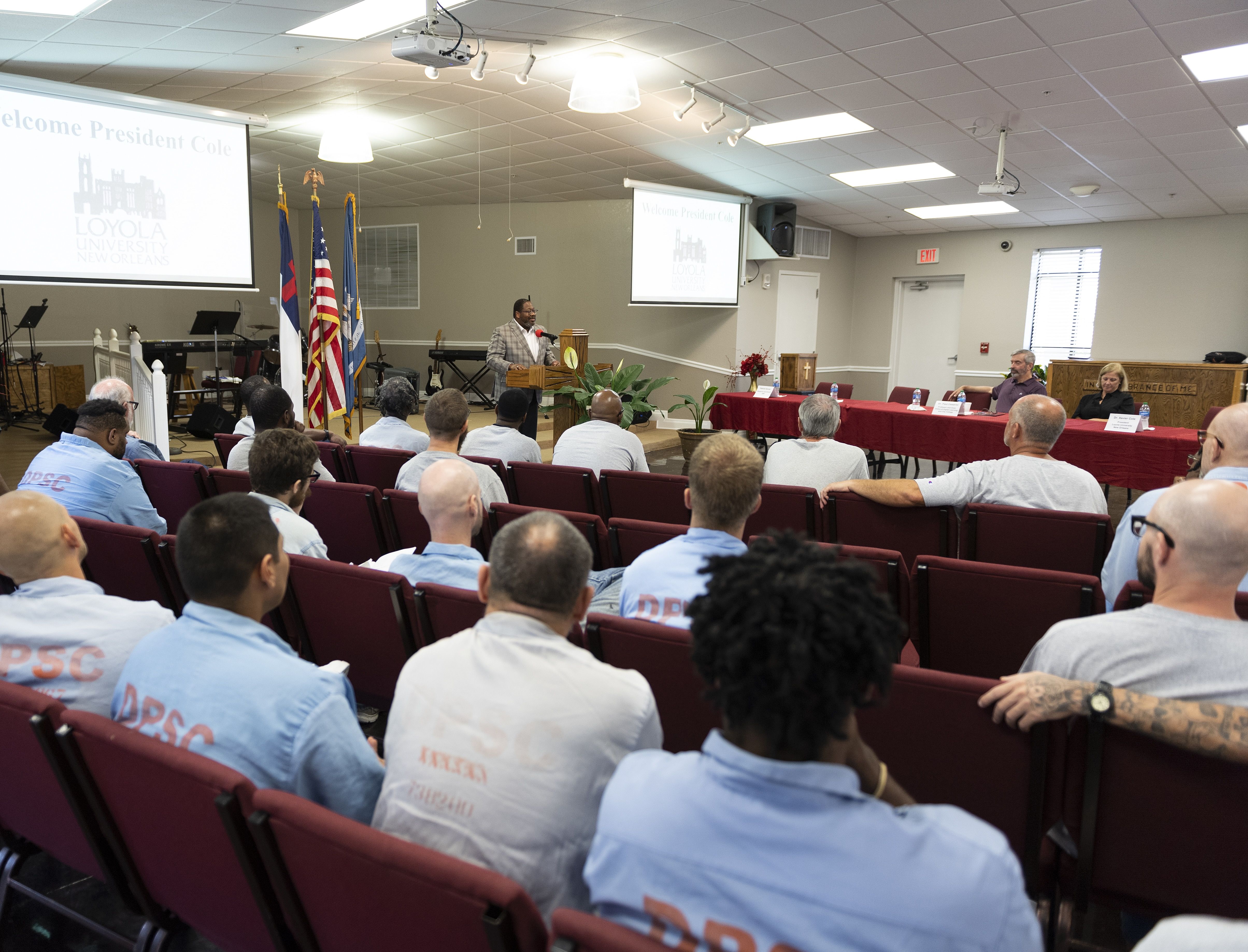
How it works: But Loyola's program, which works with 40 students at B.B. Rayburn Correctional Center in Angie, relies on in-person coursework.
- Instructors drive out to the prison for classes to teach students working toward their bachelor of applied science degree.
- The current program is maintained through fundraising efforts, according to its executive director Annie Phoenix. Approved Pell Grants for its students would expand where those dollars can go.
What they're saying: Additional funds could allow for the expansion of a student government association within the prison or event production and hosted speakers, says Stephanie Gaskill, a fellow with Loyola's Jesuit Social Research Institute prison education program.
- "Our goal is for our students to have as robust an experience of education in the prison as possible, as equivalent as we can get to what's happening on our campuses," she says.
What we're watching: Regardless of the institution, there are limited available classroom seats in each of the programs currently serving Louisiana's prisons.
- "There's a lot of room for more programs and for more people," Phoenix says. "There's a lot ... of people who could be getting an education and be successful in education who are not currently served."