Schools are "just as segregated," New Orleans civil rights icon Leona Tate says


Add Axios as your preferred source to
see more of our stories on Google.
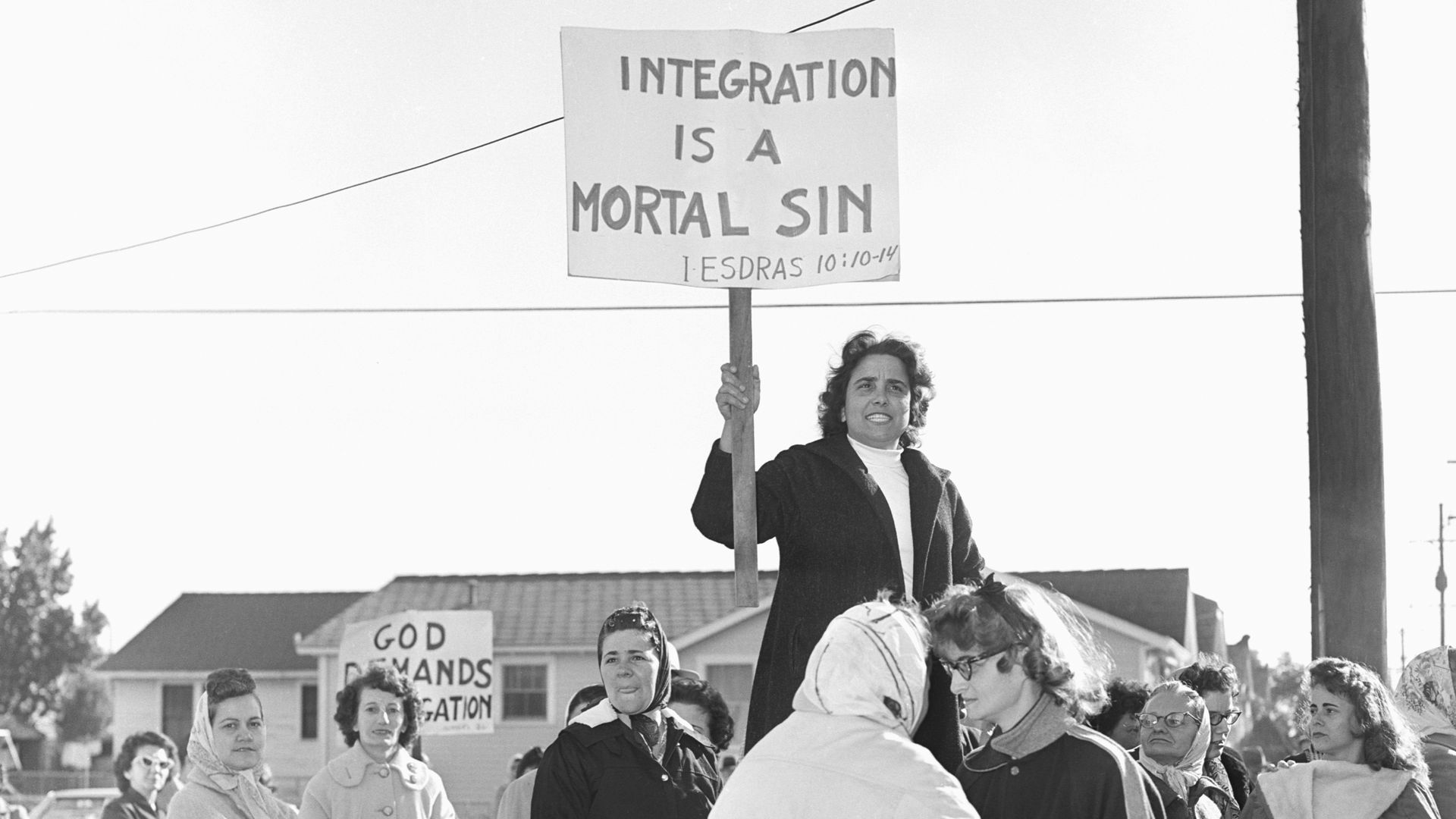
White women demonstrate in December 1960 against planned desegregation at William Franz Elementary School in New Orleans. Photo: Bettman via Getty
Public schools in America are "just as segregated as we were before," says one of the women who integrated New Orleans schools as a child.
Why it matters: As the U.S. marks the 70th anniversary of the landmark Brown v. Board of Education ruling on Friday, American public schools are growing more separate and unequal even though the country is more racially and ethnically diverse than ever.
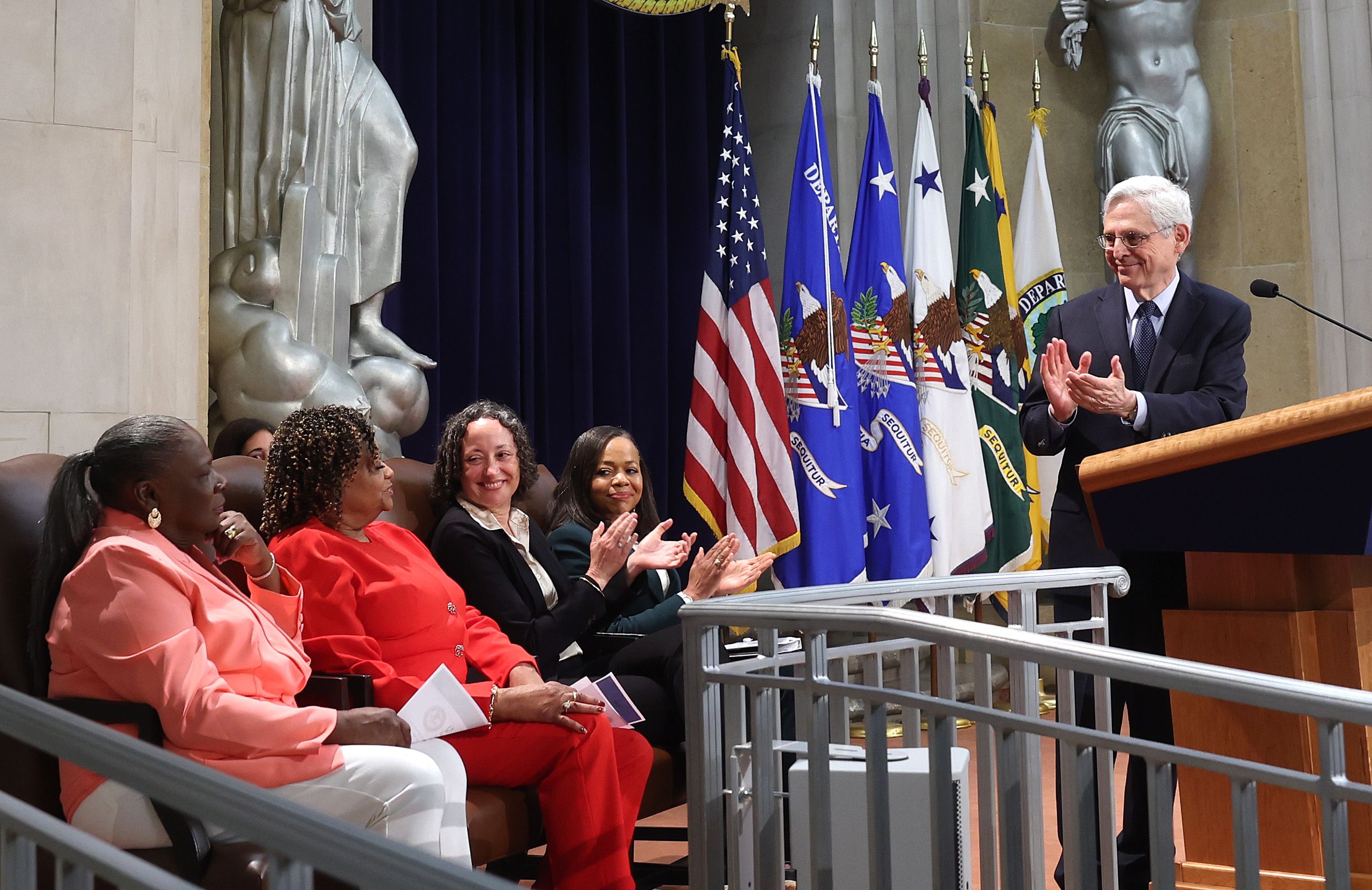
The big picture: Leona Tate, Tessie Prevost and Gail Etienne were honored this week in Washington, D.C, at the Justice Department's commemoration of the anniversary.
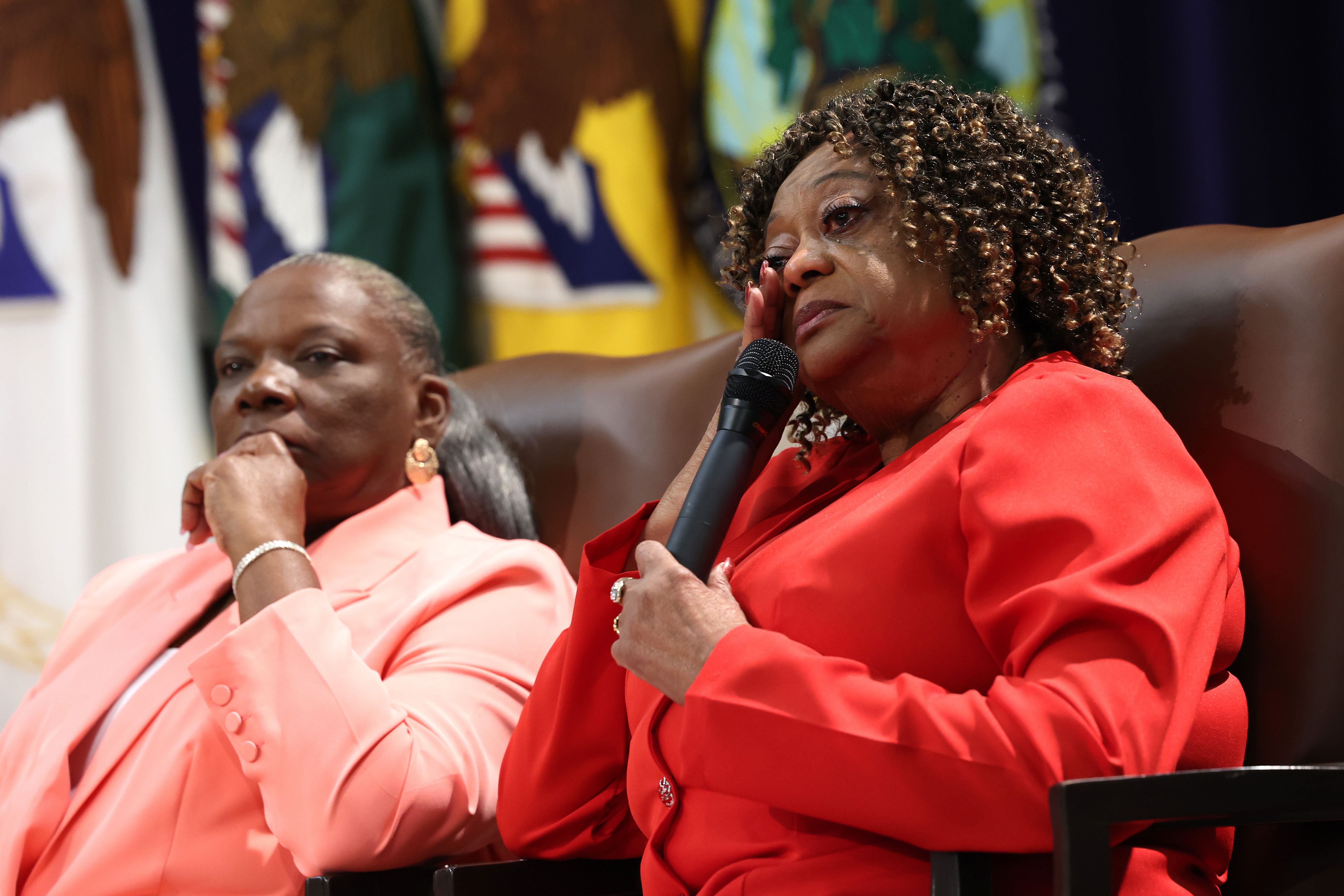
- Along with Ruby Bridges, the four young girls integrated public schools in New Orleans in 1960.
- Tate on Tuesday called for students to be given more resources, saying schools are "back to square one."
- "We're just as segregated as we were before," she said, according to Spectrum News 1.
Catch up quick: The Supreme Court ruled on May 17, 1954, that separating students in public schools on the basis of race was unconstitutional.
- It signaled the end of legalized racial segregation in schools, overruling the "separate but equal" principle from the 1896 Plessy v. Ferguson case in New Orleans.
- Schools in New Orleans weren't integrated until six years later, when armed U.S. marshals escorted the 6-year-old girls through crowds of protesters.
- They blazed a trail and "their bravery changed this country," Secretary of Education Miguel Cardona said at the DOJ event.
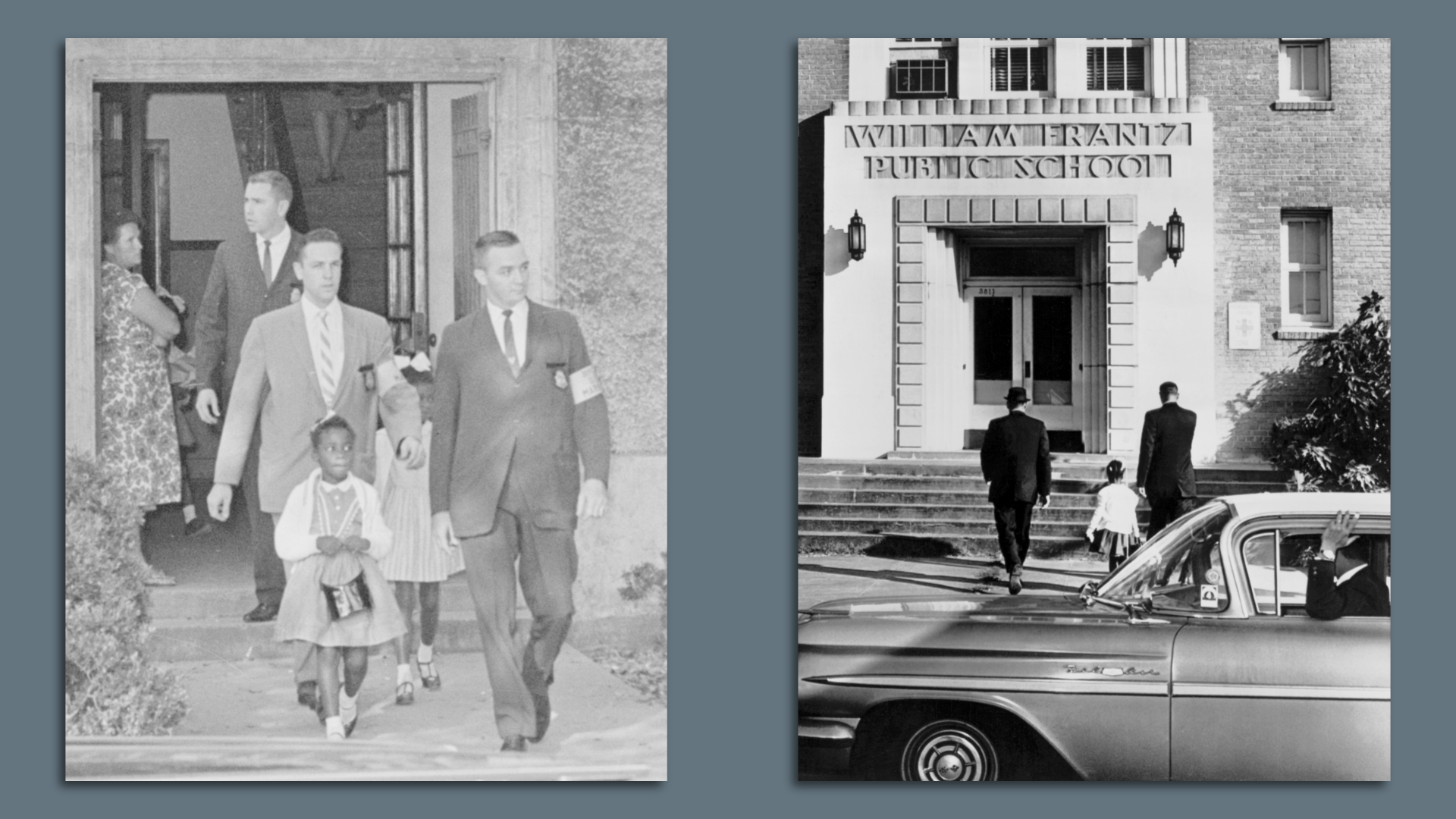
Interesting tidbit: Herschel Garner was one of the U.S. marshals who protected the girls at school.
- Two years later, he was part of the protective detail for James Meredith, who was the first Black student to enroll at Ole Miss, Attorney General Merrick Garland told the audience.
Yes, but: America has struggled to live up to the ideals set forth in the Supreme Court ruling, Cardona said in his published remarks.
- "We have a system where we have normalized underinvesting in schools that serve majority Black communities," he said, adding that "de facto school segregation has not only persisted but gotten worse over the last thirty years."
- Take a deeper dive into Louisiana's public school makeup now.
What's next: Learn more about New Orleans' school integration at the Tate, Etienne and Prevost Center, which is housed in what was once McDonogh 19, the school the girls integrated.
Go deeper: