In "Big Red's Mercy," Mark Hertsgaard examines the Mother's Day second-line shooting

Add Axios as your preferred source to
see more of our stories on Google.
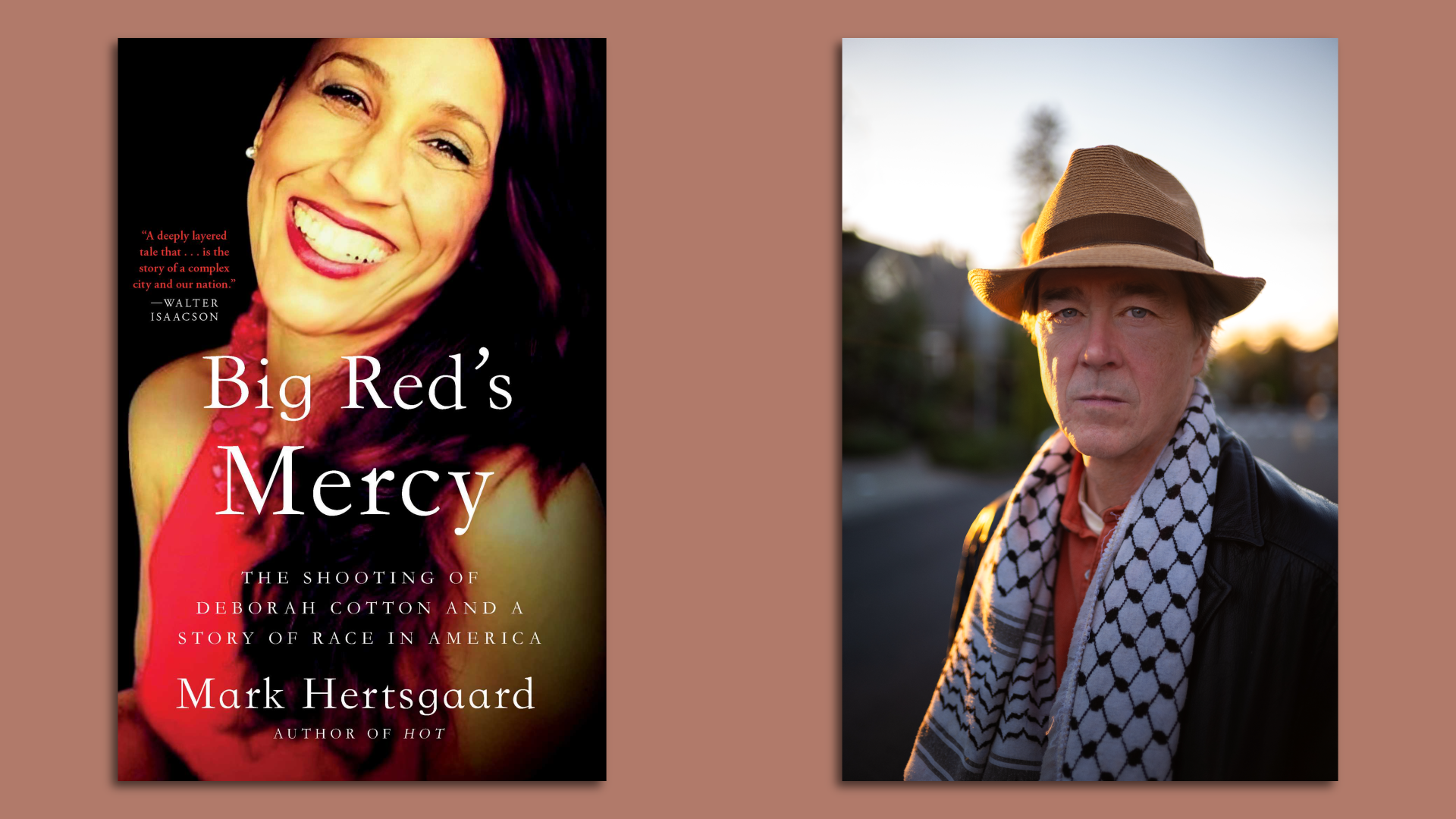
"Big Red's Mercy," left, is out May 7 by Mark Hertsgaard, at right. Images courtesy of Pegasus Books
In the days after the Mother's Day second-line shooting, Deborah "Big Red" Cotton stunned New Orleans when she asked for empathy for the shooters, that they be considered within the full context of how they came to that life-defining moment.
Why it matters: In a new book out May 7, journalist Mark Hertsgaard finally does that.
Zoom in: Hertsgaard's perspective offers an unenviable level of access because he was at the second-line when the 2013 shooting actually happened, and he's got the bullet wound to prove it.
- Cotton had also been shot, and in the years after the shooting, Hertsgaard grew close to her.
- But Cotton died in 2017 due to complications stemming from her injuries in the shooting.
Flashback: The shooting made international headlines 11 years ago.
- "It was a beautiful morning," Original Big 7 Social Aid and Pleasure Club's Ed Buckner told Hertsgaard, as the organization set out for its annual Mother's Day second-line.
- But it was ripped apart when two shooters opened fire in a violent show of gang rivalry.
- The shooters, brothers Akein "Keemy" Scott and Shawn Scott, were later imprisoned after pleading guilty.
- In all, 19 people were injured, including two 10-year-olds, one of whom Hertsgaard's reporting revealed was the Scott brothers' nephew.
The intrigue: As a white man who isn't from New Orleans, Hertsgaard openly grapples in the book and in conversation with whether he's the right person to explore more closely what happened that Mother's Day.
- "This is not just one more in a ghastly procession of U.S. mass shootings," Herstgaard tells Axios New Orleans. "It didn't happen at a supermarket. It didn't happen at a bar. … It happened at this literally sacred ceremony for African American culture that resonates all the way back to the era of slavery and gave rise to jazz. Nobody understood that better than Deb herself."
- But, Hertsgaard says, when he asked Cotton to explore writing about it, she challenged him to, instead.
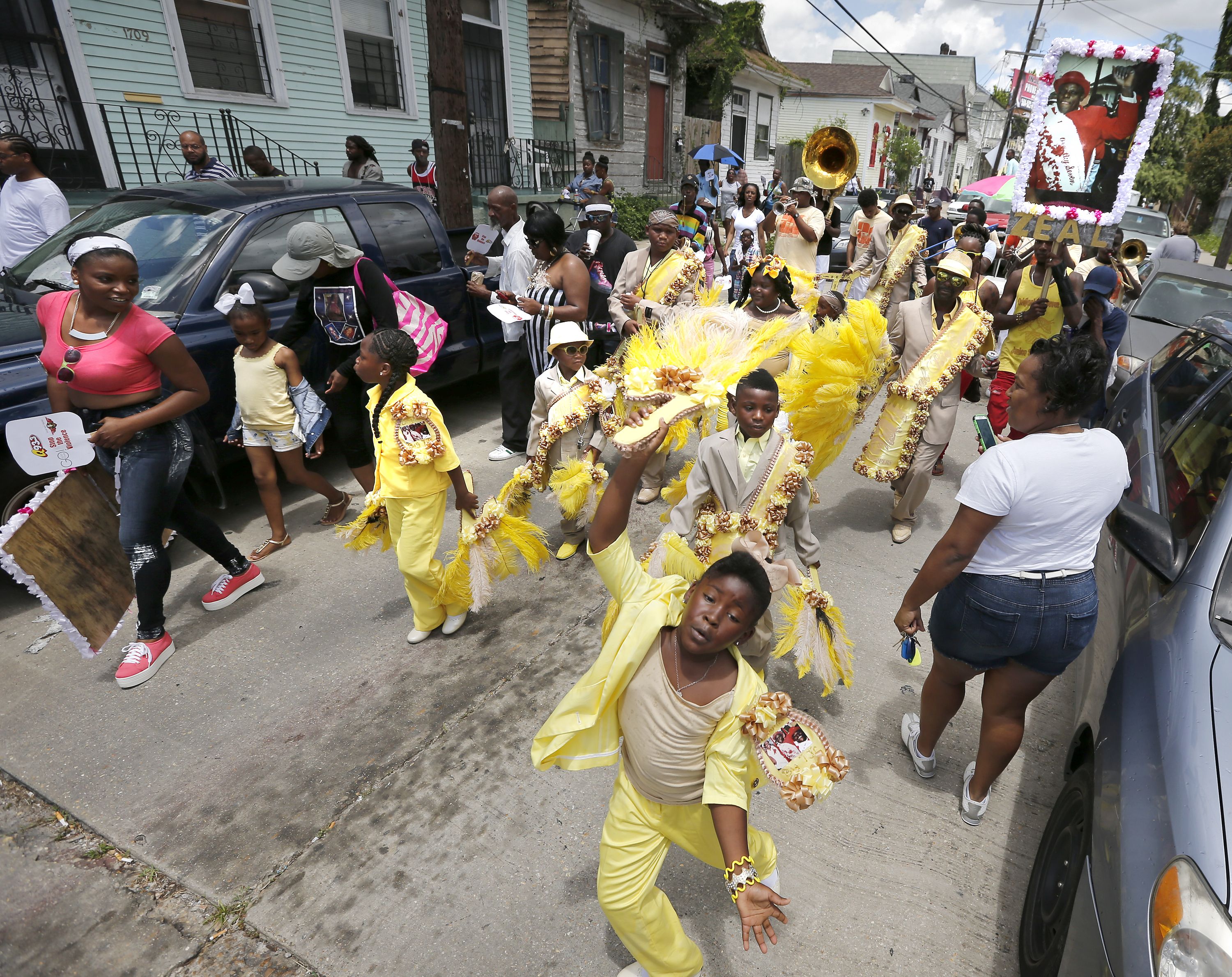
What's inside: Hertsgaard traces a line through hundreds of years of New Orleans history, connecting the city's start as the nation's largest slave market to the cultural and political circumstances that led two young Black men to open fire at a second-line.
- It's the context that Cotton asked for when the shooters first entered the criminal justice system.
- Not untethered forgiveness, Hertsgaard specifies, but a full picture that begs a community to consider how it can correct for its role in creating the circumstances that led there.
"Big Red's mercy was not just some kind of valiant act of Christian charity," Hertsgaard says.
- "Big Red's mercy came with Big Red's message: 'I'm gonna forgive them because I see them in context. I see why they did it. I don't excuse it.'
- "But this is what happens when you don't face racism and its roots in slavery."
If you go: Hertsgaard marks the book release with two book signings in New Orleans.
- The first is at Garden District Books on May 15.
- The second is at Melba's on May 17. Attendees get a free copy of "Big Red's Mercy."
The Original Big 7 Social Aid and Pleasure Club will also hold its annual Mother's Day second-line on May 12.