New Orleans was one of the 1st cities to observe Martin Luther King Jr. Day

Add Axios as your preferred source to
see more of our stories on Google.
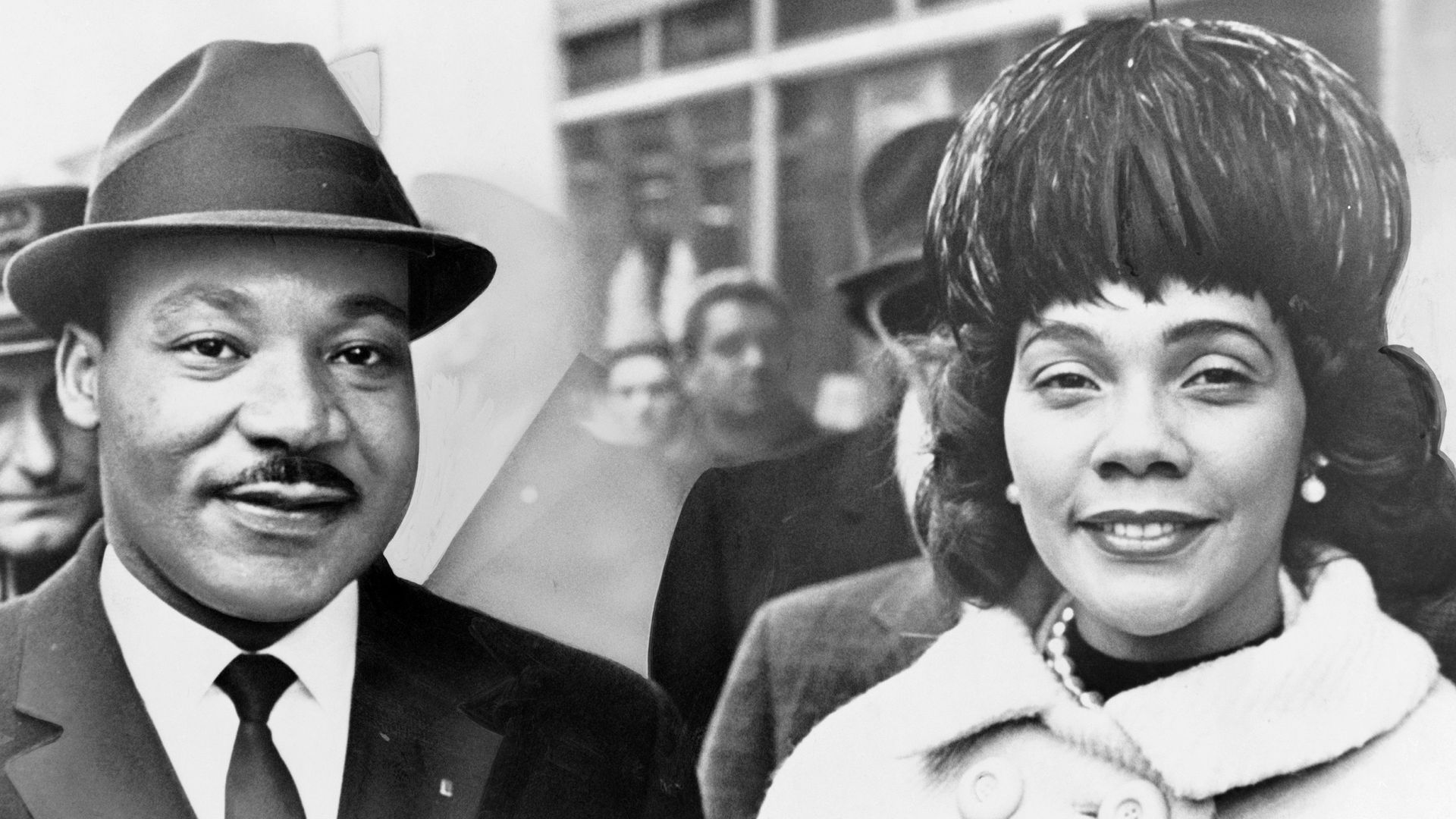
Martin Luther King Jr. and wife Coretta Scott King pose for a portrait in 1964. Photo: Library of Congress
New Orleans was one of the first major cities to host a Martin Luther King Jr. Day in the U.S., several years before it became a national holiday.
Driving the news: City leaders and civil rights activists unveiled a historic marker earlier this month honoring the milestone and King's widow, Coretta Scott King, who was instrumental in getting support for federal recognition.
- The sign is on the neutral ground at South Claiborne and Jackson avenues.
State of play: The sign describes the effort started in 1968 — four days after King's assassination — by the Southern Christian Leadership Conference to create a federal holiday honoring the slain leader.
- New Orleans first observed the day in 1978, according to information on the sign.
- President Ronald Reagan on Nov. 2, 1983, signed a bill that created the national holiday. Read more about the history.
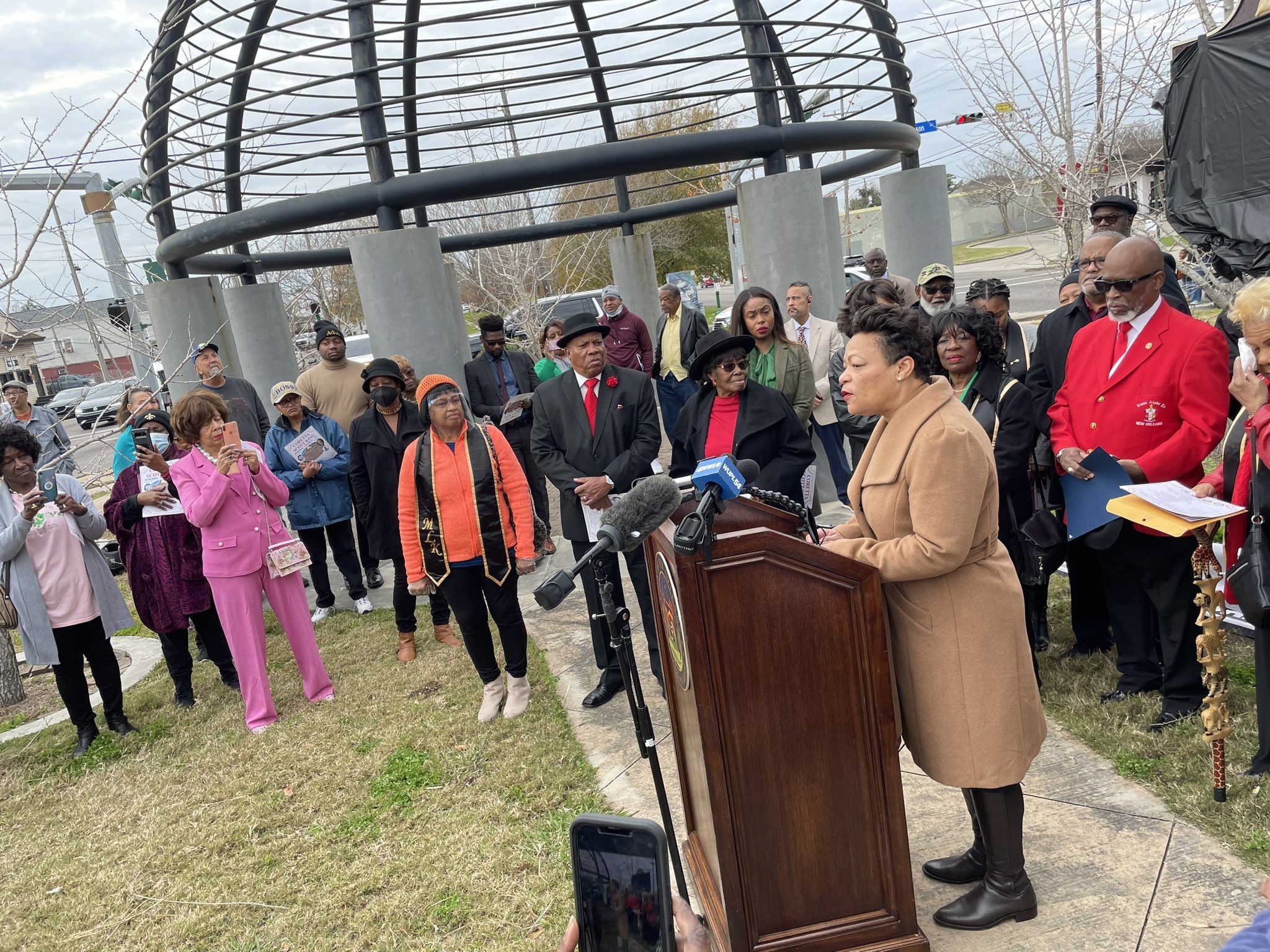
Schedule: Several events are being held in King's honor.
- City Church of New Orleans hosts a Dr. Martin Luther King Jr. Memorial Service at 10am Sunday.
- A march and commemorative parade starts at 10am Monday at A.L. Davis Park.
- See more events from the city and from the New Orleans chapter of SCLC.
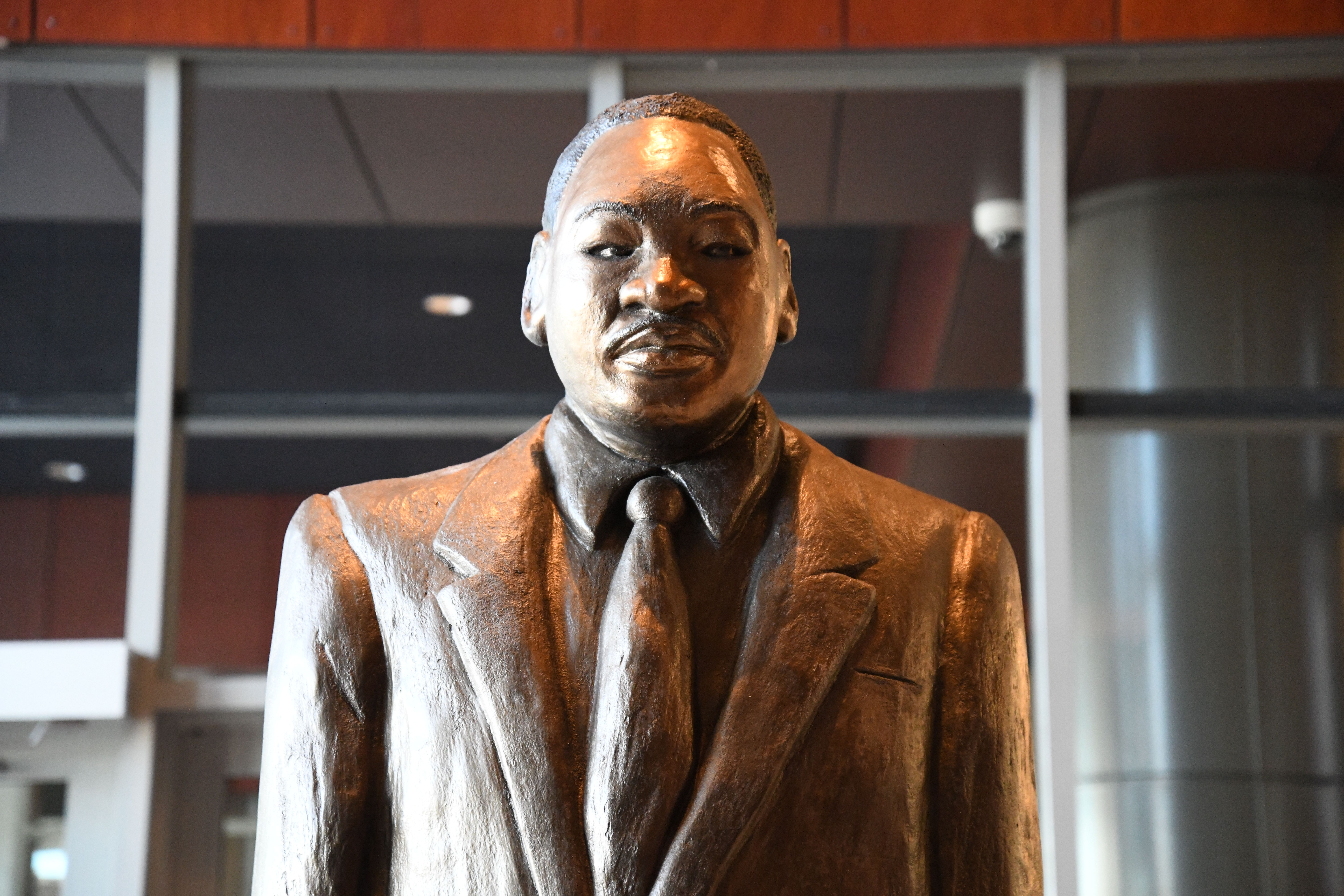
Meanwhile, a life-size statue of King was unveiled this week at the new Louisiana Civil Rights Museum at the New Orleans Ernest N. Morial Convention Center.
- The museum is open Tuesday through Sunday. (Ticket info)
More New Orleans connections: New Orleans native Mahalia Jackson was friends with the Kings and sang at many of the leader's events.
- She sang at the 1963 March on Washington and encouraged King to "tell them about the dream," leading him to improvise his most-famous speech.
- Jackson later sang "Precious Lord" at King's funeral. Coretta Scott King returned the honor and spoke at Jackson's funeral in 1972.
Go deeper: