Mosquitoes are extra feisty in New Orleans right now

Add Axios as your preferred source to
see more of our stories on Google.
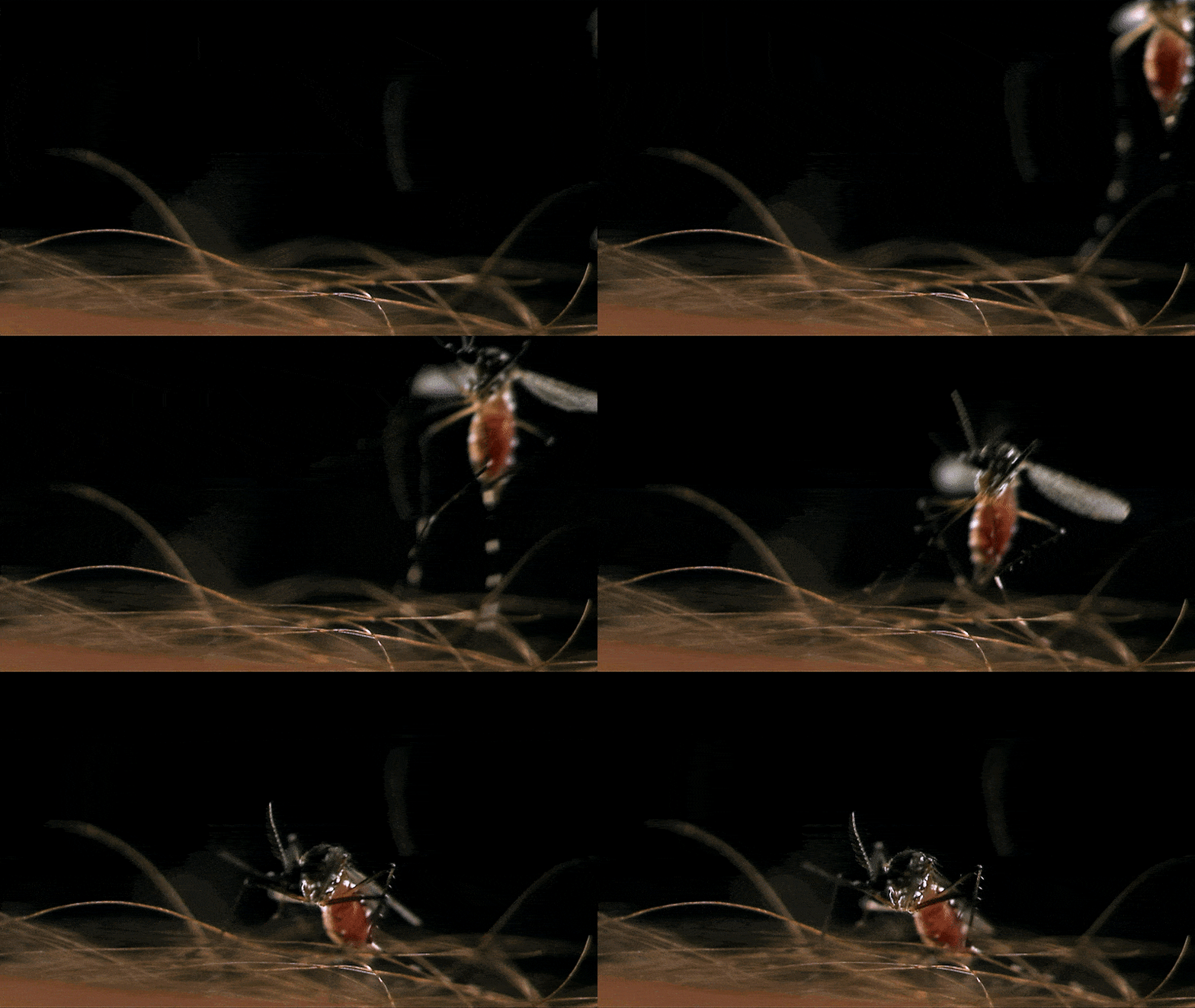
Mosquitoes are racing to eat dinner (ahem — you) before the temperatures drop at night.
Why it matters: Their feeding is more aggressive and concentrated, which makes it feel like mosquitoes are really bad right now.
Driving the news: Mosquitoes are swarming in pockets of New Orleans metro along swamps and Lake Pontchartrain, insect control experts tell Axios.
- Hotspots include New Orleans East, Lower Coast Algiers, Lafitte, St. Tammany, Bucktown/Bonnabel and Kenner along the border with St. Charles.
Zoom in: The mosquitoes normally have about three hours to feed, but because of the lower overnight temperatures, they are trying to scarf their dinner in about 20 minutes before racing to a warm, sheltered place, says Steve Pavlovich, an entomologist with Mosquito Control Services, which contracts with Jefferson Parish.
- They are most active when the sun goes down and right after that, adds Claudia Riegel, director of New Orleans Mosquito, Termite and Rodent Control Board.
- That means they are nailing you as you get home and then sneaking in your house in hopes of an all-night buffet.
What's happening: More than 60 species of mosquitoes live in southeast Louisiana. The floodwater-type mosquitoes are active now and dependent on tidal activities in marshes and swampy areas.
- "I have not seen this number of floodwater mosquitoes in a very, very long time," says Reigel, who has been working in New Orleans for almost 20 years.
- These types of mosquitoes are different from the disease-spreading varieties that breed in stagnant water. Those haven't been a big problem this year due to the extreme drought and heat, Pavlovich and Riegel say.
Threat level: The floodwater-type mosquitoes don't spread diseases like West Nile and Zika, but they will make you itch.
- They are also bigger and more aggressive than other types of mosquitoes, so some people say their bites hurt, Riegel says.
The big picture: The swarms have slowed down from a big surge in October. The mosquito problems should get better as the colder weather settles in.
- "We're very excited with this cold front," Riegel says. "Hopefully these temperatures will stay down."
- It will take several consecutive nights near freezing to knock out the current mosquito population, Pavlovich says.
- Until then, wear long sleeves and pants during prime feeding hours, in addition to EPA-recommended bug repellent.
Go deeper: