HUD's new rule threatens Indiana's only fair housing nonprofit


Add Axios as your preferred source to
see more of our stories on Google.
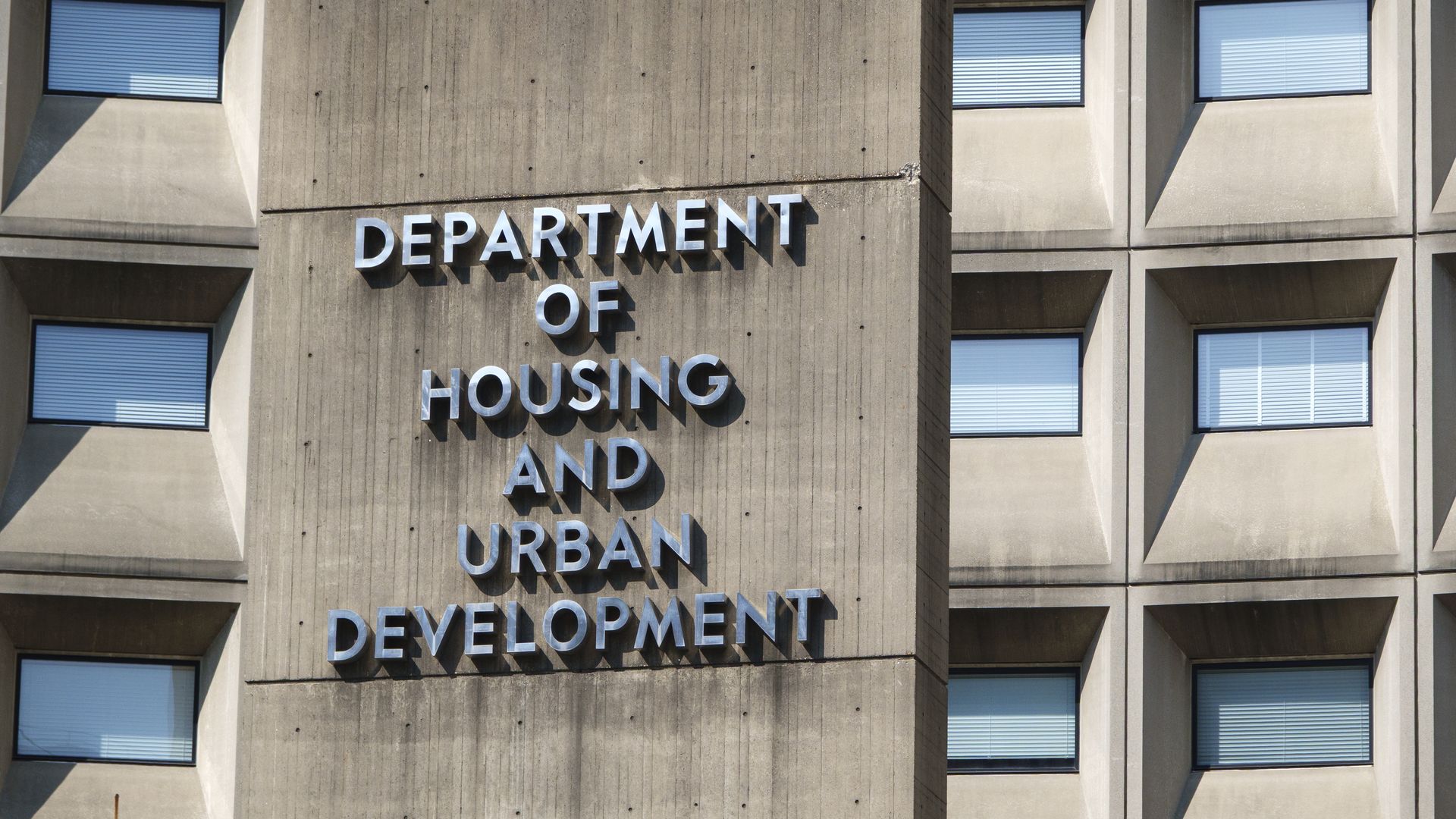
Photo: Kevin Carter/Getty Images
Indiana's only fair housing nonprofit says it will be forced to close if a new federal lawsuit challenging changes the Trump administration made to a key housing grant program isn't successful.
Why it matters: Most housing discrimination complaints are investigated not by the U.S. Department of Housing and Urban Development but by nonprofit fair housing organizations.
- Groups like the Fair Housing Center of Central Indiana rely on federal Fair Housing Initiatives Program (FHIP) grants to survive.
Driving the news: The complaint contends that HUD is replacing its traditional grant structure with new eligibility rules that would effectively lock out most community-based fair housing groups. It argues that the changes would force many to slash services or close altogether.
- Organizations will be eligible to apply for grants only if they have a budget of at least $5 million, for example.
- The Fair Housing Center of Central Indiana's annual budget is about $1.2 million, and FHIP grants account for more than half of that, according to executive director Amy Nelson.
The big picture: Filed last week in federal court in Massachusetts, the suit is the third legal challenge to HUD's handling of FHIP funding in the past 16 months.
Zoom in: Indiana's group is not a named plaintiff in the current suit, but it's a member of the National Fair Housing Alliance, which is a plaintiff.
What they're saying: "It is absolutely devastating," Nelson tells Axios. "Unless the lawsuit is successful, there's no way we're going to be able to stay open."
- The group's largest grant was supposed to start in May and has not, Nelson said. It funds their work counseling clients and conducting investigations into unfair housing practices such as discrimination and sexual harassment.
- Two more grants are set to expire at the end of February. One funds all of the center's education and outreach work, and the other helps extend its coverage area, because it's the state's only such group.
The other side: HUD's responsibility is to "enforce the law as written, protect the civil rights of Americans, and responsibly steward taxpayer resources," the agency's deputy secretary, Andrew Hughes, said in a statement.
- "Activist opposition will not deter the Department."