How ready U.S. cities are for the World Cup


Add Axios as your preferred source to
see more of our stories on Google.

Illustration: Aïda Amer/Axios
The World Cup is almost here, and some cities are more prepared than others as organizers enter the final stretch.
Why it matters: The 11 U.S. cities will host 78 matches of the tournament's historic 104-game slate, making the tournament a global showcase and a massive stress test for transit, security, tourism and infrastructure.
Driving the news: Axios reporters across host cities looked to see who's nailing the prep, who's racing the clock and how each city is building the fan experience ahead of the June 11 kickoff. Here's what we found:
Security
U.S. host cities received $846 million through a new FIFA World Cup Grant Program, plus separate federal funding for drone security and other public service needs.
Context: The FEMA grant can fund increased police and emergency response at venues, hotels and transportation hubs, as well as staff background checks and cybersecurity defenses.


Zoom in: Atlanta is modeling its setup on the city's 2019 Super Bowl, with a secured stadium perimeter and aerial patrols. A federal official said fans should expect a similar presence.
- In KC, which ran its largest-ever security drill in April, police are deploying a fleet of first-responder drones that can reach an emergency scene within 30 seconds.
- Boston-based Jane Doe Inc. is working with other advocacy groups, law enforcement and local officials to monitor and prevent human trafficking, sexual assault and domestic violence incidents during the event.
Zoom out: Federal officials are also sharing intelligence across the cities, flagging threats.
📣 Fanfare
Each city is transforming public spaces into public fan celebrations, using newly relaxed FIFA guidelines to customize their fan festivals.
Zoom in: Philadelphia is the only U.S. host city operating a fan festival throughout the tournament's 39-day run. Dallas' and Houston's festivals will have five "rest" days.
- Other cities are opting for shorter stretches, largely citing steep operating costs.
Cities like Seattle and San Francisco have bypassed central hubs, opting instead for official fan zones across neighborhoods.
- Meanwhile, Los Angeles is breaking from the free model, requiring a $10 ticketed entry.
Each fan festival will look a little different, with host cities deciding how to celebrate. Events range from a free kickoff concert by superstar Carlos Vives in Miami to a ticketed concert series in Dallas featuring Major Lazer and the Turnpike Troubadours.
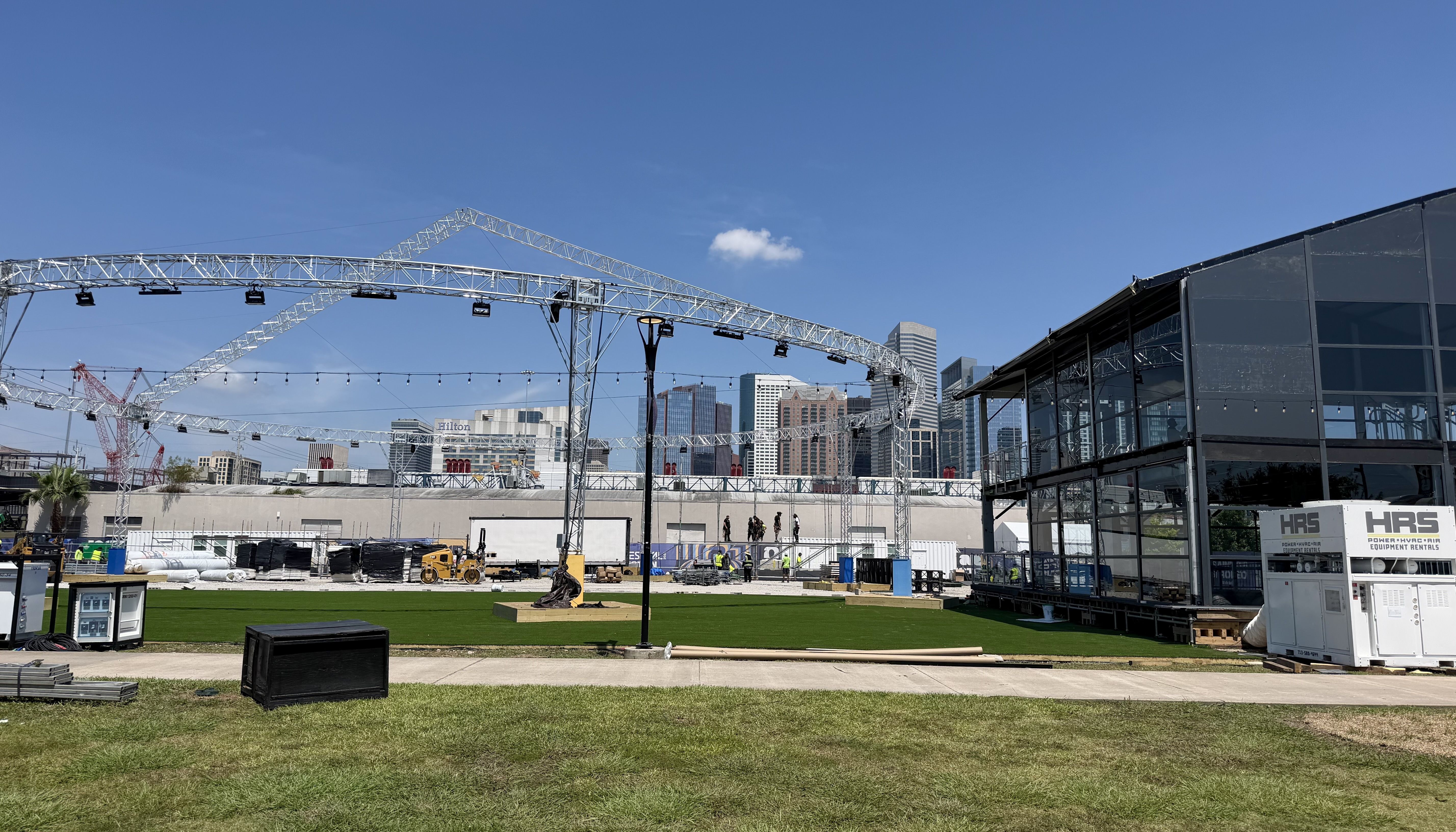
Separately, cities are hosting events for some of the teams. Houston has planned a march for Netherlands supporters, though Kansas City police don't want them walking to the stadium.
- In New York, England supporters have a home base at "The House of Three Lions" in Houston Hall, which will host matchday watch parties.
The intrigue: Some cities are extending alcohol sales for late-night crowds. In Philadelphia, some bars can apply for permits to stay open until 4am, while Kansas City is allowing some businesses to serve until 5am.
- Massachusetts could have some of the earliest last-call times for bar and restaurant service if lawmakers fail to pass a last-minute bill allowing alcohol sales until 3am.
🚌 Transportation
Getting fans to the World Cup is one of the tournament's sharpest stress tests.
Case in point: Many World Cup venues sit far outside city centers, forcing cities to spend heavily on transportation plans while, in some cases, passing higher costs on to fans.
The intrigue: FIFA's Dallas Stadium is in Arlington, which doesn't have a mass public transit system. Officials have set up a costly system that includes chartering buses to move massive crowds through the area, with connections to other rail systems in the region.
Friction point: Transit pricing has already sparked outrage in some host cities. In Boston, the MBTA's round-trip Commuter Rail ride to Gillette Stadium in Foxboro — typically under $20 — will cost World Cup fans $80 on match days.
- MetLife Stadium in New Jersey, which hosts the final, eliminated public parking to enforce a transit-only layout. Initially, the transit prices spiked to over $150, but severe blowback forced New York and New Jersey officials to subsidize the routes.
Meanwhile, cities like Philadelphia, Houston and Atlanta are not increasing transit fares and are adding massive fleet service.
🚧 Construction
Several cities are pausing roadwork during the games to ease congestion. KC's MoDOT and Houston are halting highway work, while Seattle is reopening all lanes of I-5, the main interstate running through downtown, from June 8 to July 10.
State of play: Host cities are working to finish marquee projects in time to greet fans.
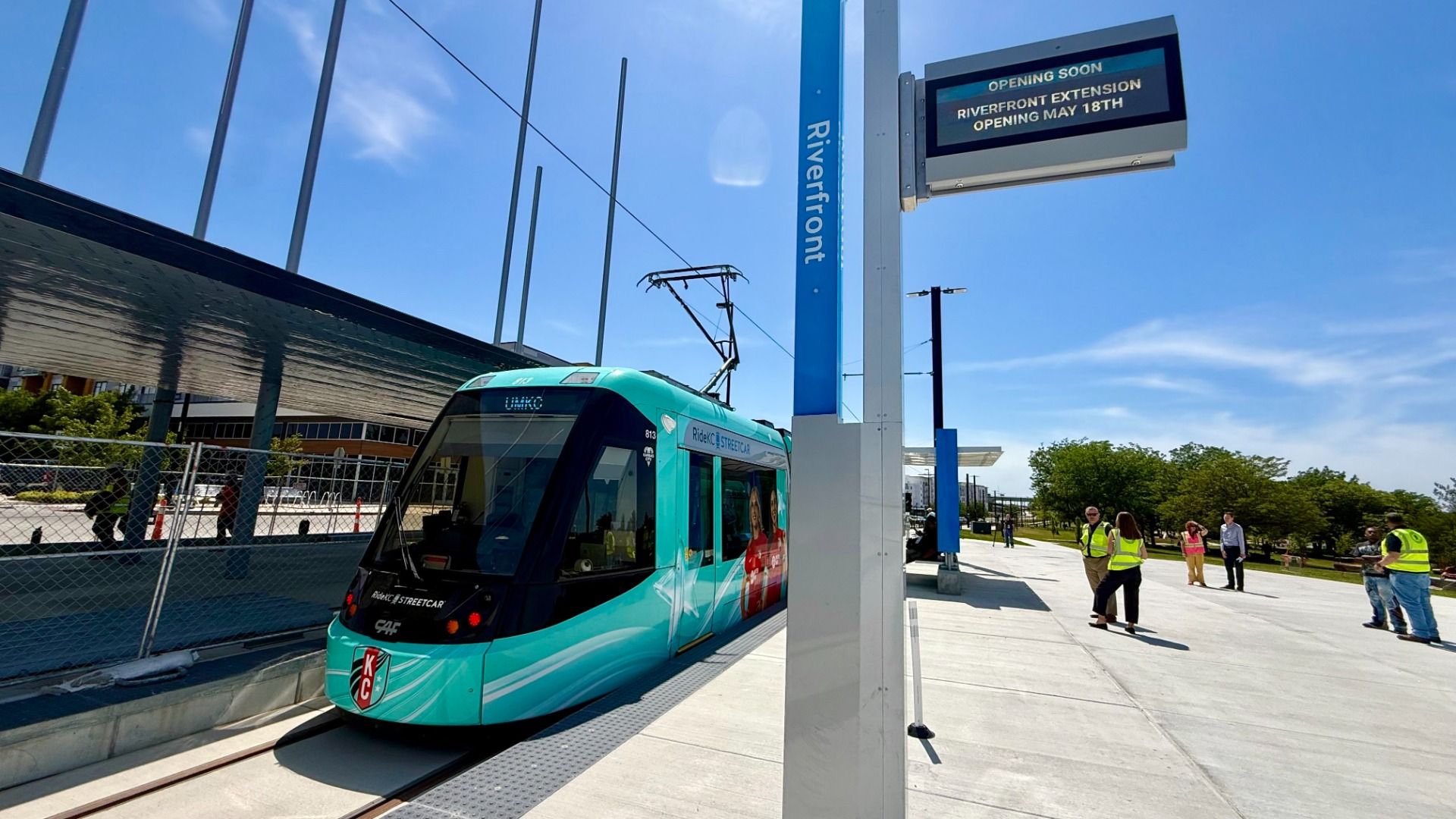
- KC wrapped most of its projects in May, including a new extension of the city's free downtown rail line that connects fans to the riverfront entertainment district. A $5 million art installation canopy marks the new end of the line.
- Houston opened a pedestrian-only promenade on seven blocks of Main Street last week, and Dallas is closing parking spaces and adding art and community spaces downtown to make it more walkable.
Atlanta plans to open the entertainment district of Centennial Yards, a sprawling $5 billion mixed-use development across the street from the stadium, on June 10, anchored by a 70,000-square-foot immersive venue called Cosm.
- The city is also resurfacing streets, installing bike lanes and repairing sidewalks ahead of its June 15 World Cup kickoff through a $120 million transportation bond.
Yes, but: Not everyone will make it. In Frisco, Texas, which hosts a team base camp at FC Dallas' Toyota Stadium, the $20 million Fourth Street Plaza won't be ready in time.
- The city canceled a June 20 grand opening, citing delays.
🥅 What's next
The tournament opens June 11 at Estadio Azteca in Mexico City, with the host nation taking on South Africa.
- The first U.S. match follows June 12, when the U.S. men's national team faces Paraguay in Inglewood, California.
The full schedule is on FIFA's site.