Waymo introduces autonomous rides in Houston


Add Axios as your preferred source to
see more of our stories on Google.
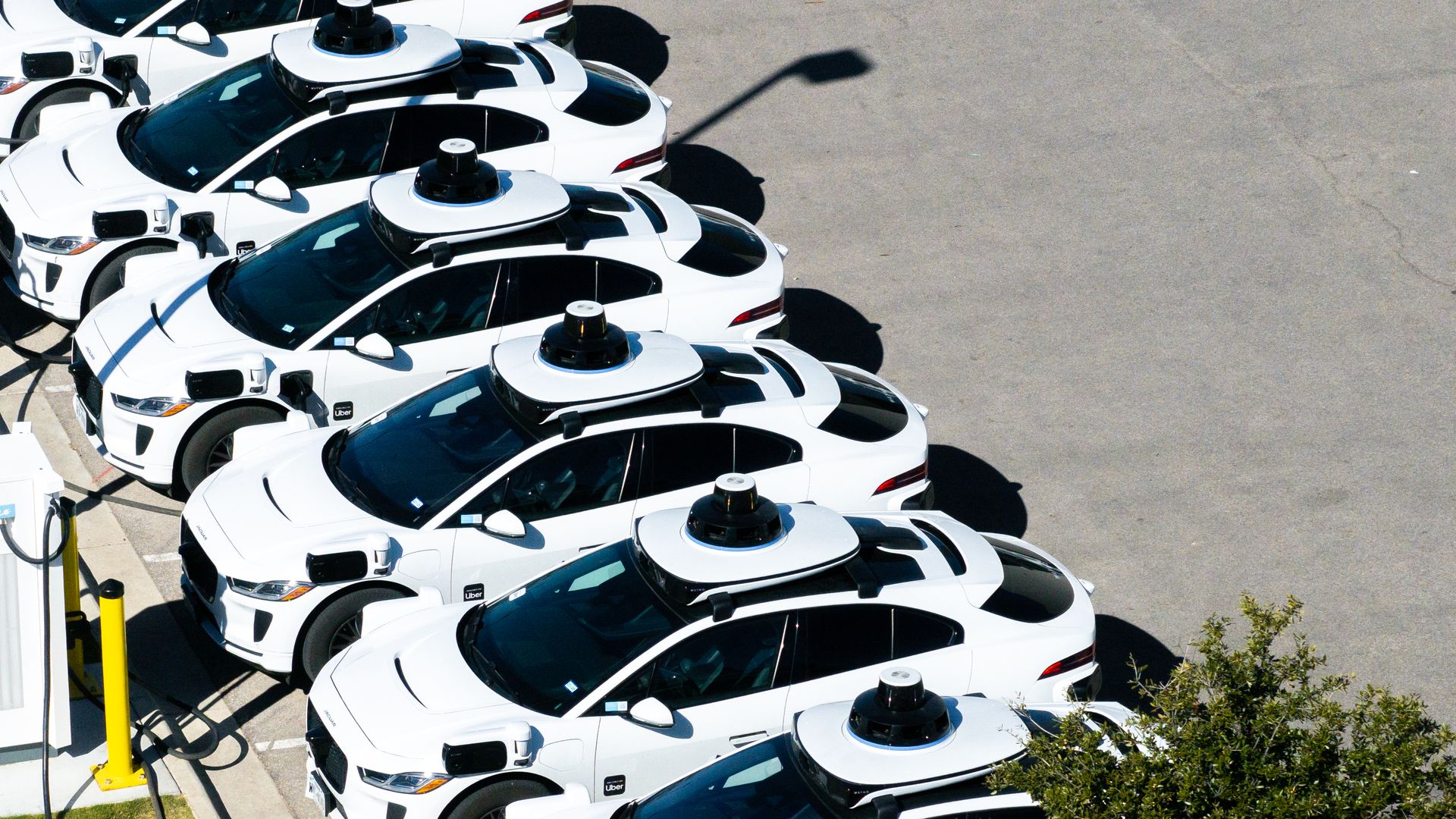
Robotaxis are in Houston again. Photo: Brandon Bell/Getty Images
Waymo's driverless rides have arrived in Houston, starting with a limited rollout.
Why it matters: Waymo's debut turns futuristic tech into a commuting option, moving the technology past its testing phase and into daily life.
Driving the news: The initial fleet includes dozens of Jaguar I-PACE SUVs, with plans to grow the fleet over time, Waymo spokesperson Mark Lewis tells Axios.
- Select riders who've downloaded the Waymo app will receive invitations starting Tuesday.
- More invites will roll out in phases, with service expected to open to everyone later this year.
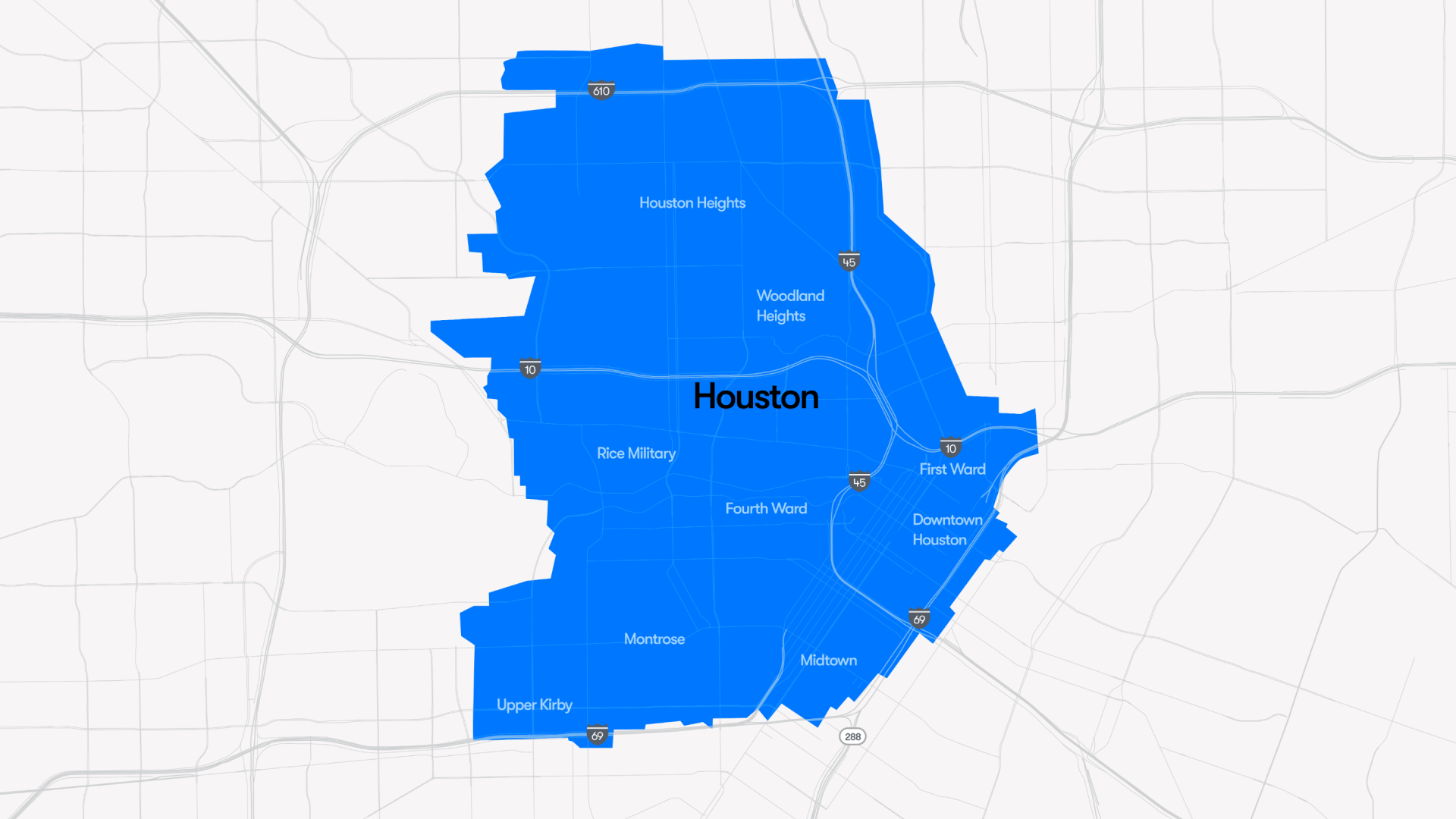
State of play: The roughly 25-square-mile service area covers downtown, Montrose and the Heights, among other neighborhoods.
- It's a smaller footprint than those of Austin (140 square miles) and San Antonio (60 square miles), but Lewis says it's the "right size for us to begin our offering."
How it works: Riders request a car through the Waymo app. It also allows them to choose a pickup point and unlock the vehicle when it arrives.
- A spinning rooftop light displays the passenger's initials or a custom message. The app can also unlock the hatchback.
- Inside, riders can adjust the temperature, play music and watch a live map showing nearby vehicles, cyclists and pedestrians as the car navigates.
- Waymo's system combines machine learning with lidar, radar and camera sensors to continuously scan its surroundings.
Flashback: Waymo is the second autonomous ride-hailing company to try its chances in Houston.
- Cruise briefly offered autonomous rides before its parent company, General Motors, pulled the plug.
What they're saying: Lewis says part of Waymo's mission is to improve road safety through its autonomous driver technology.
- "That's at the heart of why Waymo was founded," Lewis tells Axios. "We want to save lives on the road."
The intrigue: Waymo says its autonomous tech is safer than a human driver, claiming its fleet experiences 80% fewer injury-causing crashes compared to a human.
Yes, but: Waymo made headlines earlier this year when one of its vehicles struck a child who ran out into the street from behind a double-parked car in California. Once in view, the Waymo applied its brakes and slowed to under 6 mph before the collision.
- The incident ignited a debate over whether a human driver could have avoided the hit altogether.
💭 Jay's thought bubble: A major part of road safety is speed and following other traffic safety laws.
- Imagine a pair of Waymo vehicles driving the speed limit side by side on a road otherwise occupied by human speed demons (looking at you, Montrose Boulevard drivers).
- Their presence alone would slow traffic.
Between the lines: Houston does not maintain a public incident dashboard for autonomous cars like other cities where it operates (including Austin), but the Texas Department of Transportation operates a crash database that includes autonomous vehicle reporting.
Zoom out: Waymo also launched service for select riders Tuesday in San Antonio, Dallas and Orlando, Florida.