How Hurricane Katrina reshaped lives in Houston


Add Axios as your preferred source to
see more of our stories on Google.
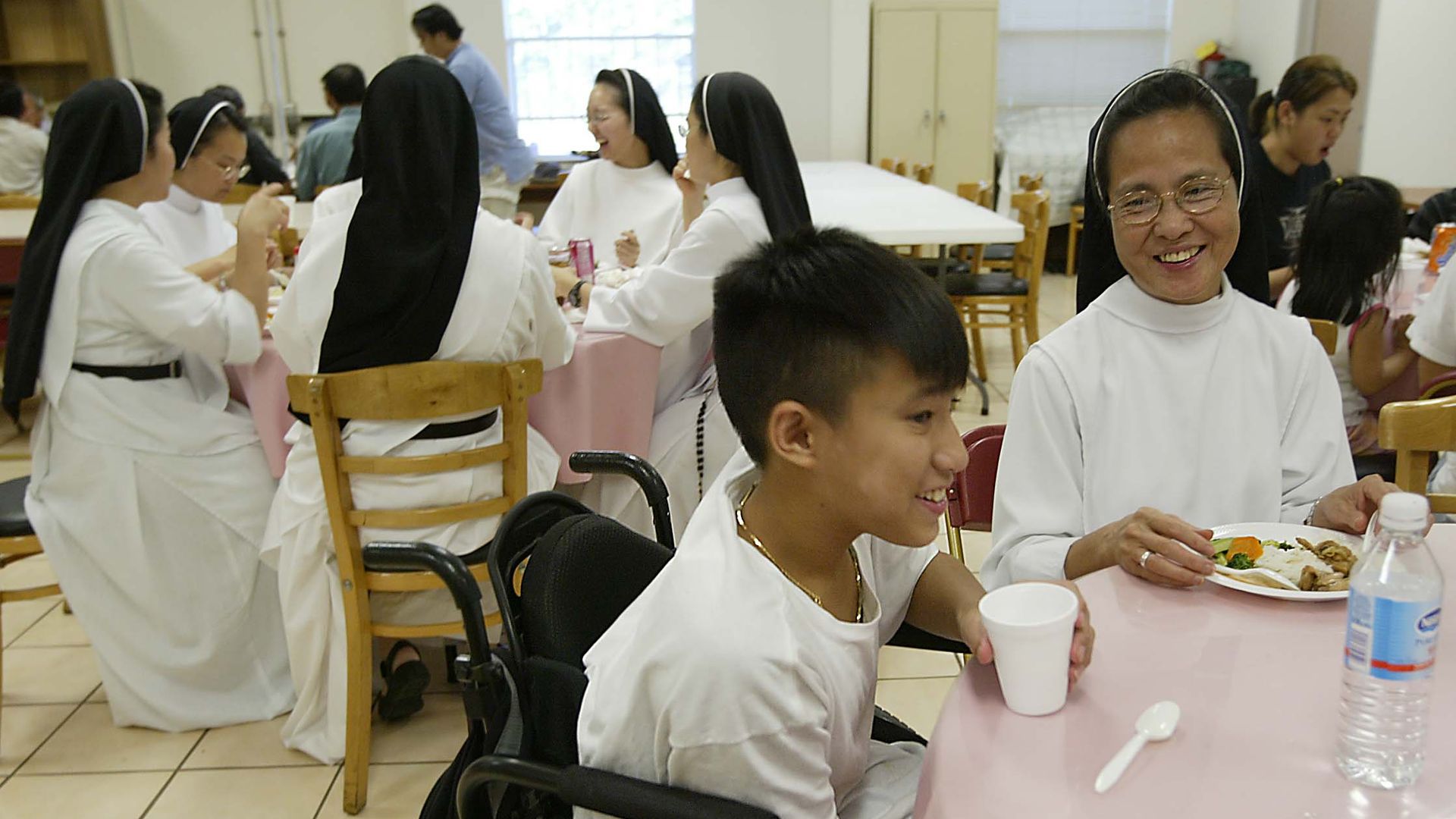
An east New Orleans boy enjoys a meal at the Vietnamese Dominican Sisters Convent in Houston on Aug. 31, 2005. Photo: Mayra Beltran/Houston Chronicle via Getty Images
When Hurricane Katrina flooded New Orleans in 2005, tens of thousands of displaced residents fled across the country, and new data shows many moved to Houston over the years.
Why it matters: Houston proved to be one of the places where a temporary refuge turned into a permanent home, researcher Elizabeth Fussell tells Axios.
- Their presence shaped neighborhoods, schools and the city's cultural identity.
Flashback: When the levees broke, about 80% of New Orleans was flooded, leaving much of the city suddenly uninhabitable.
By the numbers: New Orleans' population fell from 484,674 in April 2000 to an estimated 230,172 in April 2006, the Data Center says.


Reality check: Population data tells us trends but doesn't follow individuals.
- Government officials have only granted Fussell access to that kind of specificity within the data. She used census records to identify New Orleans residents impacted by Katrina, then followed them from 2006 to 2019.
Fussell found that 33% of Katrina-affected New Orleanians had not returned to the metro by 2006.
- By 2019, her research shows, 31% of Katrina-affected New Orleanians still lived elsewhere, though by then, Texas cities had proven stronger at keeping and even attracting more of them.
"People found more reasons to stay in Texas than they did in Baton Rouge or Atlanta," Fussell says.
- "What made the places stickier for some people and less sticky for others? … You need more than friends and family; you need jobs and housing."
Zoom in: Houston was the right place for all of those things, Daniel Potter, director of the Houston Population Research Center, tells Axios.
- The region's strong economy at the time would help delay the effect of the Great Recession, meaning Greater Houston was a perfect place to find homes and jobs in the mid-2000s, Potter says.
Plus, Houstonians' culture of open arms for those in need helped seal an "opportunity for people to put roots down," Potter adds.
What they're saying: "[Houston] had historically embraced people in need, welcomed people in need and got people in need taken care of," Potter says.
- "It's not to say that people loved it all along the way, but when push comes to shove, folks would do it again."