Michigan election guide 2026: What to know before you vote


Add Axios as your preferred source to
see more of our stories on Google.
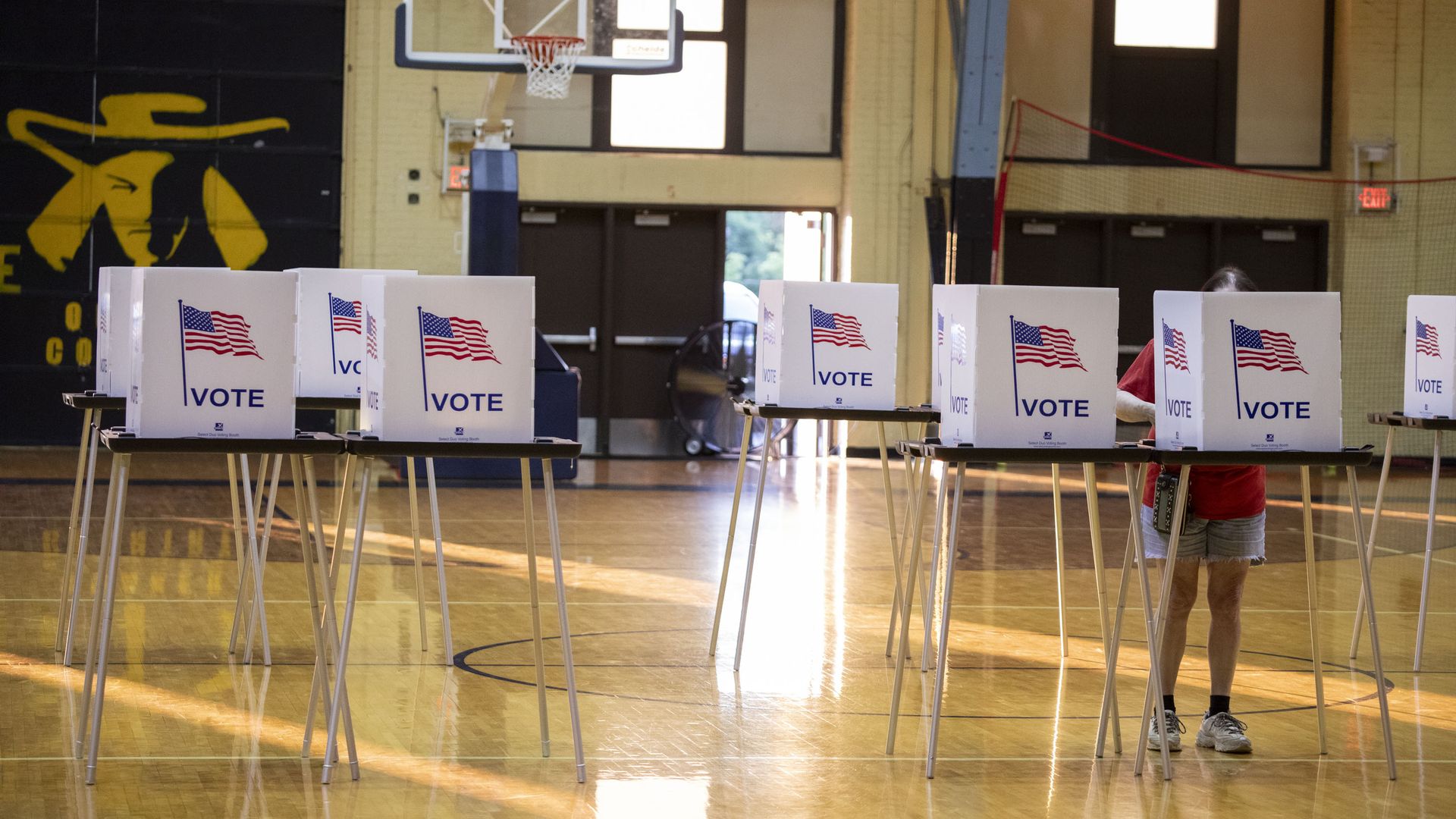
Photo: Bill Pugliano/Getty Images
The final countdown to Election Day is on, and voting is already underway across Metro Detroit.
Why it matters: There's plenty at stake in this year's midterms, and voters are approaching the election with a mix of concern and optimism.
- Whether you're voting early, absentee or on Nov. 3, here's what you need to know.
Your voting checklist:
- 🗓️ Want to vote early? Michigan's nine-day early voting period runs through Sunday, Nov. 1. Some communities offer additional days. Find your voting location and hours through the Michigan Voter Information Center.
- 📍 Voting Nov. 3? Find your polling place and preview your ballot through the same state website. Polls are open 7am–8pm, and anyone in line by 8pm has the right to vote.
- ✉️ Voting absentee? Return your completed and signed ballot to your clerk's office or an authorized drop box by 8pm on Nov. 3. Don't rely on the mail this close to Election Day.
- 🪪 Bring a photo ID if you have one. Voters without ID can still cast a regular ballot after signing an affidavit.
- ✍️ Not registered? Eligible voters can register in person at their city or township clerk's office with proof of residency through 8pm on Election Day.
Zoom in: Detroit recorded 3,504 early voters on Saturday and Sunday combined, surpassing the city's opening weekend total of 2,511 for the 2024 presidential election.
- Eight early voting centers are open 9am–5pm through Sunday.
- Find locations and absentee ballot drop boxes through Detroit Votes.
- Voting Monday, Nov. 2? Only the City Clerk's Office (2 Woodward Ave., Suite 106) and Department of Elections (2978 W. Grand Blvd.) will offer early voting that day, from 8am–4pm.
Do your homework: Spend a few minutes researching candidates and proposals farther down your ballot.
- The statewide races may grab the headlines, but judicial contests, school boards and university trustees deserve your attention, too.
U.S. Senate
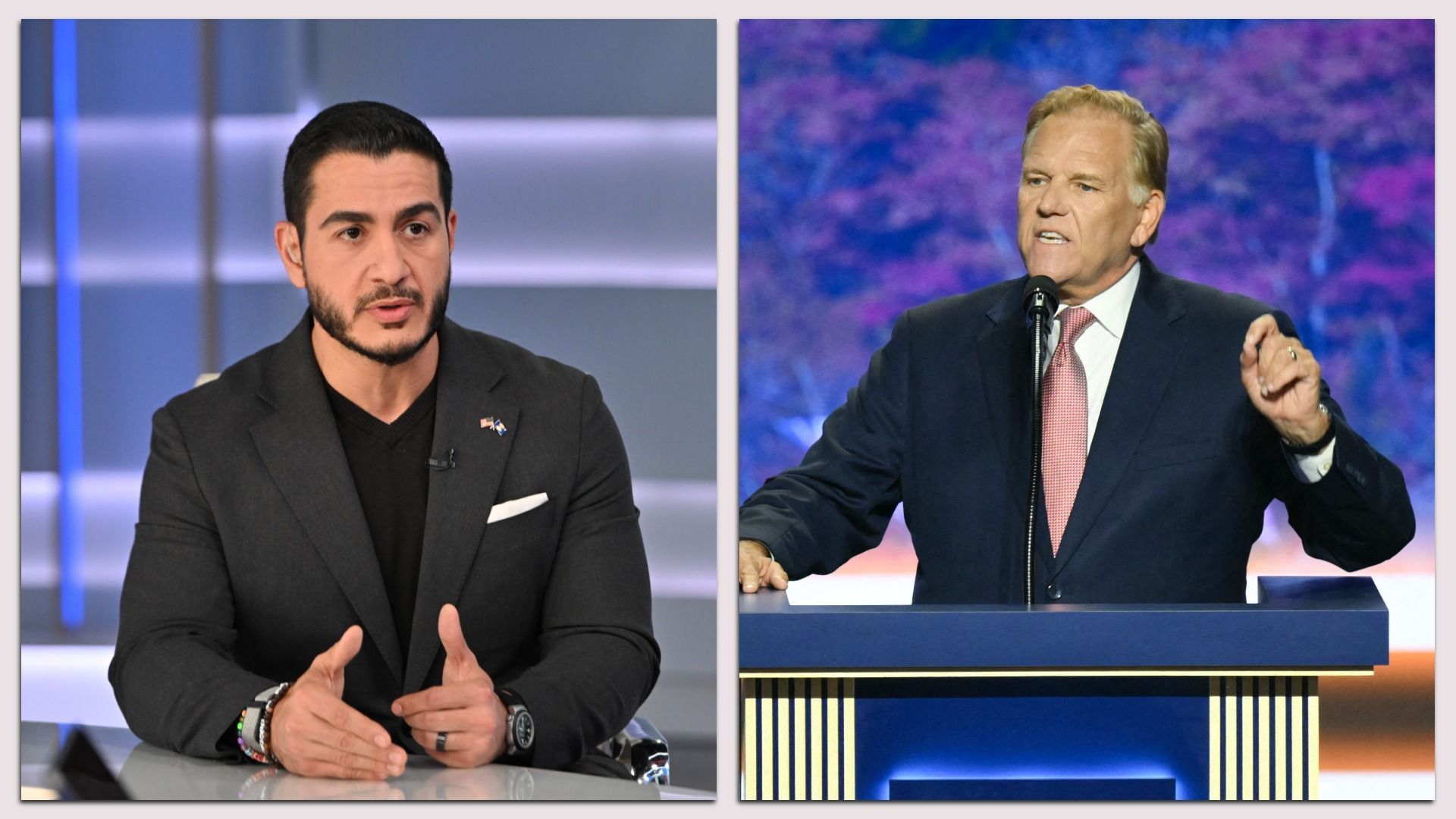
Nationwide, eyes are on Michigan's U.S. Senate race with rising Democrat Abdul El-Sayed against Republican Mike Rogers, a former congressman making his second straight Senate run.
- El-Sayed, a former Detroit and Wayne County health director, narrowly defeated establishment-backed U.S. Rep. Haley Stevens after a bruising Democratic primary that drew more than $60 million in outside spending backing Stevens.
- Rogers, a former seven-term congressman and FBI agent, narrowly lost Michigan's 2024 Senate race to Democrat Elissa Slotkin. He previously chaired the House Intelligence Committee.
- Their positions on major issues.
Governor
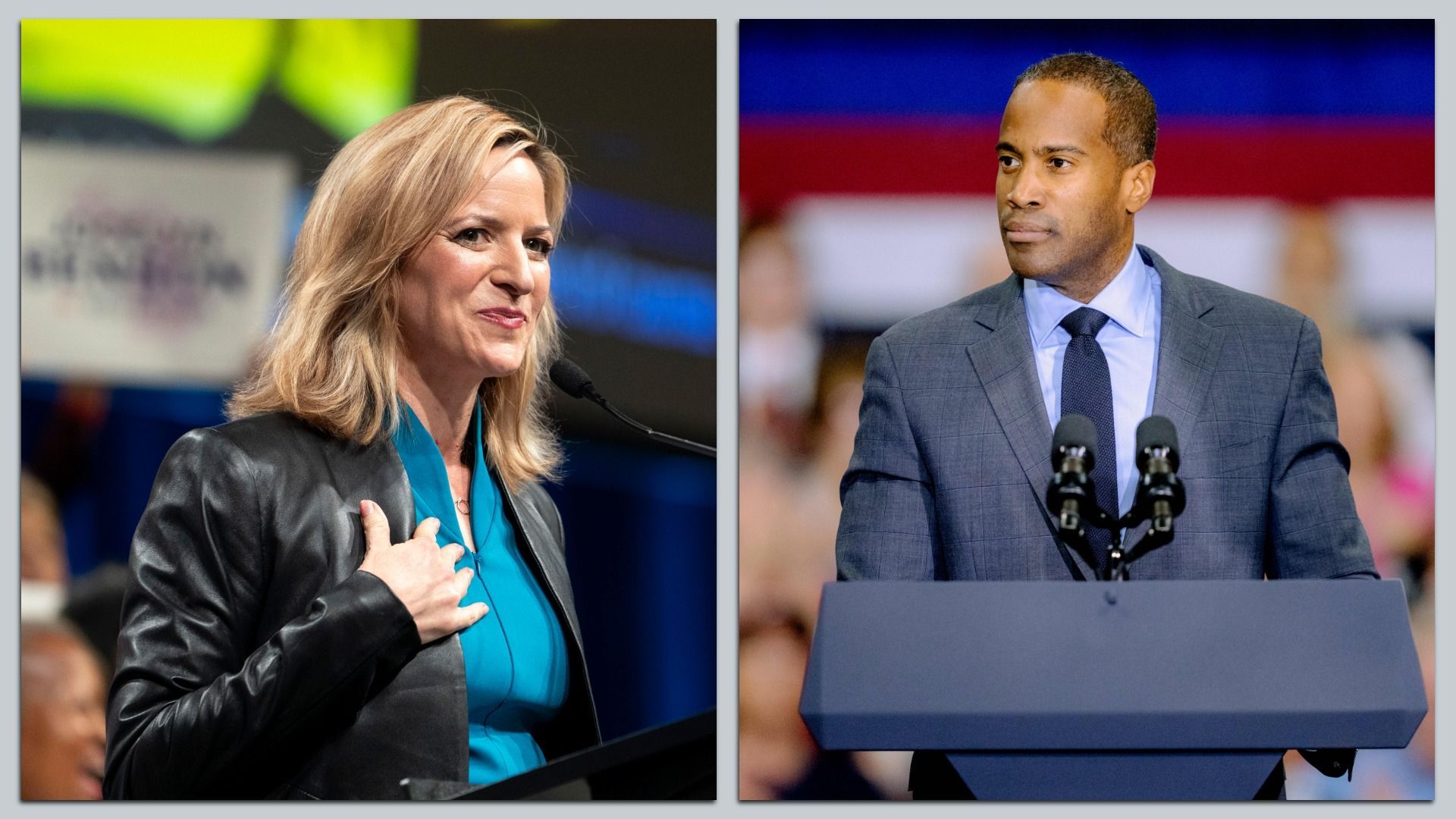
Michigan voters will choose a replacement for term-limited Democratic Gov. Gretchen Whitmer — Democrat Jocelyn Benson or Republican John James.
- Benson, Michigan's secretary of state since 2019 and a former dean of Wayne State University Law School, seeks to keep the office in Democratic hands. Whitmer endorsed her after the primary.
- James, a second-term congressman from Shelby Township, is an Army veteran, businessman and two-time U.S. Senate nominee. A longtime Trump ally, he secured the president's endorsement during the GOP primary. He would be Michigan's first Black governor.
- More on their stances.
More statewide races

Attorney general: The state's top legal officer represents Michigan in court, enforces consumer protection laws and can challenge federal policies.
- Eli Savit (D): Washtenaw County prosecutor since 2021. He's pursued progressive criminal justice reforms and vows to protect civil rights and hold corporations accountable.
- Doug Lloyd (R): Longtime Eaton County prosecutor who favors a more traditional approach to criminal justice. He's criticized Attorney General Dana Nessel for what he considers politically motivated prosecutions and lawsuits.
- Go deeper: The Free Press pressed both candidates on major issues.
Secretary of state: Michigan's chief election official also oversees driver's licenses, vehicle registrations and campaign finance disclosures.
- Garlin Gilchrist II (D): Michigan's lieutenant governor and a former software engineer. He wants to protect elections from federal interference, expand voter participation and strengthen campaign finance disclosure.
- Anthony Forlini (R): Macomb County clerk and former state lawmaker. He's focused on election security, maintaining accurate voter rolls and making election records more accessible to the public.
- Go deeper: Votebeat Michigan interviewed both candidates.
Statewide proposals
Proposal 1: Decide if Michigan should hold a constitutional convention — a complex process, per Bridge Michigan.
- Supporters say it provides a method for progress around slow-moving Lansing, while opponents fear drastic changes that benefit big-spending special interests. Learn more from Bridge.
Proposal 2: Choose whether to limit political influence from corporations and utilities.
- The proposal would prohibit regulated electric and gas utilities (such as DTE and Consumers Energy), companies with big government contracts and people substantially connected to them from making campaign contributions to candidates who affect them.
- Supporters say corporations profiting from the public's trust shouldn't be funding politicians, while those against say it would restrict rights to free political speech. Learn more from WDIV.
Detroit public school board

Detroit voters will pick five members of the Detroit Public Schools Community District board from 34 candidates.
- Pick four out of 31 candidates seeking full terms, and pick one candidate out of three for a partial term ending in 2028.
Why it matters: The winners will make decisions impacting 50,000 students, as parents call urgently for better literacy scores and financial transparency on district spending, according to Chalkbeat.
Learn about the candidates: Use BridgeDetroit's interactive guide to learn more about them.
- Plus, watch CitizenDetroit's interviews with 25 of them.
Museum millage
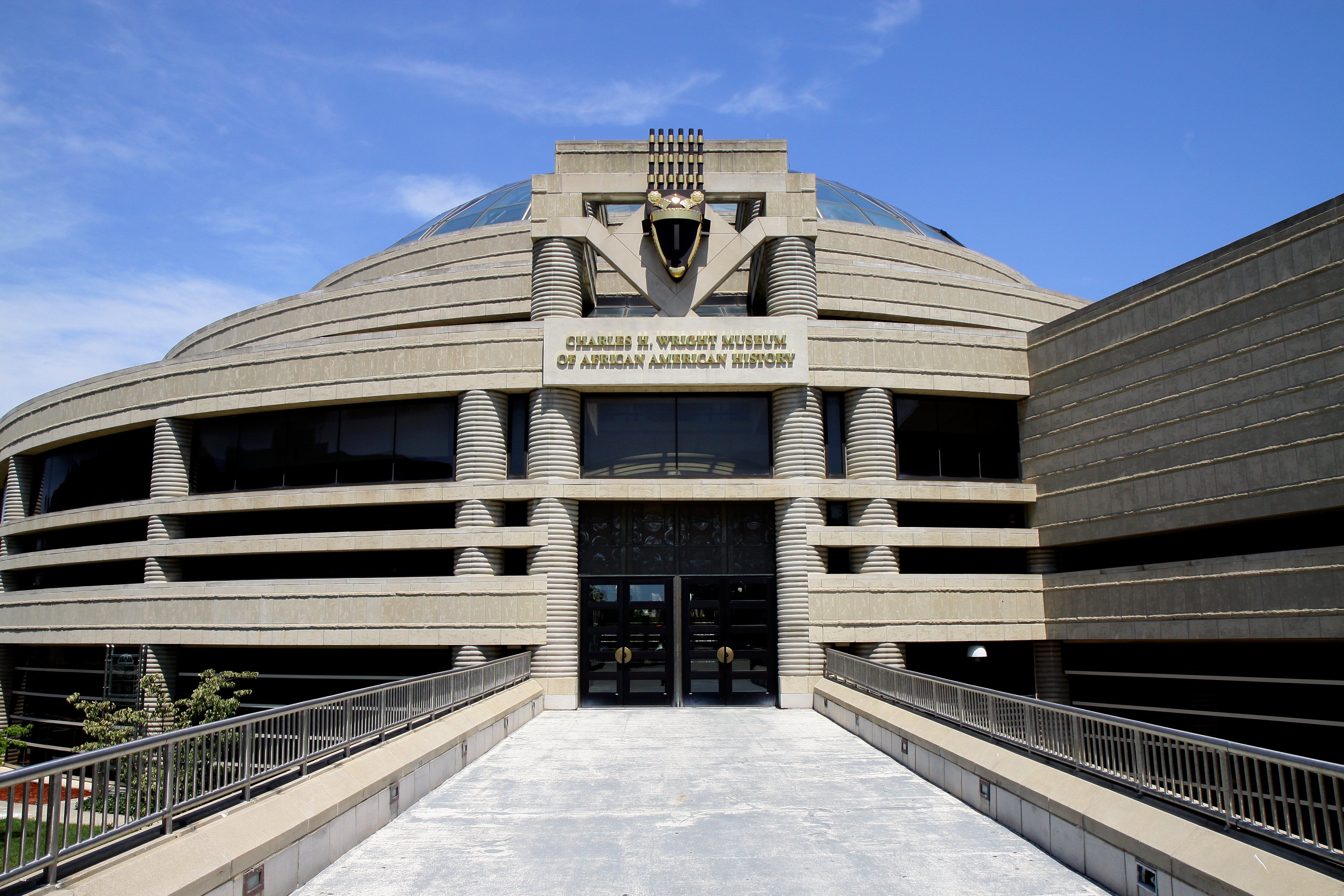
Wayne and Oakland counties are deciding whether to provide new funding for the Wright Museum of African American History, Detroit Historical Museum and Dossin Great Lakes Museum.
- Museum officials say they need stable revenue or they may be forced to close. The money would also fund new education for students and teachers.
- The 10-year property tax proposal is for 0.2 mills, about $30 a year for a home with an average value of $300,000.
Go deeper: Learn more about the state Legislature, state Supreme Court and more important races in the Free Press.