Waymo's Detroit rollout raises oversight questions

Add Axios as your preferred source to
see more of our stories on Google.
Illustration: Sarah Grillo/Axios
As Waymo prepares to deploy robotaxis in Detroit, the company has been meeting with city and state officials about how the service will operate locally once it hits the road.
Why it matters: Michigan's permissive framework for autonomous vehicles means no single governmental entity is fully in charge of how they integrate into city streets.
- That challenge grows as deployments scale from testing to potentially hundreds of vehicles.
What they're saying: Waymo's current testing phase has little impact on city operations, Henry Liu, director of Mcity at U-M, tells Axios.
- But that will change as the service expands.
- "How do you manage the emergency response? If one vehicle is stopped, not moving, who is going to move that and what type of equipment will be needed?"
Zoom out: Similar coordination challenges have surfaced in other cities, including Austin, where a Waymo vehicle briefly blocked an ambulance responding to a mass shooting in March.
The big picture: Waymo is accelerating its rollout of robotaxis in the U.S., recently adding four cities in Texas and Florida as self-driving technology moves closer to the mainstream.
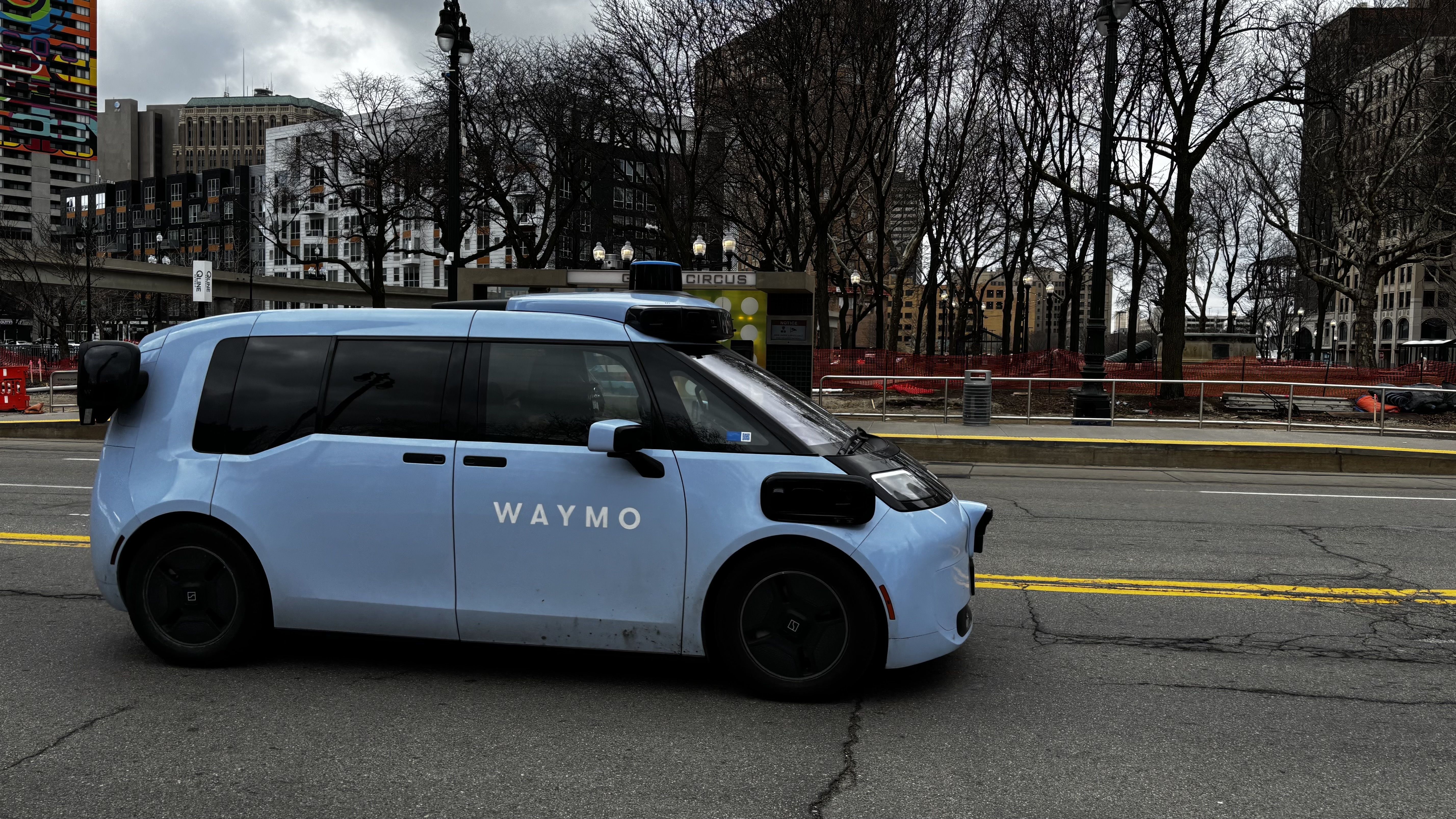
Zoom in: In Detroit, Waymo is testing autonomous vehicles with a trained specialist at the wheel and plans to transition to fully driverless operations later this year. It has not said when rides will be available to the public.
State of play: The company plans to operate within Detroit's existing infrastructure and has met "multiple times" with city and state officials to discuss safety and accessibility benefits, spokesperson Chris Bonelli tells Axios.
The other side: Detroit officials say they're drawing lessons from the city's own autonomous vehicle pilots, including programs focused on cold weather and service for seniors and residents with disabilities.
- "We see great promise in this technology and will continue to work to ensure that safe, inclusive, and reliable transportation technologies benefit all Detroiters," the city's Office of Mobility Innovation said in a statement.
Between the lines: Regulatory authority over Waymo's arrival in Detroit is fragmented.
- Enforcement of traffic laws is handled by local law enforcement, while vehicle safety is regulated federally by the National Highway Traffic Safety Administration.
The bottom line: With no single entity in charge, Waymo's success in Detroit may hinge on coordination as much as the technology itself.