Dearborn health leader joins Sheffield administration

Add Axios as your preferred source to
see more of our stories on Google.
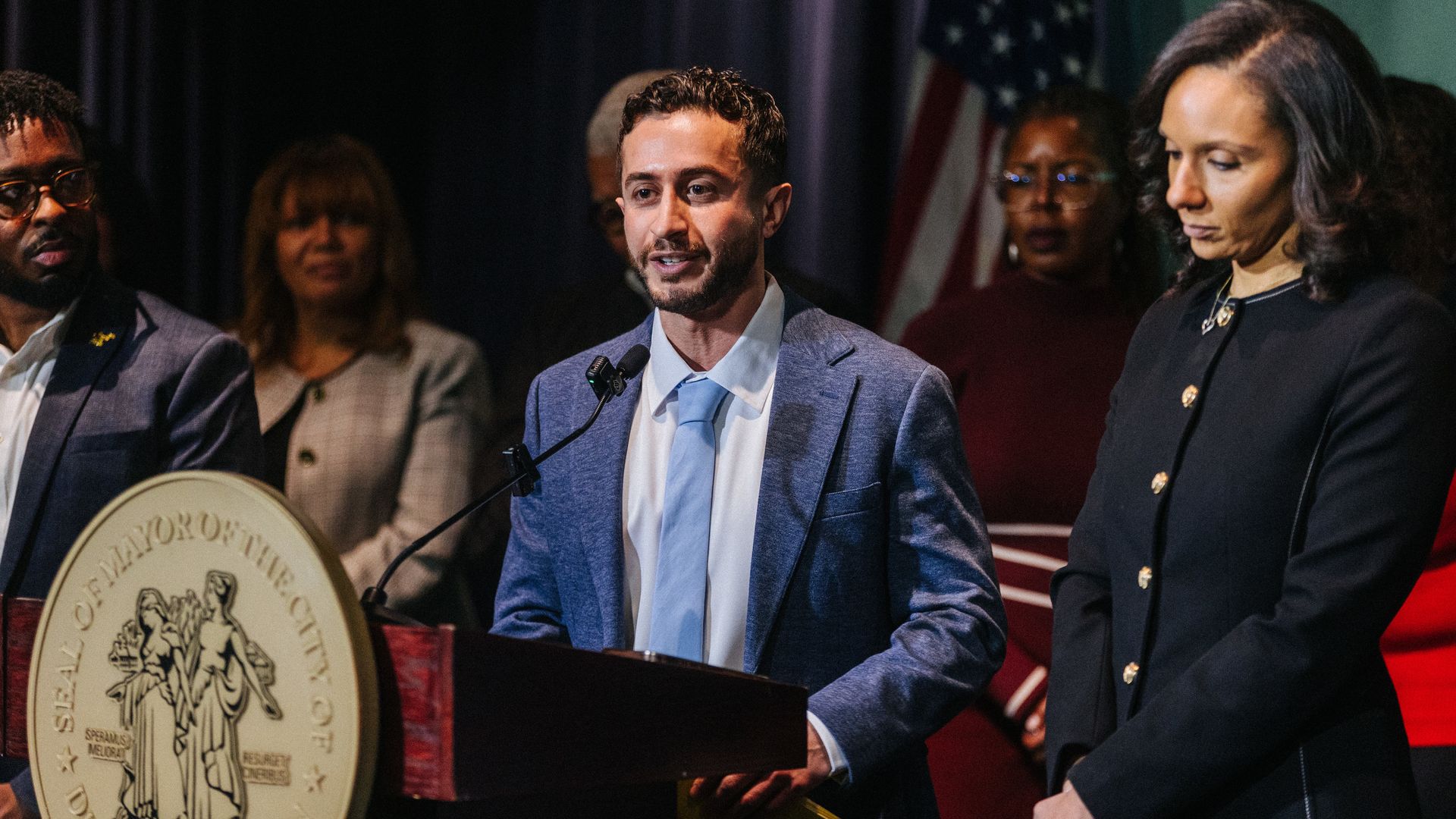
Ali Abazeed, Detroit's new chief public health officer. Photo: Courtesy of the city of Detroit via Flickr
The leader of Dearborn's recent public health push, Ali Abazeed, is starting a new job in Detroit as chief public health officer.
Why it matters: Improving the health of residents in a city dealing with major health inequities is a key puzzle piece for Mayor Mary Sheffield's new administration.
State of play: Abazeed will work closely with other city execs, including recently named anti-poverty chief Luke Shaefer, as Sheffield looks to incorporate health into policies across all departments.
- The mayor wants an innovative approach that addresses chronic diseases, lead poisoning, asthma and maternal and infant health.
- The health department provides immunizations, restaurant inspections, efforts to reduce childhood lead poisoning, programs for youth and other services.
Catch up quick: Abazeed was the founding director of Dearborn's public health department, established in 2022, where his work included reducing drug overdoses and monitoring air quality. Dearborn and Detroit are Michigan's only two cities with standalone health departments.
- Abazeed previously worked at the federal level in the U.S. Department of Health and Human Services and National Institutes of Health.
- He replaces Denise Fair Razo, who oversaw Detroit's pandemic response.
What they're saying: "I promise you, we're going to work our asses off to build a department that you can be proud of and something that you trust," Abazeed said during a press conference Monday.
Between the lines: Abazeed, the son of Syrian refugees, was raised in Dearborn near Detroit's border.
- He says growing up with asthma taught him that "your ZIP code tends to be a better predictor of your health than your genetic code."
Zoom out: A 2024 Detroit community health survey — the first such assessment since 2018, with nearly 6,300 responses — called out top issues like infant and maternal care. It found that just 27% of respondents had access to children's health care.
- Participants also targeted lack of affordable healthy food options, illness rates tied to poor air quality, and the need for better access to high-quality, affordable preventative health care.
The bottom line: "No parent views their kids' childhood asthma as something that's separate from transportation barriers, economic stress … So why in the world do we treat it like it is siloed?" Abazeed says.