Detroit and Michigan face challenges with preterm birth rate


Add Axios as your preferred source to
see more of our stories on Google.
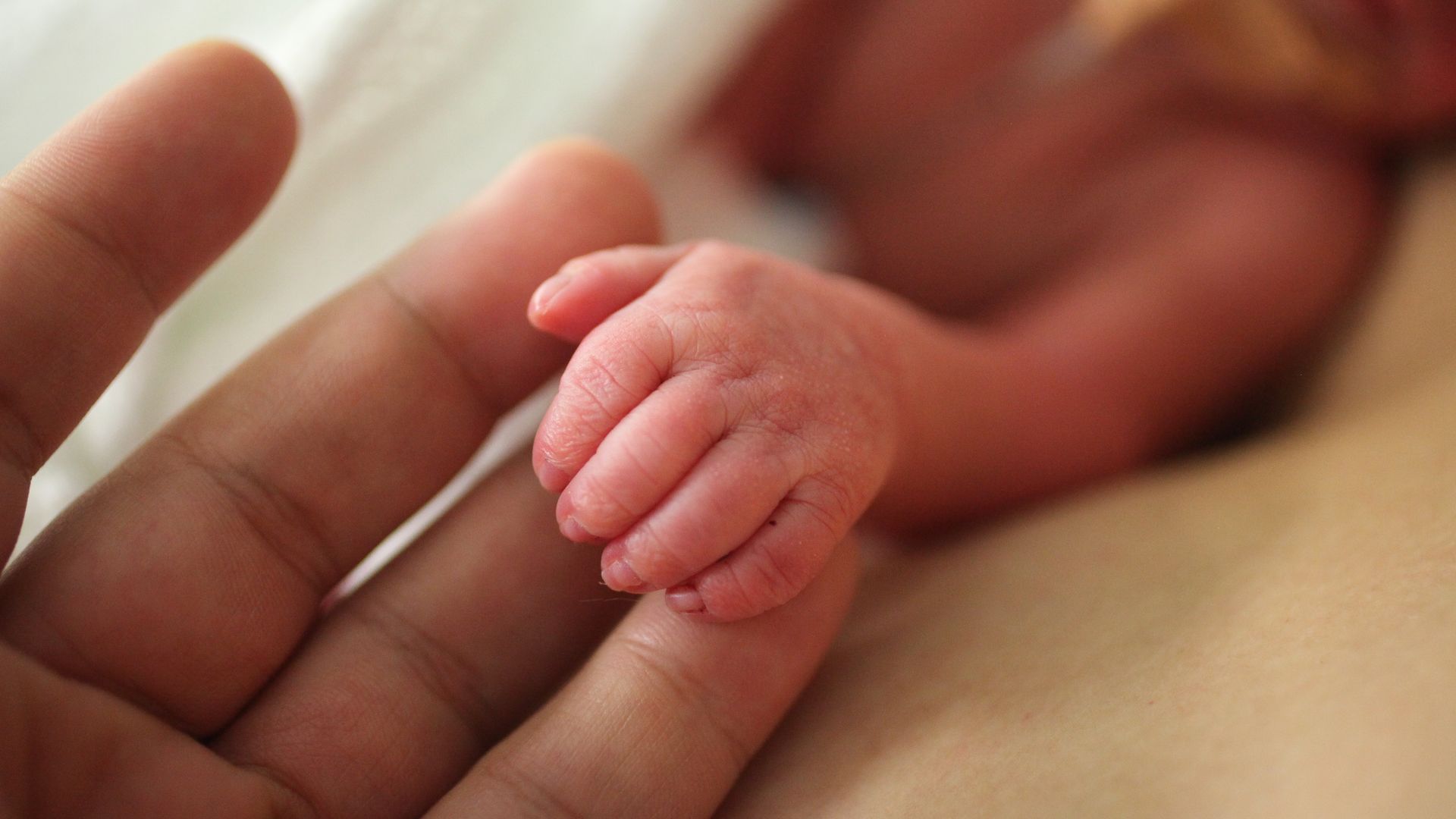
A premature newborn's hand. Photo: Jennifer Polixenni Brankin/Getty Images
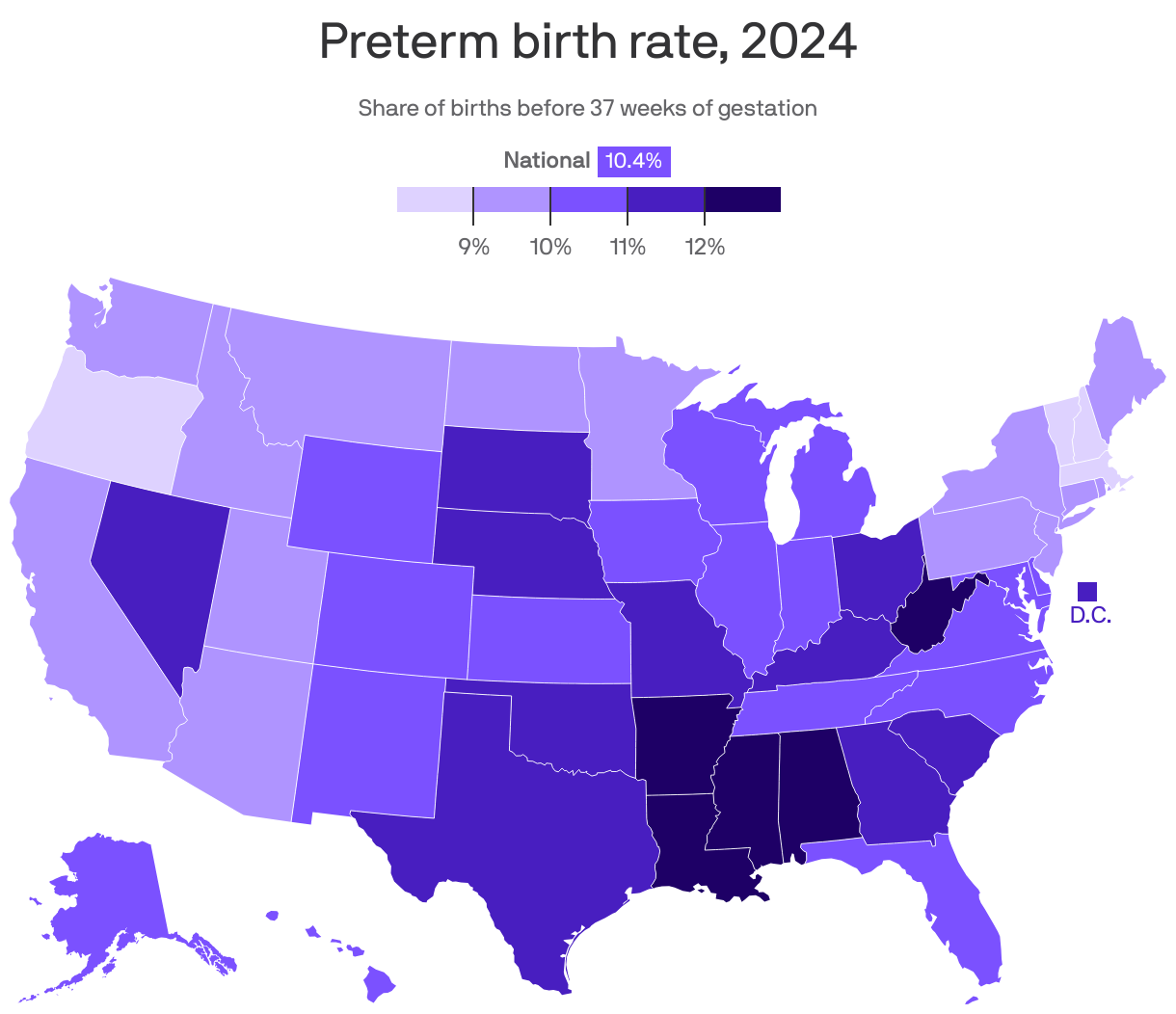
Michigan's rate of babies born preterm has steadily increased over the past decade, and Detroit has the highest rate of any major U.S. city, per an annual report from March of Dimes.
Why it matters: The report underscores where the biggest gaps persist in equity, access and maternal care.
- It should be a "wake-up call" that change is needed across the U.S., says Michael Warren, the chief medical and health officer of March of Dimes, a nonprofit focused on ending preventable preterm birth and infant death.
Context: Preterm babies — those born before 37 weeks of pregnancy — may not be fully developed at birth, leading to more health problems like breathing issues, difficulty maintaining body temperature, and risk of developmental delays later, according to the Cleveland Clinic.
By the numbers: Michigan's rate in 2024 was 10.7%, amounting to more than 10,000 babies born preterm and earning the state a D+ report card from March of Dimes.
- That's up about 1 percent from a decade ago and was slightly higher than the national rate of 10.4%, per CDC data cited in the report.
- Detroit's preterm birth rate was 16.6%, the highest rate of all 100 U.S. cities with the greatest number of live births.
Yes, but: Michigan is implementing five of six health initiatives identified by the March of Dimes to improve maternal and infant health — including a maternal mortality review committee, postpartum screenings, Medicaid expansion and more.
Between the lines: There are major infant health discrepancies when it comes to race, Warren tells Axios.
- 9.5% of babies born to white mothers were preemies.
- 14.7% of babies born to non-Hispanic Black mothers were preemies.
What we're hearing: "There's no biological reason" for the major state and racial differences in preterm-birth rate, Warren says.
- Instead, factors like poverty, housing stability and discrimination influence these health outcomes, he says.
Zoom in: "I think that we don't take into account economic [factors], and how that stress really leans into [complications during pregnancy]," Tamika Jackson of Detroit-based advocacy organization Mothering Justice, told Michigan Public.
- "It's also the experience of going into the hospital and really feeling like they're on a conveyor belt … A lot of what I hear from the moms is, 'I knew something was wrong, but they wouldn't listen."
What we're watching: Whether funding cuts from President Trump's "big, beautiful bill" lead to more maternity-care deserts across the country.