Iowa reports more tick bites, illnesses


Add Axios as your preferred source to
see more of our stories on Google.
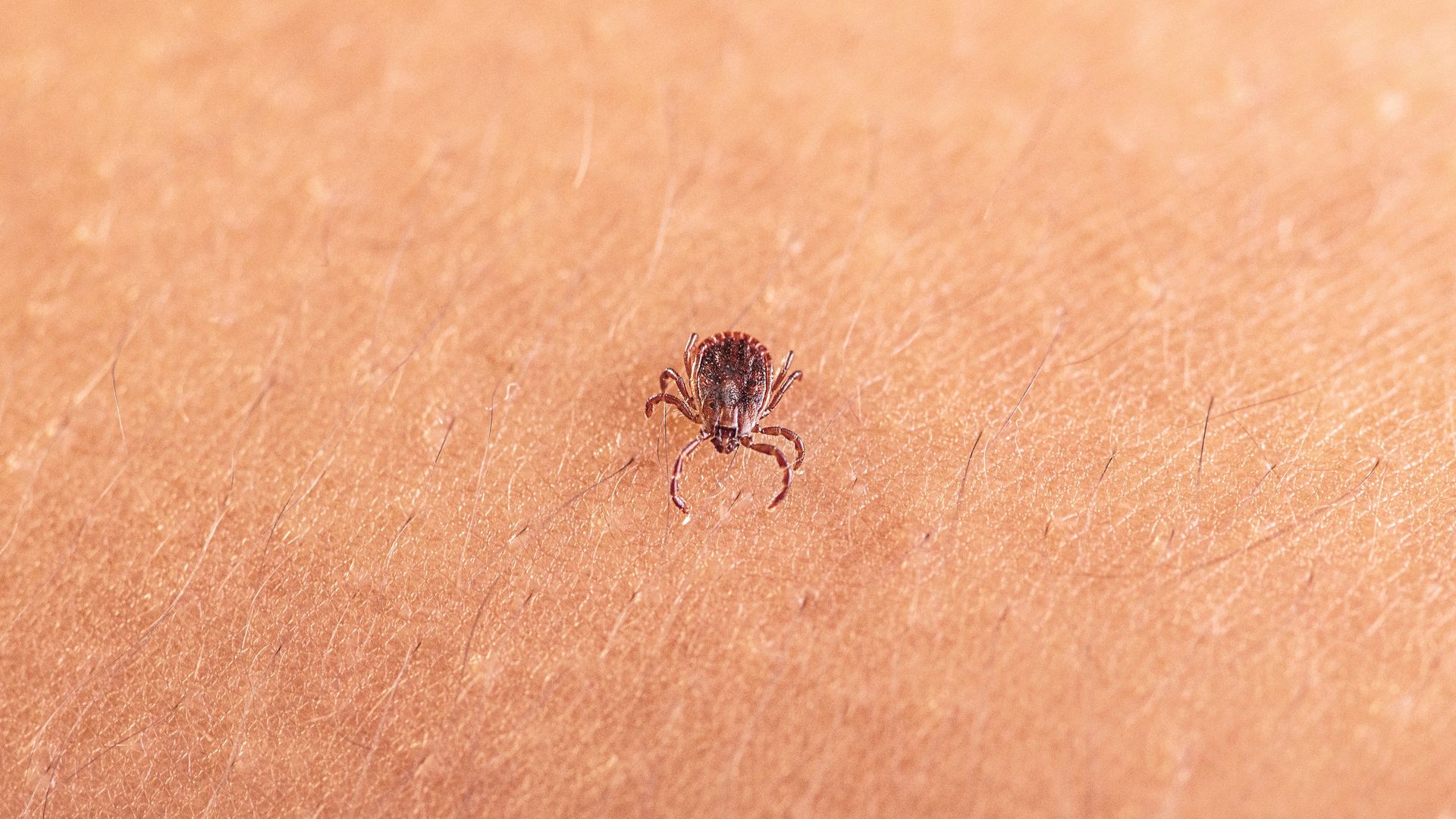
The female Asian longhorned tick can lay thousands of eggs without a male to reproduce. Photo: Smith Collection/Gado/Getty Images
Iowa is entering a more complex era of ticks, marked by earlier bite reports, shifting disease patterns and a new invasive threat to cattle.
Why it matters: Tick bites can make people seriously ill.
Driving the news: The Iowa Department of Health and Human Services (HHS) recently warned that ER visits for tick bites were higher than normal in April, but it did not release state-specific data.
- Preliminary CDC data show that tick bites in the Midwest region nearly doubled year over year, rising from 70 per 100,000 ER visits in April 2025 to 137.
Context: Iowa ended last year with fewer Lyme disease reports but higher reports of other tick-borne illnesses, including Rocky Mountain spotted fever, anaplasmosis, ehrlichiosis and babesiosis, compared with the prior year.
- HHS also warned that more Iowans were getting diagnosed with alpha gal, which causes an allergy to red meat.
State of play: Iowa confirmed the presence of the Asian longhorned tick and the cattle disease it can carry, Theileria orientalis Ikeda, for the first time last year in a Van Buren County herd, where 20 heifers died.
- The tick, first identified in the U.S. in 2017, has now been confirmed in at least 26 states and has an explosive reproductive capacity that allows it to establish itself quickly.
- There are no approved treatments for Theileria in the U.S., so prevention relies on control and biosecurity.
Threat level: Theileria is not considered a human health threat, but is dangerous to the state's herd, already at decades-low levels.
The big picture: In April, all CDC regions except the south/central U.S. had their highest tick-bite ER visit rates for this time of year since 2017
- Warmer seasons, shorter winters, humidity, habitat shifts and host animals can all influence tick activity and exposure.


Reality check: Most tick bites don't require emergency care, Addie Olson, a spokesperson for the Polk County Health Department, tells Axios.
Zoom in: Avoid ticks by using insect repellent, wearing treated clothing and steering clear of tall grass, brush and wooded edges.
- The CDC's tick-bite tool walks people through how to remove ticks, what symptoms to watch for, and when to seek medical help.
What we're watching: Whether early ER visits continue to escalate, and this year's number of diseases transmitted to humans by ticks.