DART proposes cutting 27 bus routes to 10 in a major redesign

Add Axios as your preferred source to
see more of our stories on Google.
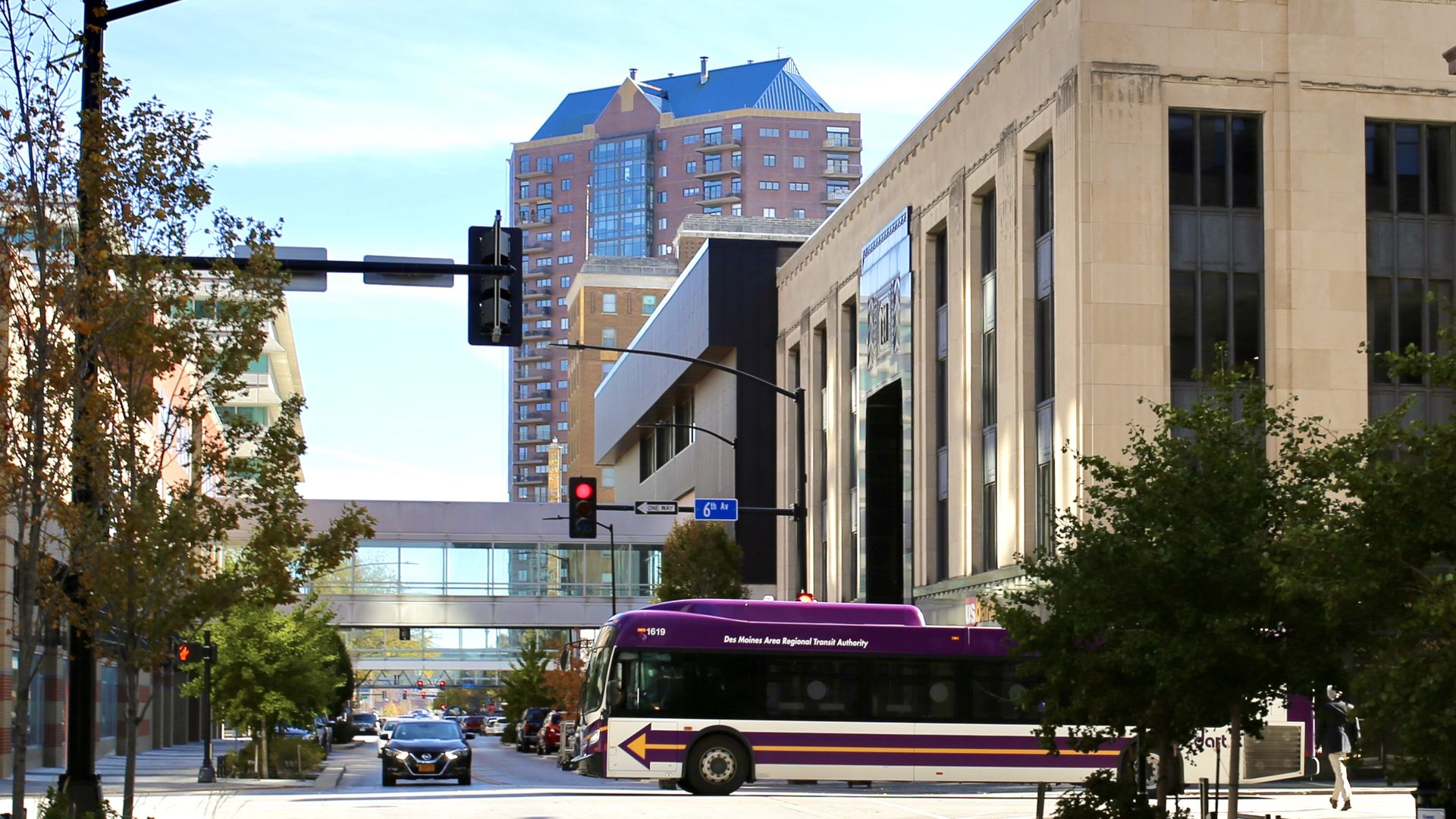
DART provided 3.75 million rides between July 2024 and June 2025, a 7% increase from the previous year. Photo: Courtesy of DART
DART wants to slash its 27 fixed-route bus network by more than half.
Why it matters: If approved, the reorganization and its proposed 10 main routes would increase the system's usability, making rides faster and more reliable, a consultant told commissioners Tuesday.
Catch up fast: Earlier this year, DART launched its "Reimagine" project, which aims to modernize and better align services with current travel patterns.
- The public transit agency asked the public to weigh in on whether buses should reach more people or go to more places, flagging summer 2026 for its rollout.
- This week's proposed redesign follows years of budget challenges and is the network's first major overhaul in over a decade.
Driving the news: The proposed network would shift most bus services to eight routes that run every 30 minutes most of the day and two others that would have service every hour.
- They would connect downtown and places like Merle Hay Mall with Ankeny, Altoona, Windsor Heights, West Des Moines, Urbandale and Clive.
State of play: The proposal includes fewer bus stops, which would speed up travel times for many trips but require some people to walk longer distances to catch a ride, according to Jarrett Walker + Associates, a consultant hired by DART.
- "Microtransit zones" would be created in Ankeny, Altoona, Clive, and Urbandale to transport people to select destinations via on-demand booking.
Zoom in: Service hours would generally begin an hour later and end an hour earlier on weekdays and an hour earlier on Saturdays to reduce total hours of services when ridership is the lowest.
- The new hours, beginning in June 2026, would be: Monday through Saturday, 6am to 10pm, and Sunday, 7am to 7pm.
The intrigue: Under the plan, DART's operating budget would decrease slightly from $45 million to $43.7 million in the fiscal year that begins in July 2026, partly due to the hours-of-service reduction, Erin Hockman, the transit's chief strategy officer, tells Axios.
What they're saying: Improving reliability and frequency along key corridors would make the proposed new routes more useful for a greater number of people, per Jarrett Walker + Associates
- Overall, the proposed network would allow the average resident to reach around 20% more job sites in 45 minutes or less, per Ricky Angueira, a consultant with Jarrett.
- "Yes, there's going to be some people who like it, some people who don't and we're going to hear from all of them, but I think being able to increase access with fewer resources is pretty remarkable," DART CEO Amanda Wanke told the commission Tuesday.
Inside the room: DART commissioners are discussing ways communities like Grimes and Pleasant Hill can return or continue with their membership in the regional transit system via paratransit options, Wanke tells Axios.
- Those communities pulled their memberships in recent years over concerns about cost and service.
What's next: DART is seeking public input through September, including an online and print survey and at least nine public meetings around the region.
- DART commissioners will consider potential changes to the draft proposal and vote on the changes before the end of the year.