How to hack the time change

Add Axios as your preferred source to
see more of our stories on Google.
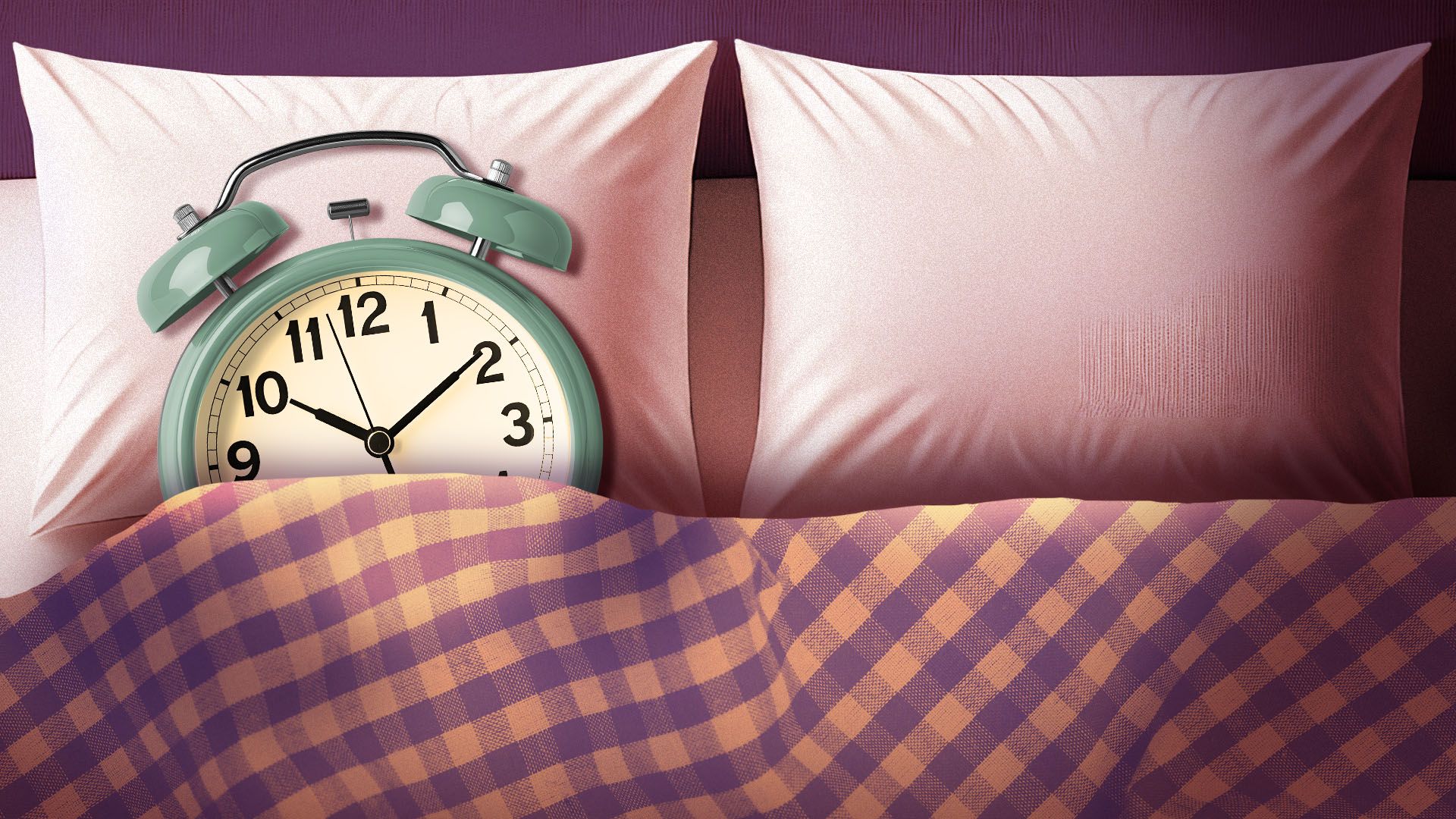
Illustration: Sarah Grillo/Axios
Your phone knows the clocks fall back an hour at 2am Sunday. Your brain — not so much.
Why it matters: Changing the clock can leave your body feeling jet-lagged — without ever leaving Colorado.
Yes, but: A few small tweaks can ease the transition, Renske Lok, a circadian biologist at the University of Colorado Boulder who studies the body's internal clock, tells Axios.
Here's how to hack it:
- 🛌 Start tonight. Shift your bedtime and wake-up time back by 10–12 minutes a day to give your internal clock a head start.
- 👶 Parents, beware. Babies and young kids don't understand the shift to standard time, so a 6am wake-up call could become 5am.
- 💤 Don't count on bonus sleep. Data from Oura users shows they slept less overall the week after the 2024 fall time change, despite gaining an hour.
- ☀️ Chase the morning Sun. Getting outside early helps your body adjust.
The intrigue: Our internal clocks run slightly longer than a day — about 24.2 hours, Lok says.
- That makes falling back easier than springing forward, since we're naturally better at stretching our days than condensing them.
🦌 Threat level: Earlier sunsets may mean more wildlife crossing highways during evening commutes.
- Colorado state troopers responded to more than 3,900 wildlife crashes last year, with October through December being the peak season, according to the Colorado State Patrol.
- Slow down and scan roadsides, especially around dusk and dawn, officials advise.
What we're watching: Colorado lawmakers passed a law in 2022 to make daylight saving time permanent, but it's on hold pending federal approval and other states' action.
The bottom line: Lok agrees it's time to stop changing the clocks. But if she had her way, she'd keep us on standard time, where earlier winter sunrises better align with our biological clocks.