"Death by a thousand cuts": Colorado's restaurant industry in crisis

Add Axios as your preferred source to
see more of our stories on Google.
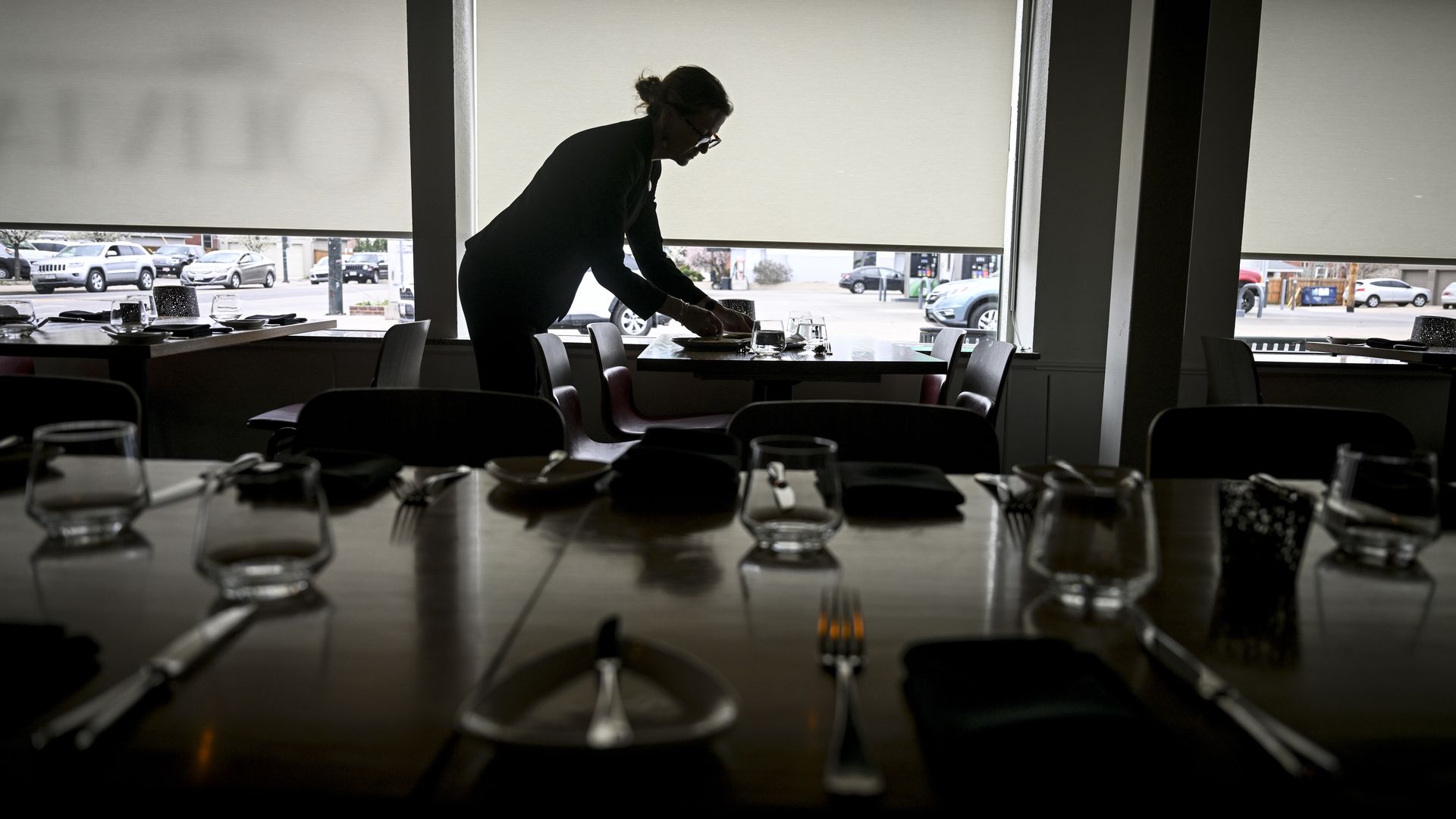
Colorado restaurants have faced immense challenges since the start of the pandemic and have yet to bounce back. Photo: AAron Ontiveroz/The Denver Post via Getty Images
New Denver restaurant openings — like Mario's Speakeasy Pizza in LoDo, Odie B's in RiNo and Bamboo Sushi in Congress Park — are increasingly the exception, not the norm.
The big picture: The food industry in Denver and across Colorado has been battered over the past five years — and it's adding up.
- Rising costs for food, rent and property taxes combined with shrinking profit margins, growing regulatory pressures and budget-conscious diners are all pushing restaurants to the brink, industry experts tell us.
By the numbers: More than 200 restaurants closed statewide in 2024, per the Colorado Sun. Denver alone accounted for 82% of those losses, according to the Colorado Restaurant Association (CRA).
- In the past three years, the city has lost 22% of its restaurants, the Denver Post reports. Some of the most recent closures include longstanding institutions like Fruition, Lao Wang Noodle House and Melita's.
What they're saying: "We're in this kind of perfect storm moment," CRA spokesperson Denise Mickelsen tells us. "It's death by a thousand cuts."
Zoom in: One major pain point is Denver's increased tipped minimum wage, which is creating ripple effects industrywide. Local restaurant consultant John Imbergamo says it disproportionately affects back-of-house staff and forces price hikes that turn diners off.
- The most recent wage hike on Jan. 1 added an average $82,412 in costs per restaurant, according to a new CRA survey of 135 operators first shared with Axios Denver.
- "That's a huge cost jump," Mickelsen says, especially for businesses already striving to hit slim 3%-5% annual profit margins.
State of play: The CRA is bracing for what it predicts to be a brutal legislative session, with proposed bills on the horizon that could:
- Make it easier for unions to organize by removing a requirement that calls for a second vote to agree on certain union rules.
- Tackle service, or "junk," fees that diners dislike but many restaurants use to pay back-of-house staff.
- Crack down on wage theft, allowing employees to sue even after back pay is issued.
What to watch: The CRA and other industry leaders are pushing their own legislative agenda to offer restaurants relief, including:
- Removing state sales taxes and gratuities from credit card swipe fees.
- Reforming tipped minimum wage laws to raise back-of-house pay.
The bottom line: "We have to do something to help restaurants right now, or we're just going to keep losing them," Mickelsen warns.