Why the Ohio State Fair AI poster struck a nerve

Add Axios as your preferred source to
see more of our stories on Google.
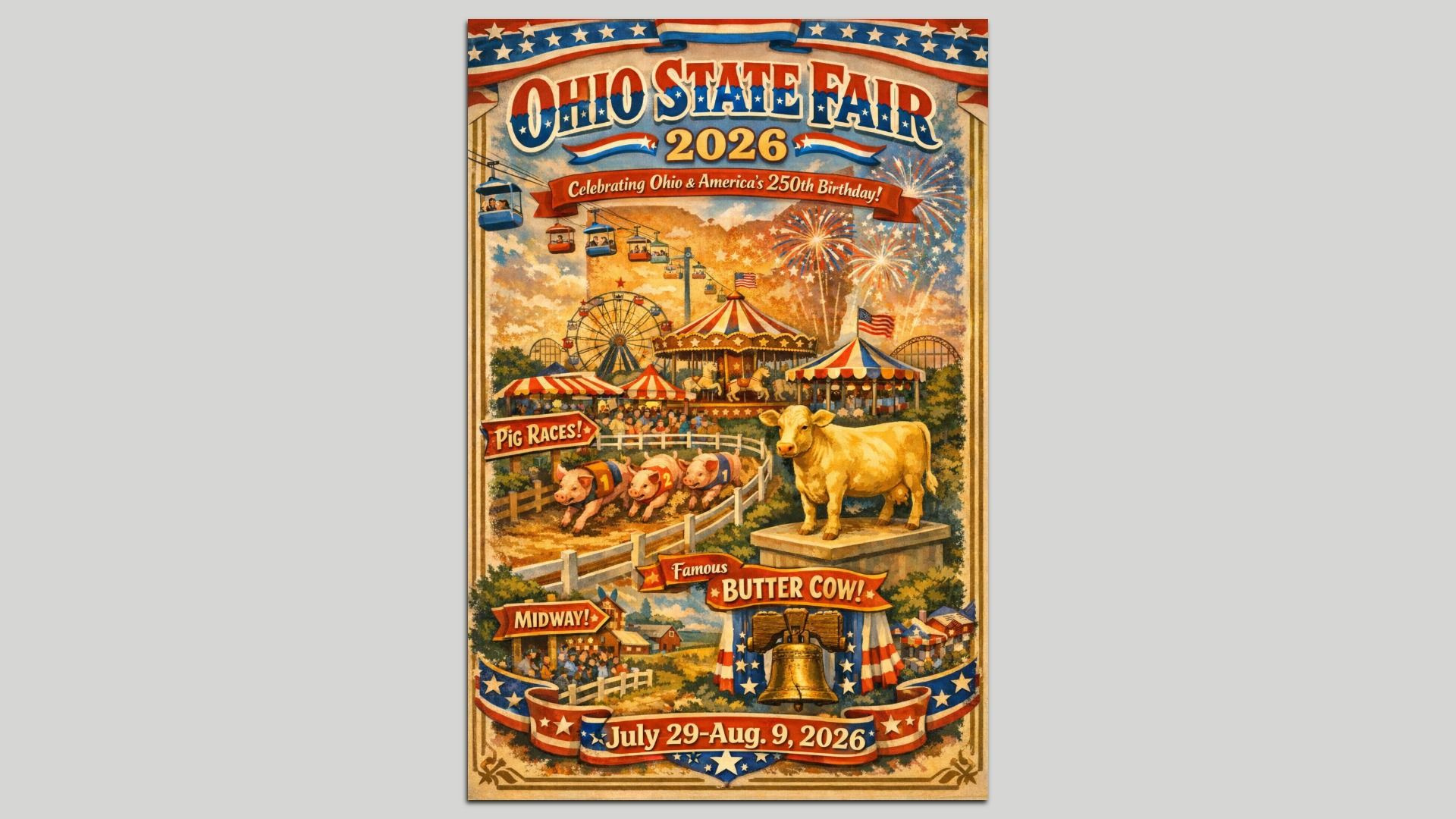
This controversial design beat 37 other competitors. Images: Courtesy of the Ohio State Fair
The recent public outrage over an AI-generated poster winning an Ohio State Fair art contest is about much more than how it looks, experts tell Axios.
Why it matters: As low-effort posters and fliers proliferate, they're becoming lightning rods for broader anxieties about authenticity, trust and AI's growing impact on everyday life.
Catch up quick: The fair contest asked participants to "create unique designs that embody many of the great things that fairgoers love," with a patriotic theme.
- Redditors quickly dubbed the first-place design "AI slop," pointing out misnumbered racing pigs, blurry objects and Philadelphia's Liberty Bell.
- The winner received a $1,000 grand prize and free daily fair access.
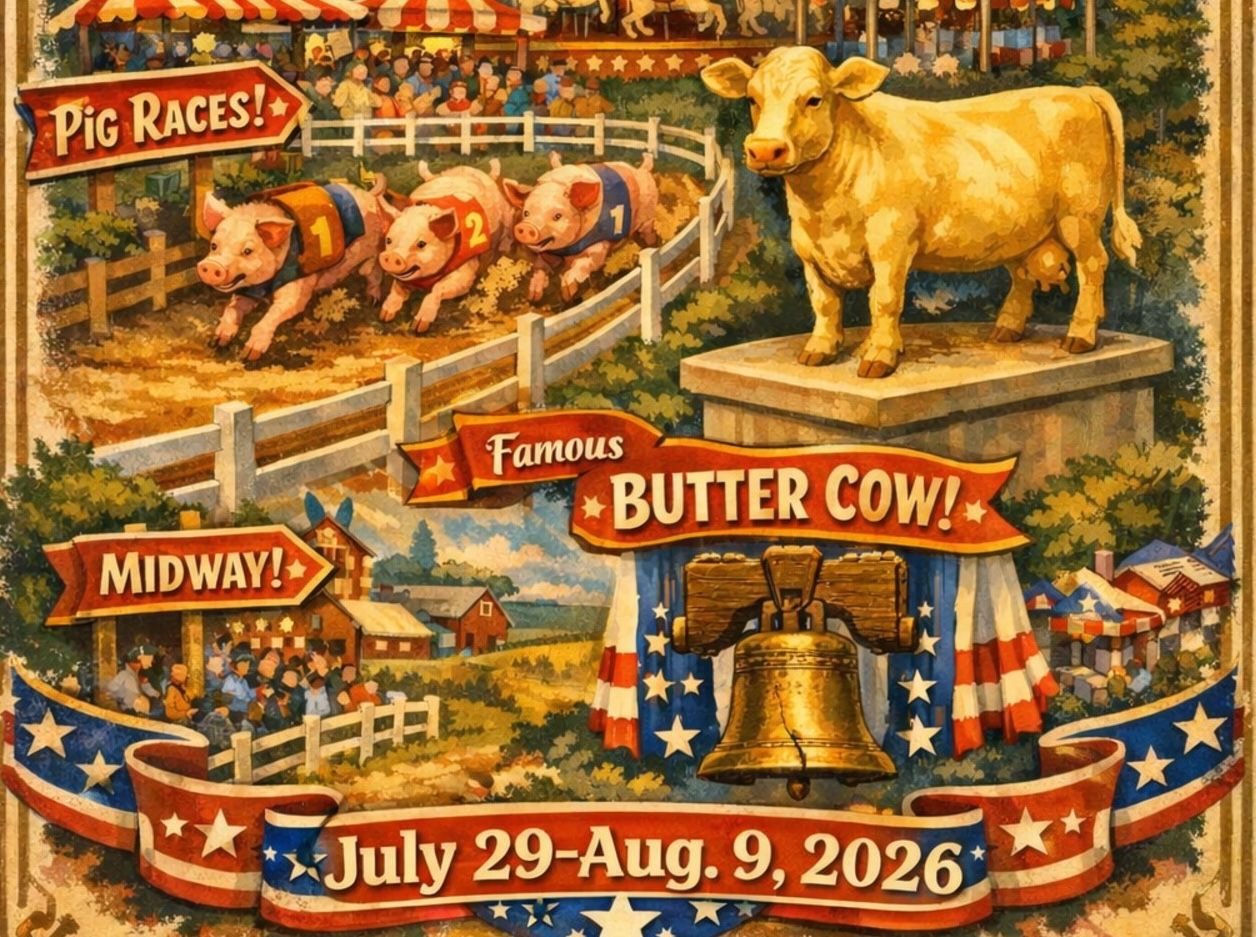
The intrigue: The poster didn't break any rules, as the contest has allowed disclosed AI use since 2024 — but that'll change next year, per a fair statement.
The big picture: Ohio isn't alone, with similar controversies at the Colorado State Fair, a California county fair and a Montana Christmas poster contest in recent years.
Between the lines: "It's about what communities believe creative recognition should reward," says Paul Shovlin, an Ohio University assistant professor of AI and digital rhetoric.
- "When people see this happen, they begin to believe a bigger picture about that institution and its values."
- For a fair — a celebration of hard-working makers and growers — that can be particularly damaging.
Friction point: AI trains on human-made creations, often without explicit consent.
- That's why criticisms go beyond AI's generic, cluttered and repetitive designs, also reflecting a perceived lack of effort and threat to human creativity.
Case in point: A recent study led by Ohio State University psychology researcher Danica Dillion found people consistently rated the same creative works lower when told AI created them.
- "People really want to feel like they're connecting with the artist's mind, connecting with another person who's depicting genuine experiences," Dillion tells Axios.
The other side: Some argue AI makes the visual arts more accessible, which often ignites debate over what even qualifies as art.
The bottom line: "In the past, people probably wouldn't have scrutinized a contest like this all that closely, but now the stakes are really high," Shovlin says.
- "We're kind of in an existential moment."