Peek inside Ohio State's biodiversity museum

Add Axios as your preferred source to
see more of our stories on Google.
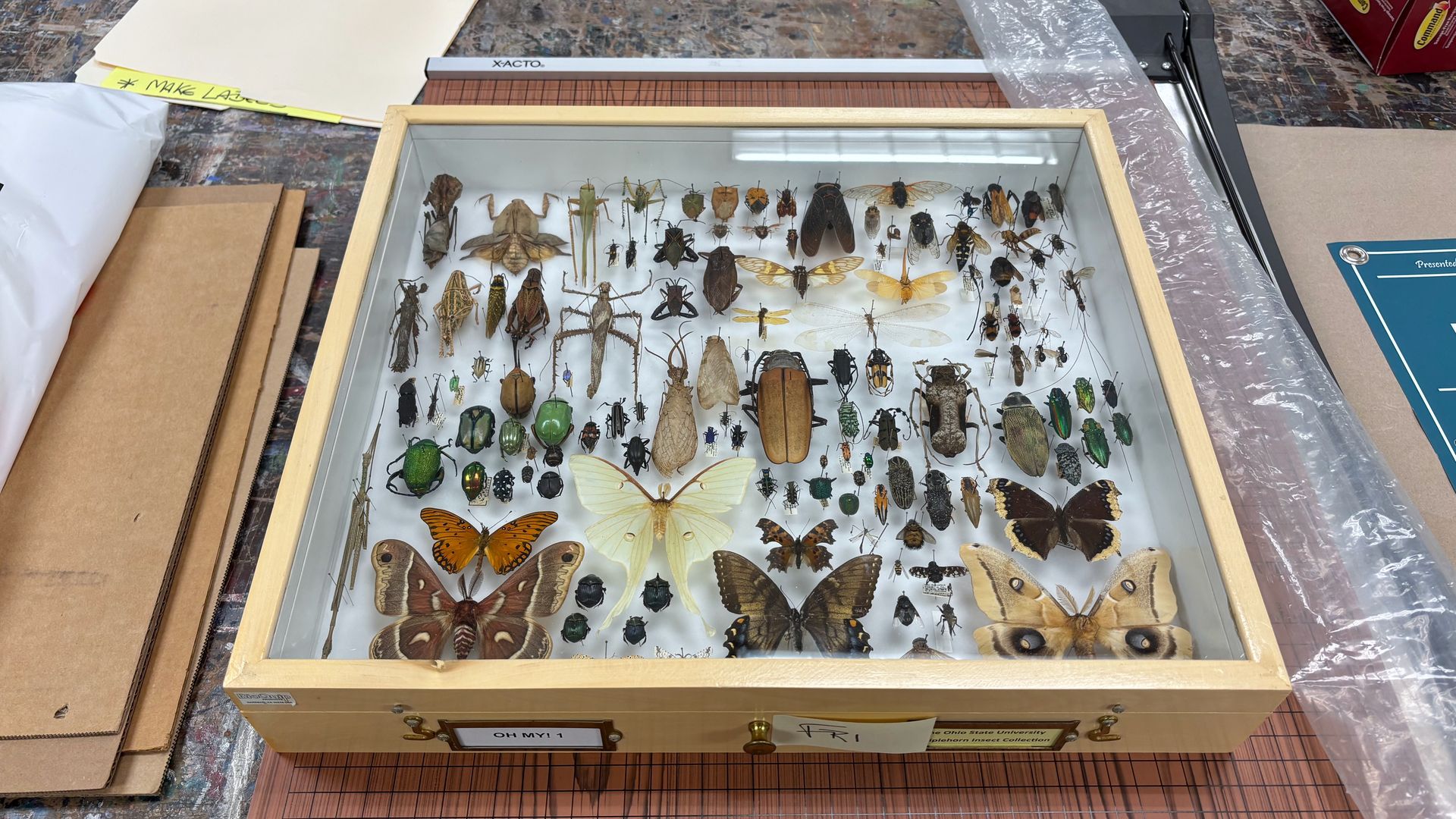
A tray of insect specimens from the Ohio State Museum of Biological Diversity collection. Photo: Alissa Widman Neese/Axios
In a nondescript building on Ohio State's west campus, dozens of scientists study the natural world — and visitors will get a rare look inside this weekend.
Why it matters: The Museum of Biological Diversity is essentially an archive of life on Earth.
- Unlike museums built for display, it's a working research hub typically closed to the public.
Yes, but: Saturday's open house will be its first since before the pandemic and furthers a push to better publicize its work.
Behind the scenes: Ahead of the event, we visited the biodiversity museum for our own tour.
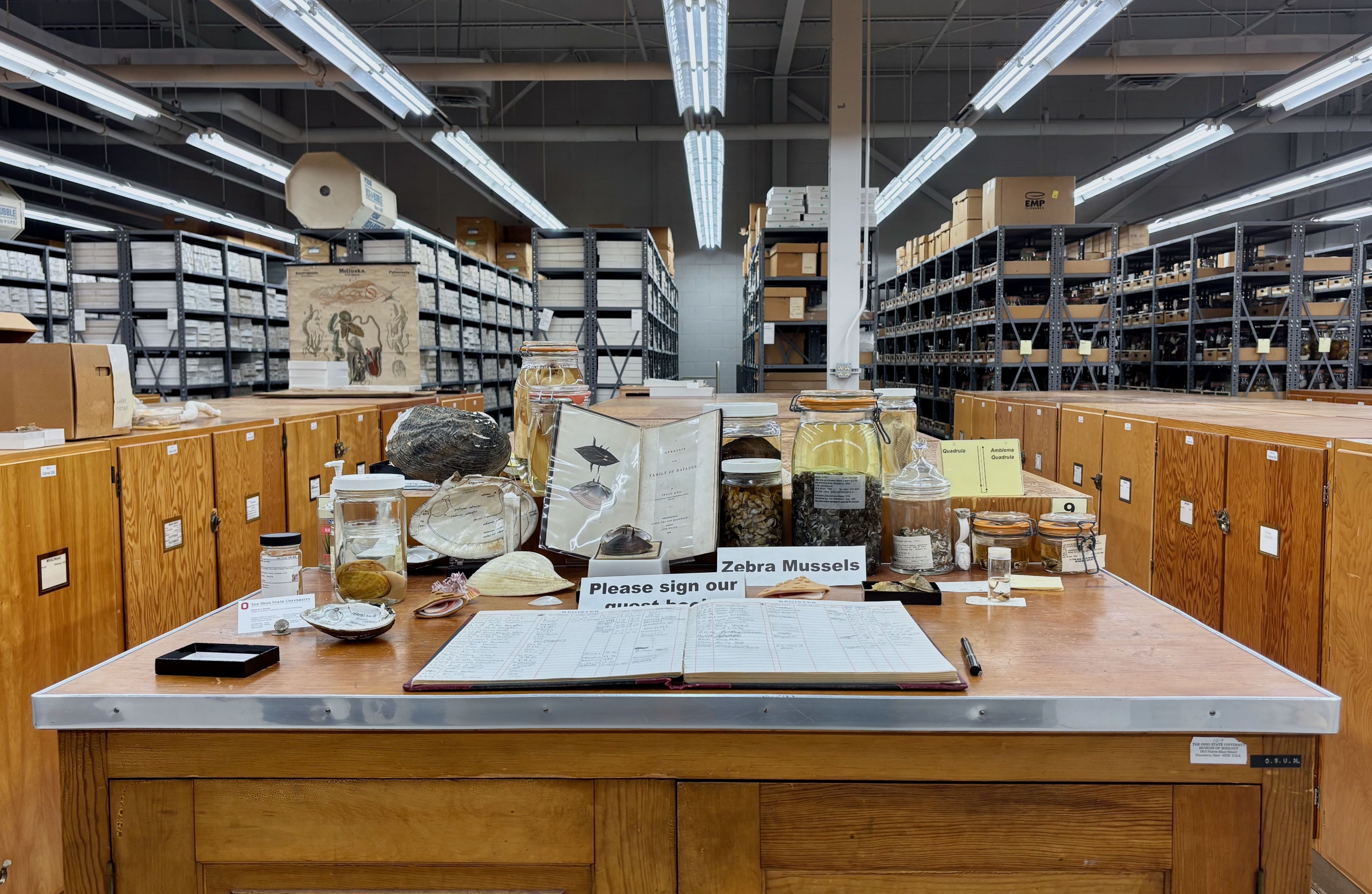
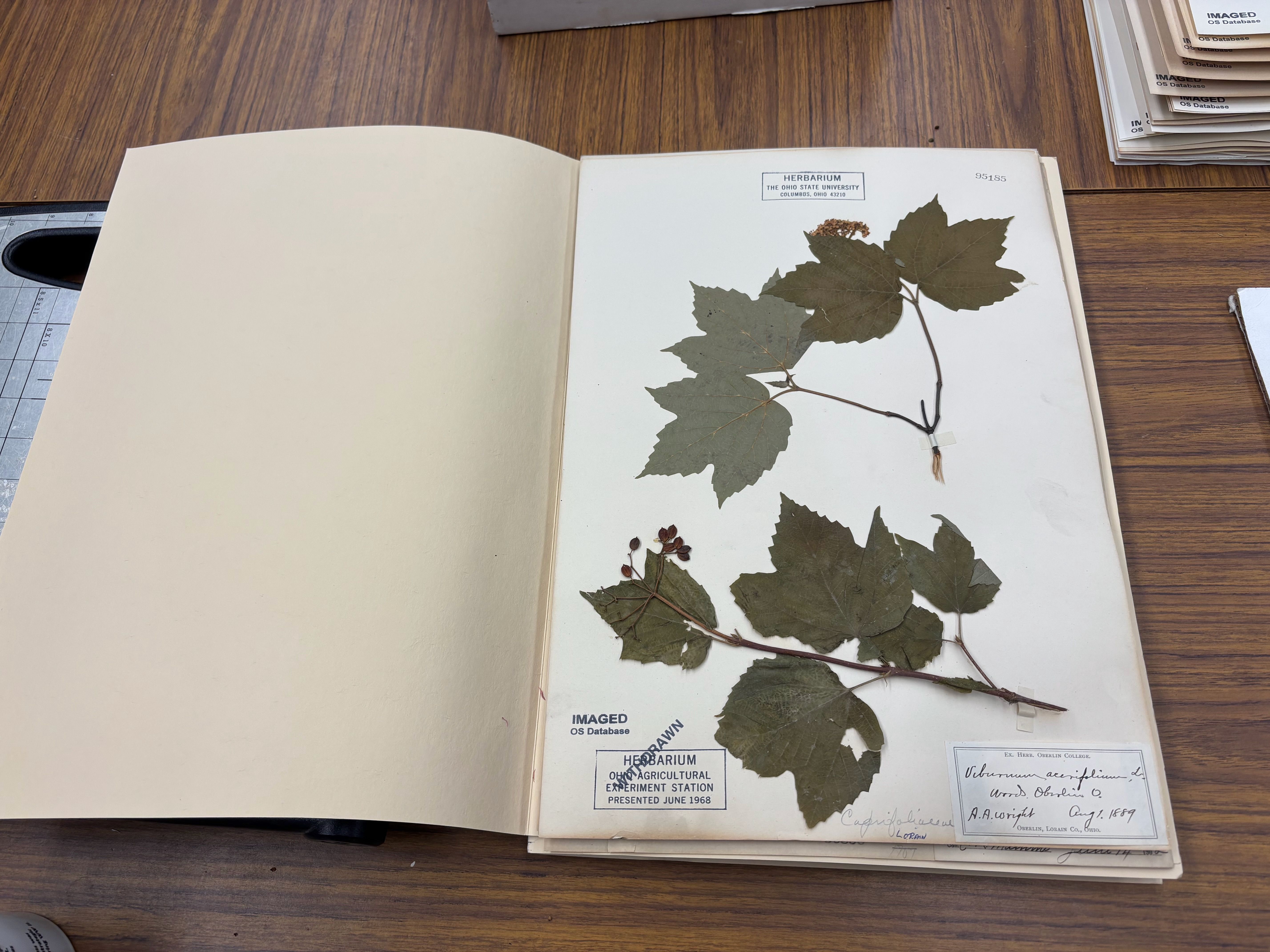
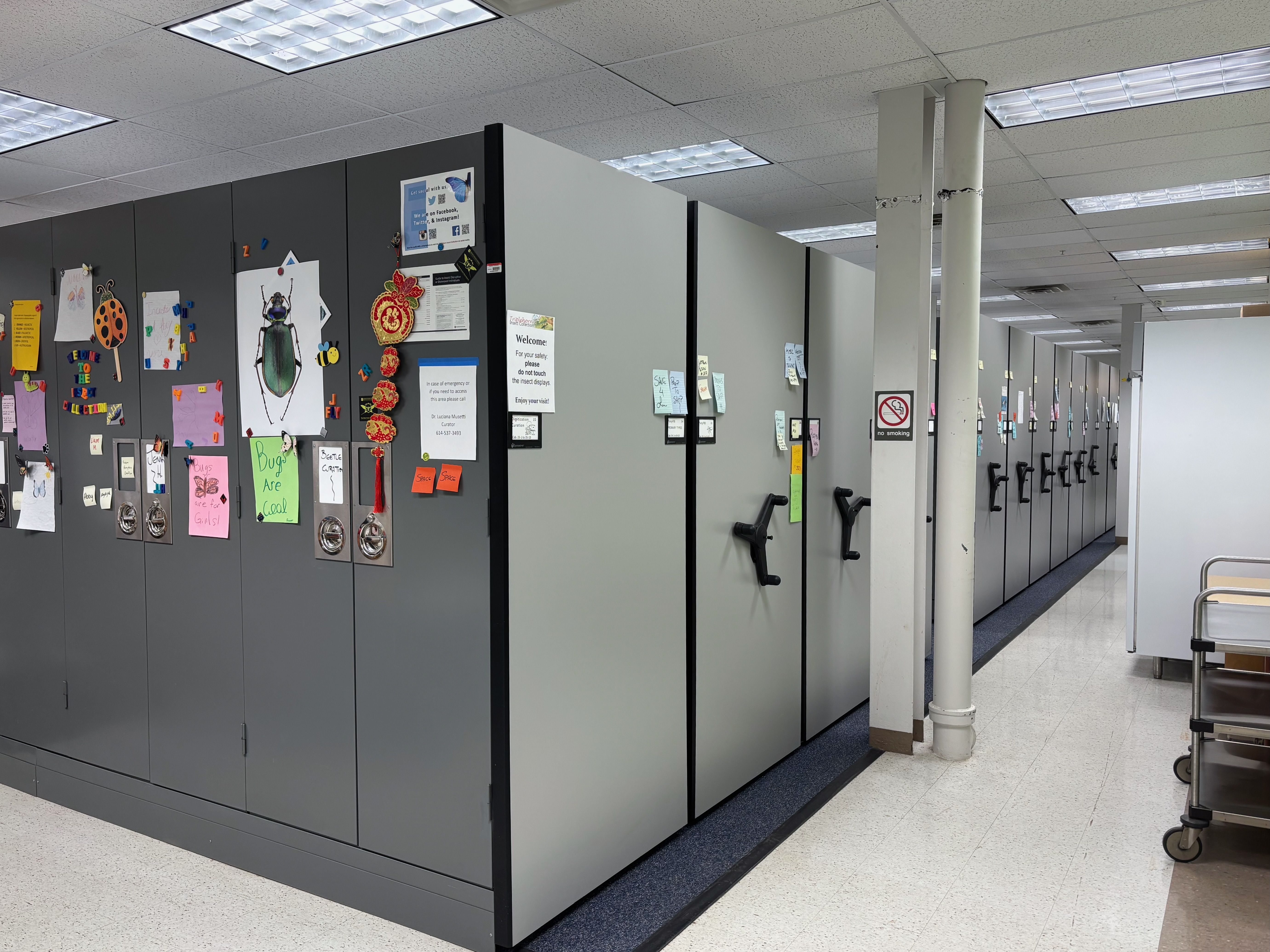
- It's home to over 20 million preserved and carefully cataloged specimens, from tiny insects to larger fish, mollusks, and plants. Some species no longer exist.
- The mollusk room is particularly impressive, with rows and rows of boxed specimens resembling a giant warehouse.
- Freshwater mussels, one type of mollusk, are the most endangered group of organisms in the U.S. The museum houses the largest collection in the world.
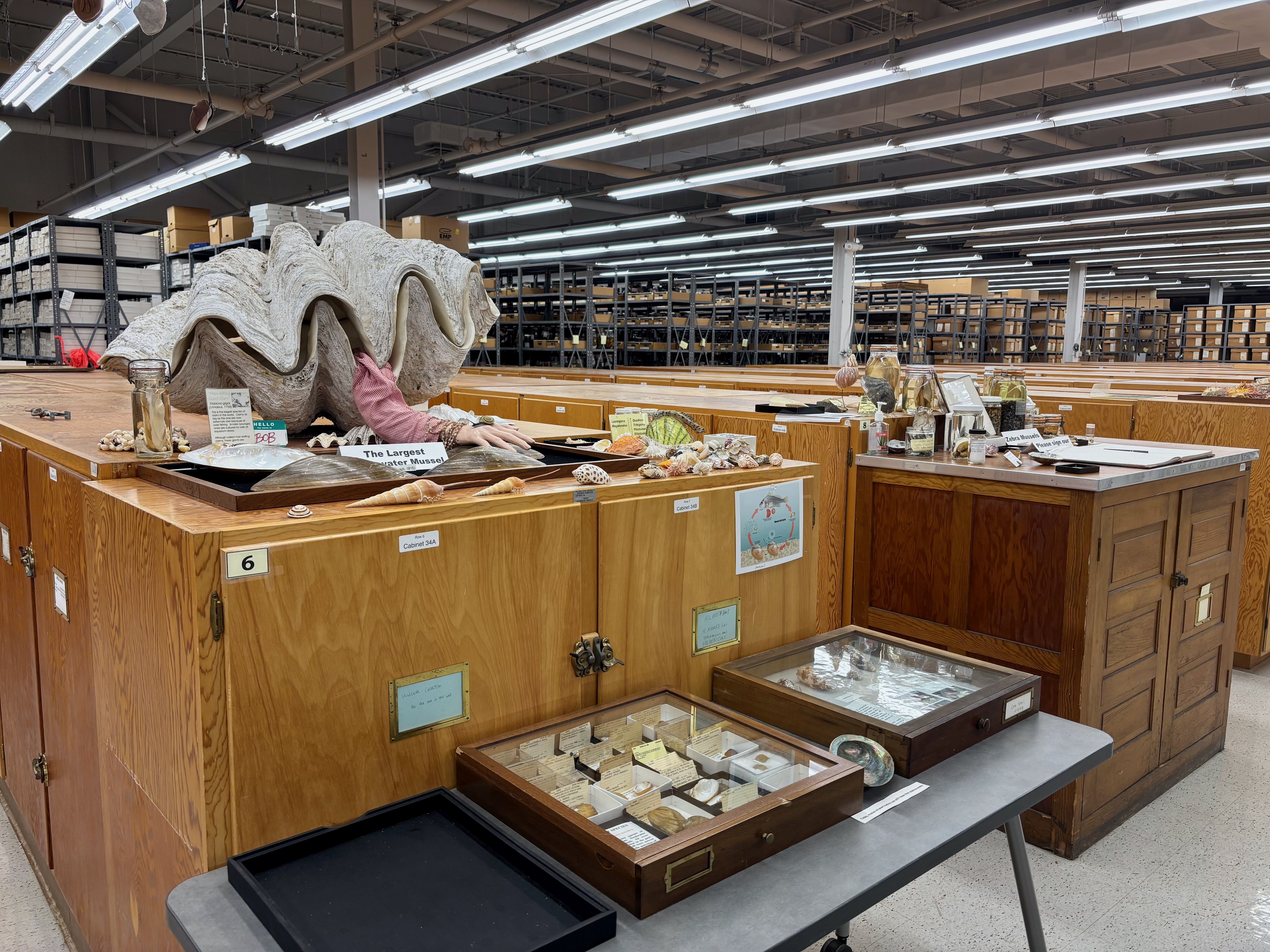
Zoom in: The Kinnear Road building dates back to 1992, but most of the collections go back over a century.
- OSU researchers use the collections to track species over time and inform conservation efforts, museum director Nathan Whelan tells Axios.
- Specimens are also loaned to researchers around the world.
1 weird thing: Afroduck, a beloved — and now taxidermied — campus waterfowl, has resided at the museum since his 2016 death. He'll be available for photographs on Saturday.
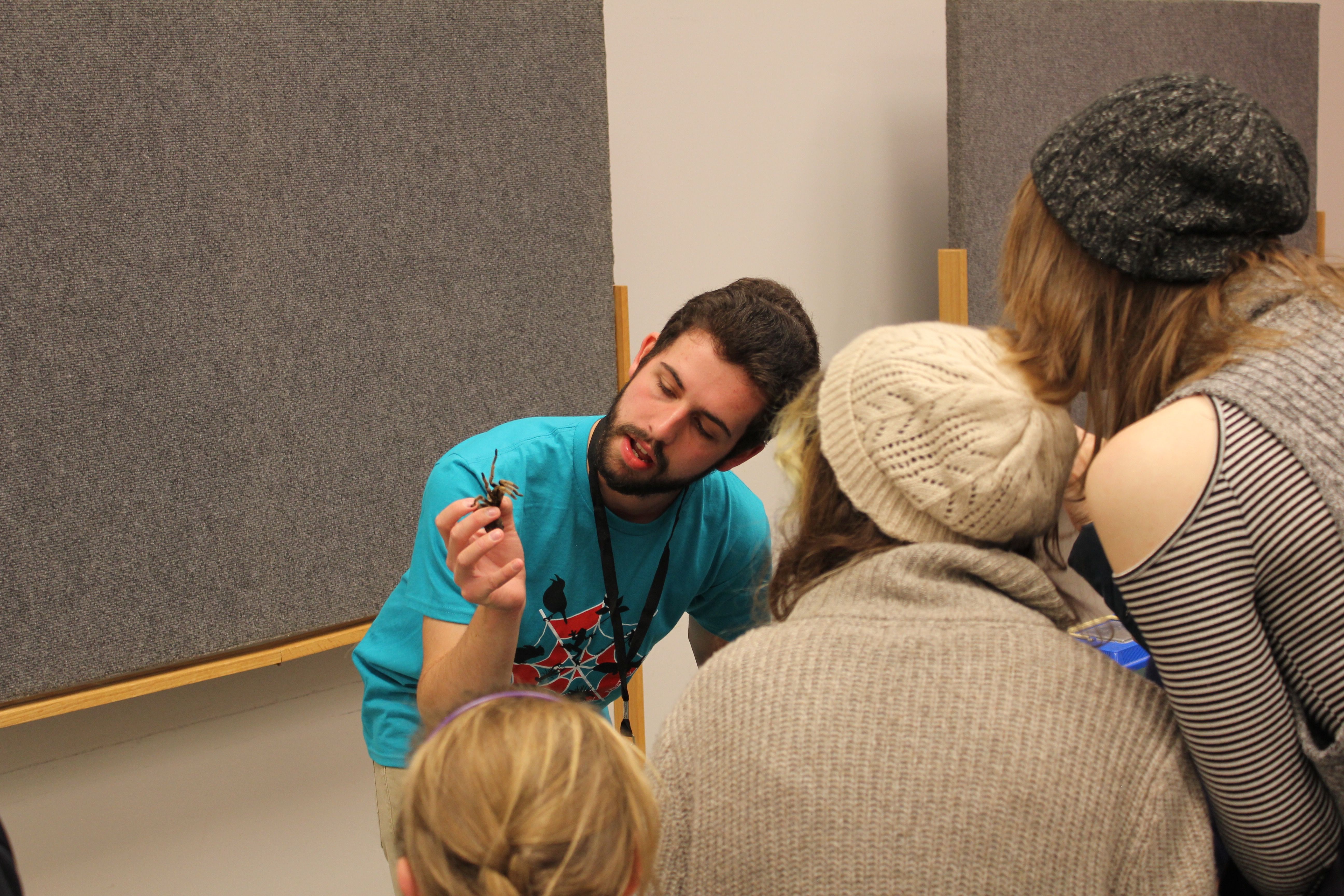
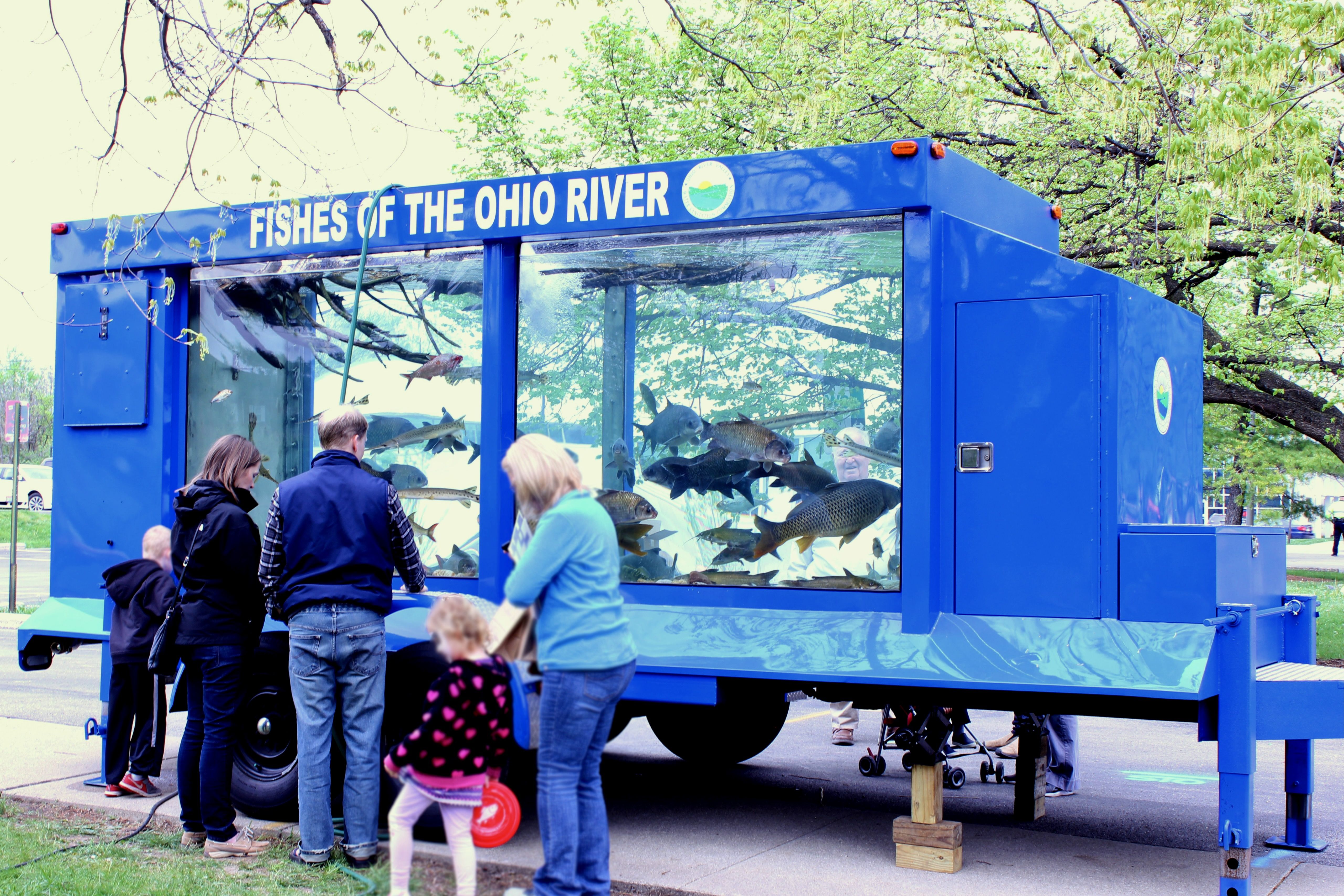
What to expect: Open house guests may also encounter formaldehyde-jar fish and dried, pinned insects, but organizers say there will be plenty of live creatures too.
- The front yard, labs and an auditorium will be set up with interactive stations so guests of all ages can become scientists for a day.
The bottom line: "You actually get to see where the research is happening," Whelan says.
Stop by: 10am-3pm Saturday, 1315 Kinnear Road. Free! Registration is encouraged.