How Ohio is helping the nation's most endangered creatures

Add Axios as your preferred source to
see more of our stories on Google.
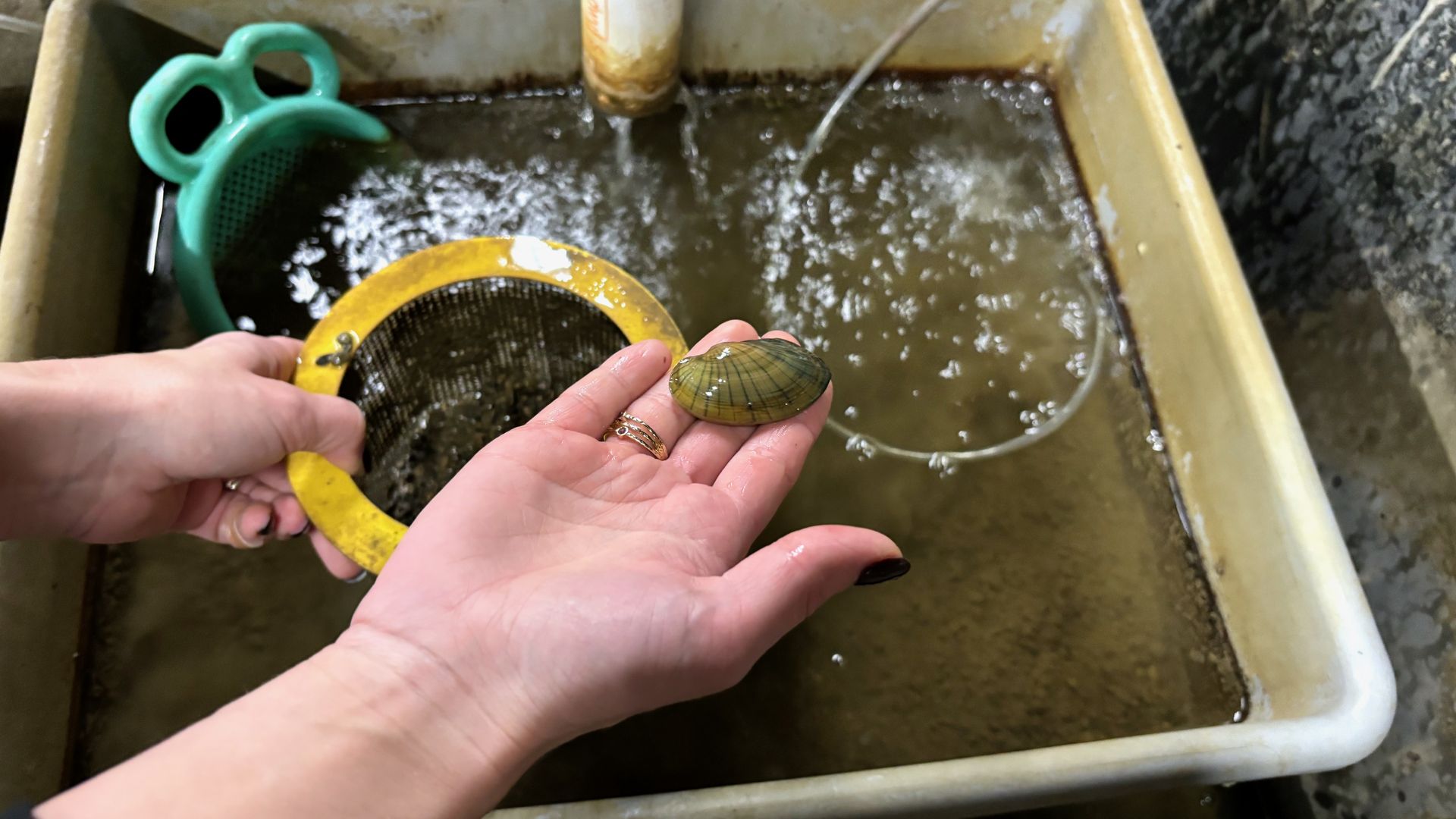
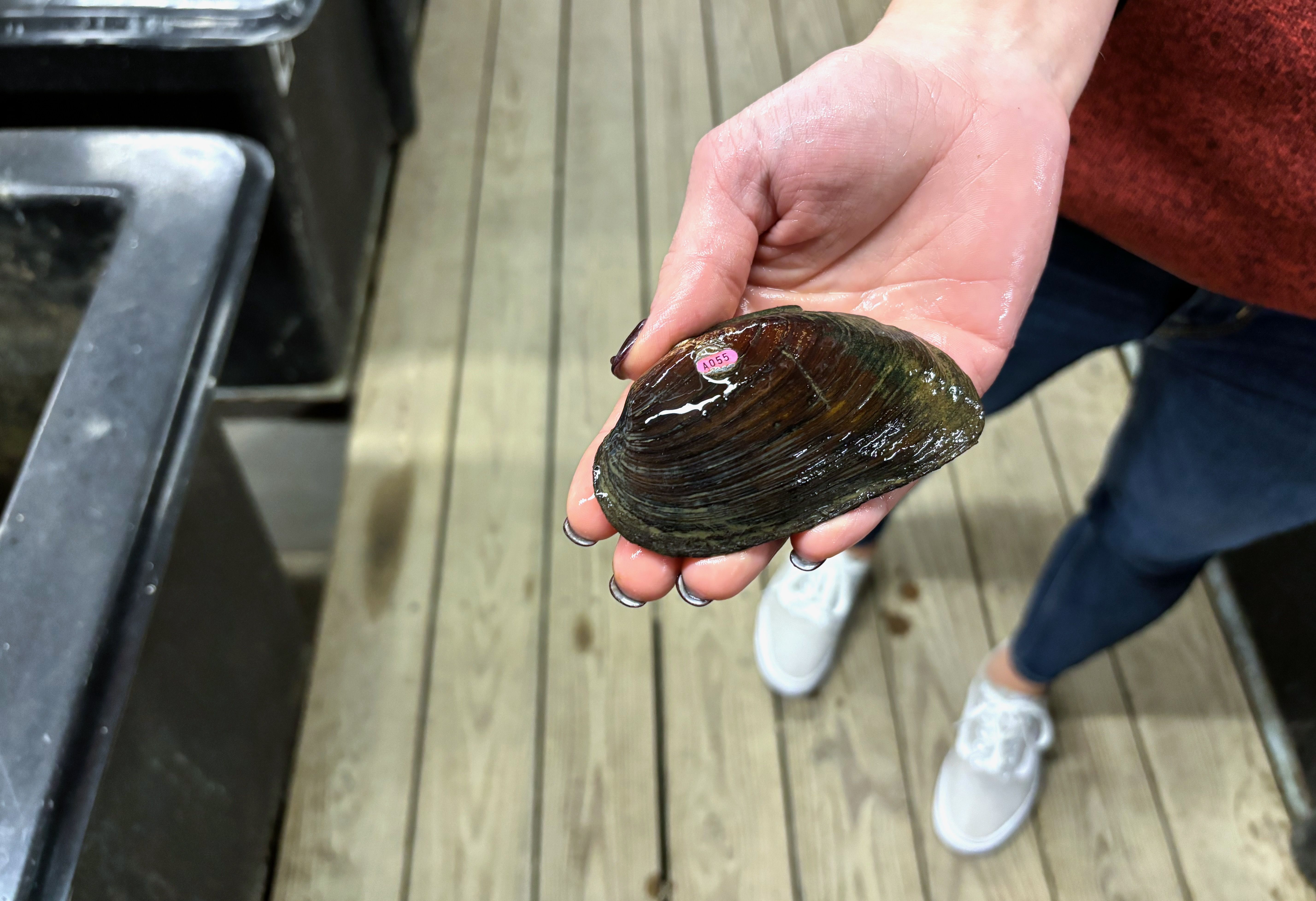
A juvenile freshwater mussel, raised from a larva at a local conservation center. Photos: Alissa Widman Neese/Axios
A scientific breakthrough that could save our country's most endangered group of organisms is happening on the bank of the Scioto River.
Why it matters: Freshwater mussels help keep our local rivers clean, and their disappearance signals problems, such as pollution and destruction from dams.
What's happening: The Watters Aquatic Conservation Center near Powell is one of just a few places nationwide that has successfully bred mussels using in vitro propagation.
- Their life cycle is complicated, and this work could help repopulate them more efficiently.
Driving the news: The Endangered Species Act, which guides local efforts, turns 50 next Wednesday, so we visited the 20-year-old facility for a behind-the-scenes tour.
- The center operates as a four-pronged partnership, with Ohio State University staff leading research, the Ohio Department of Natural Resources (ODNR) and the Columbus Zoo and Aquarium providing support and funding, and Columbus' parks department leasing the building and land to the zoo.
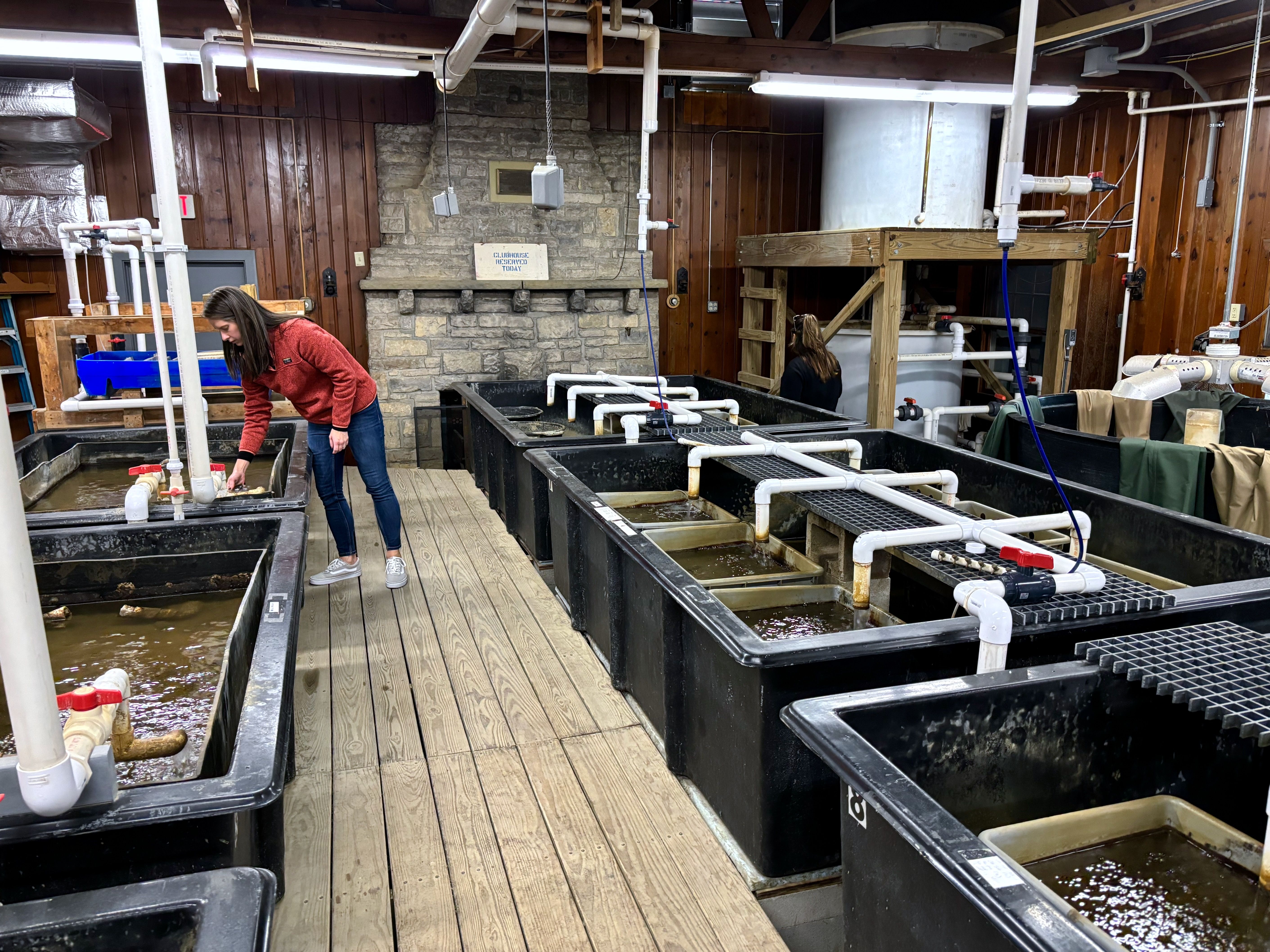
How it works: Rows and rows of tubs recreating river bottoms housed nearly 200 slow-growing shellfish from over 20 species when we visited this fall. The tubs are attached to a massive filtration system that continuously pumps water from the Scioto River.
- Some of the mussels are released into Ohio waterways, while others are kept for research and breeding.
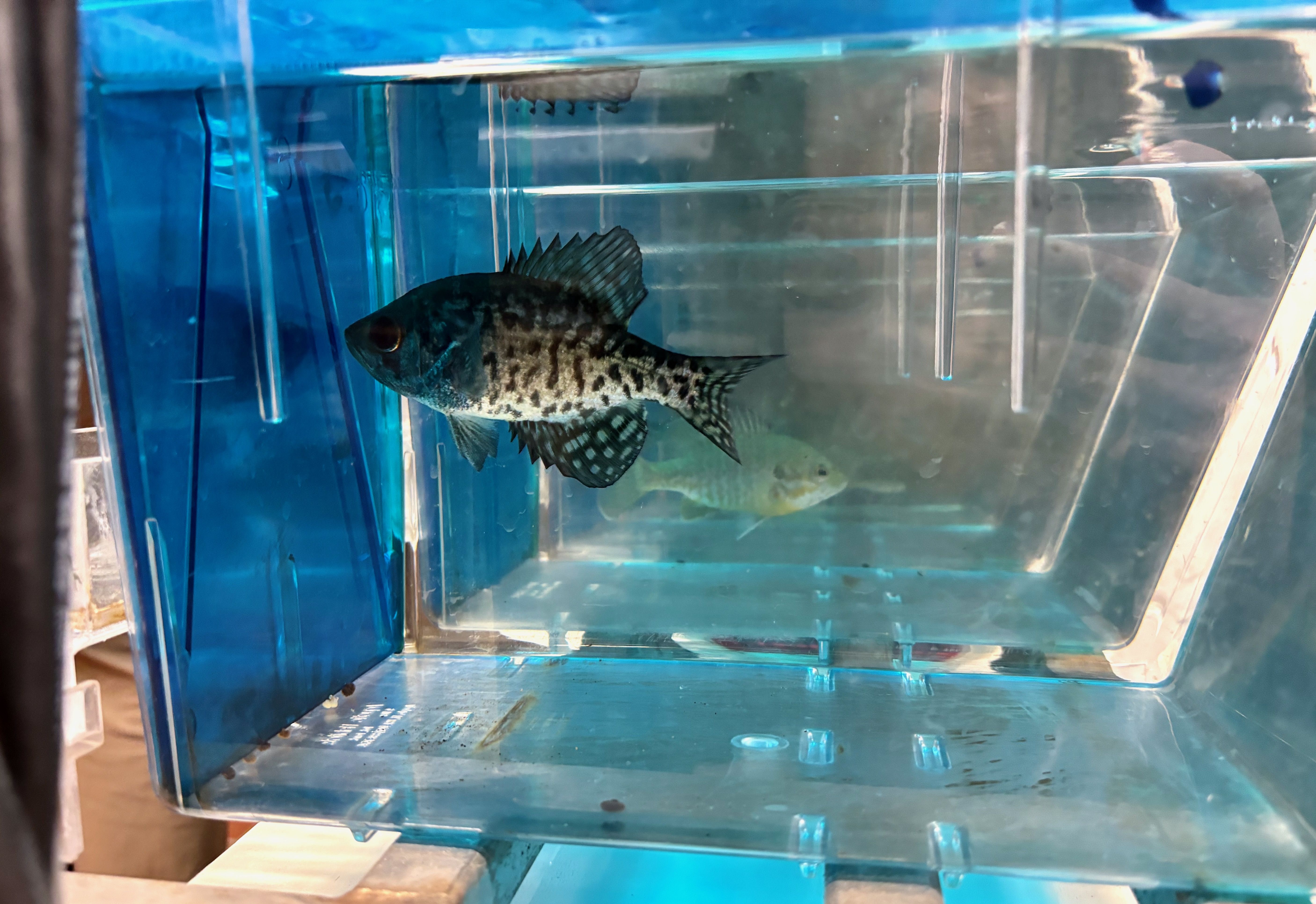
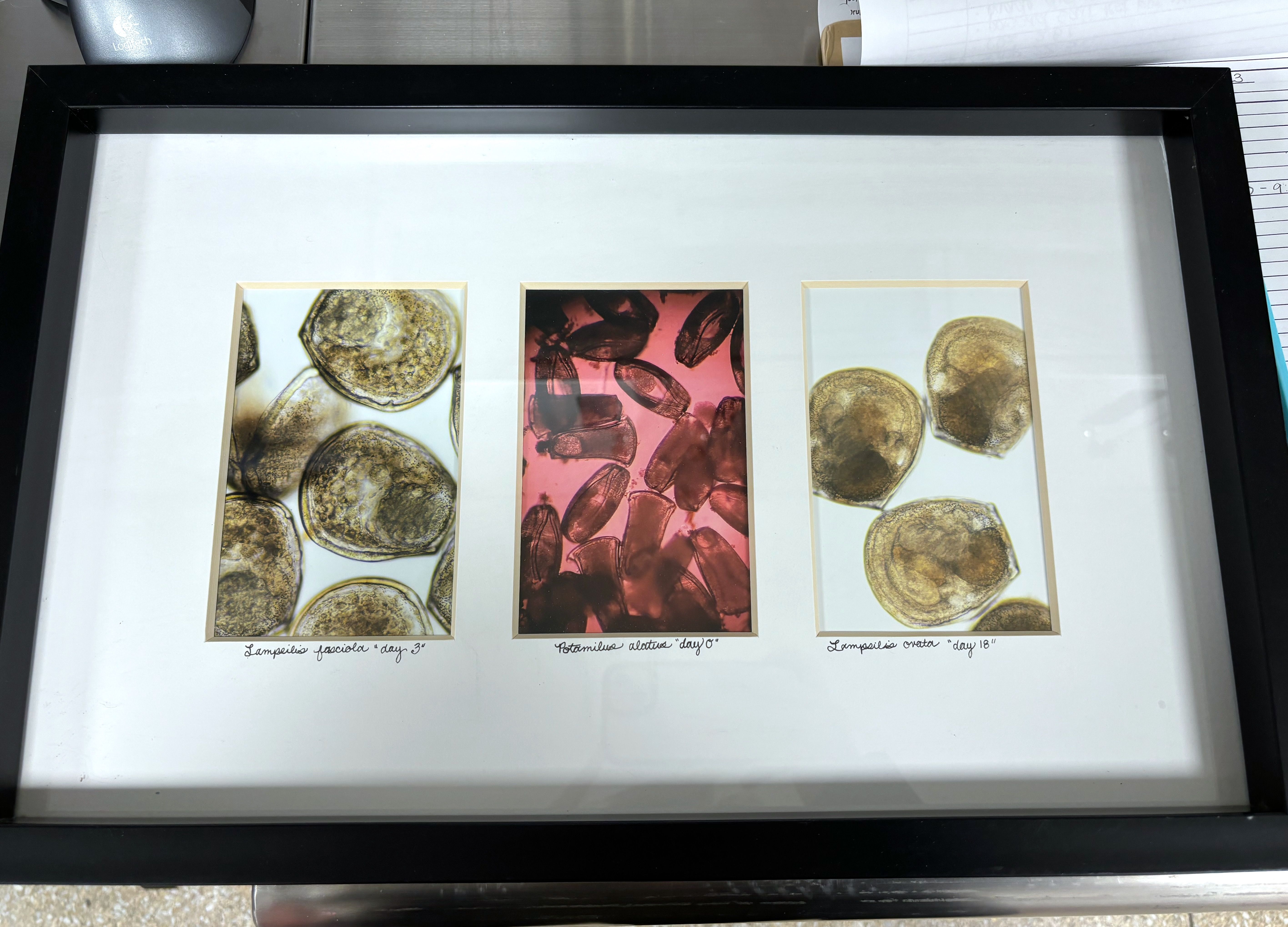
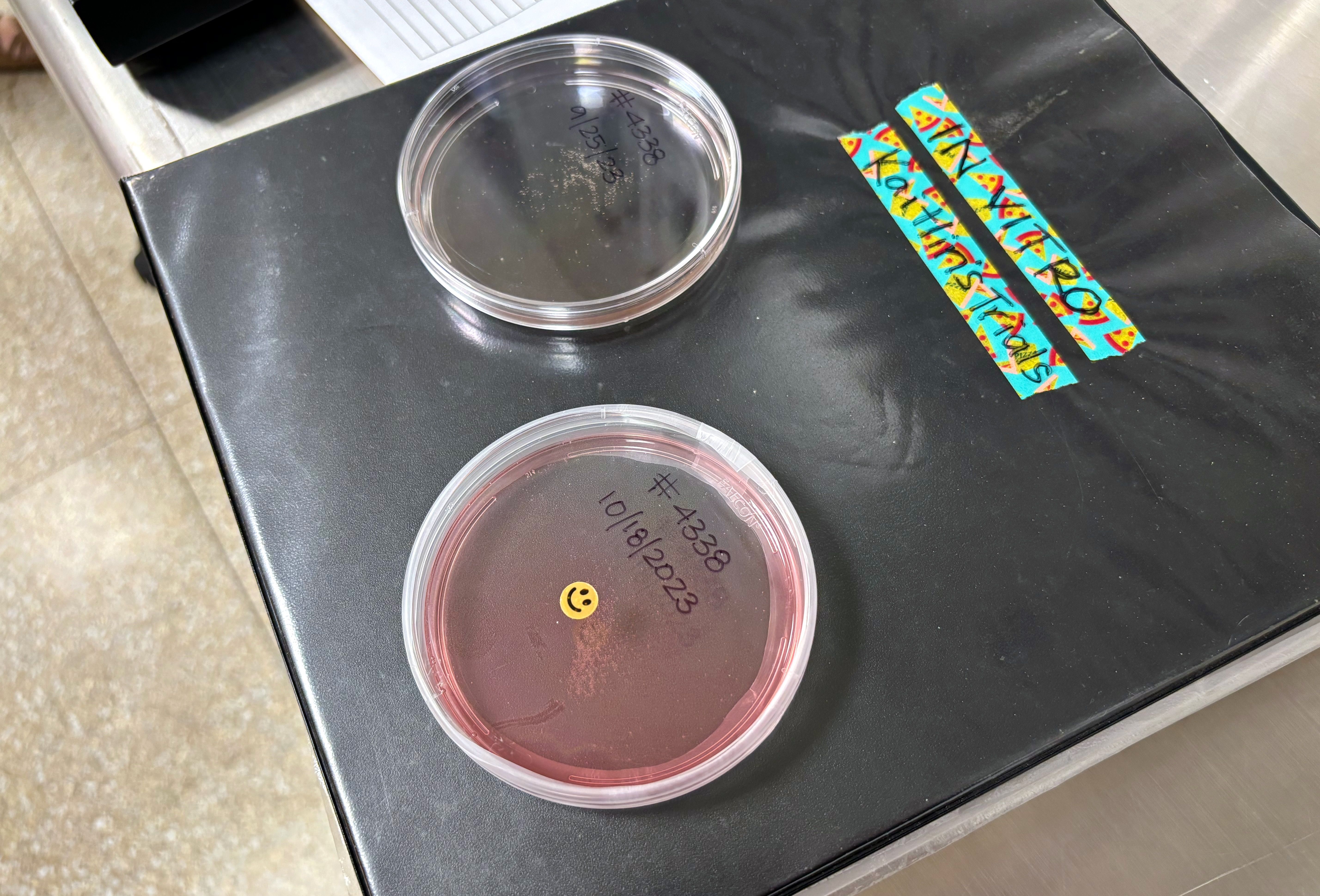
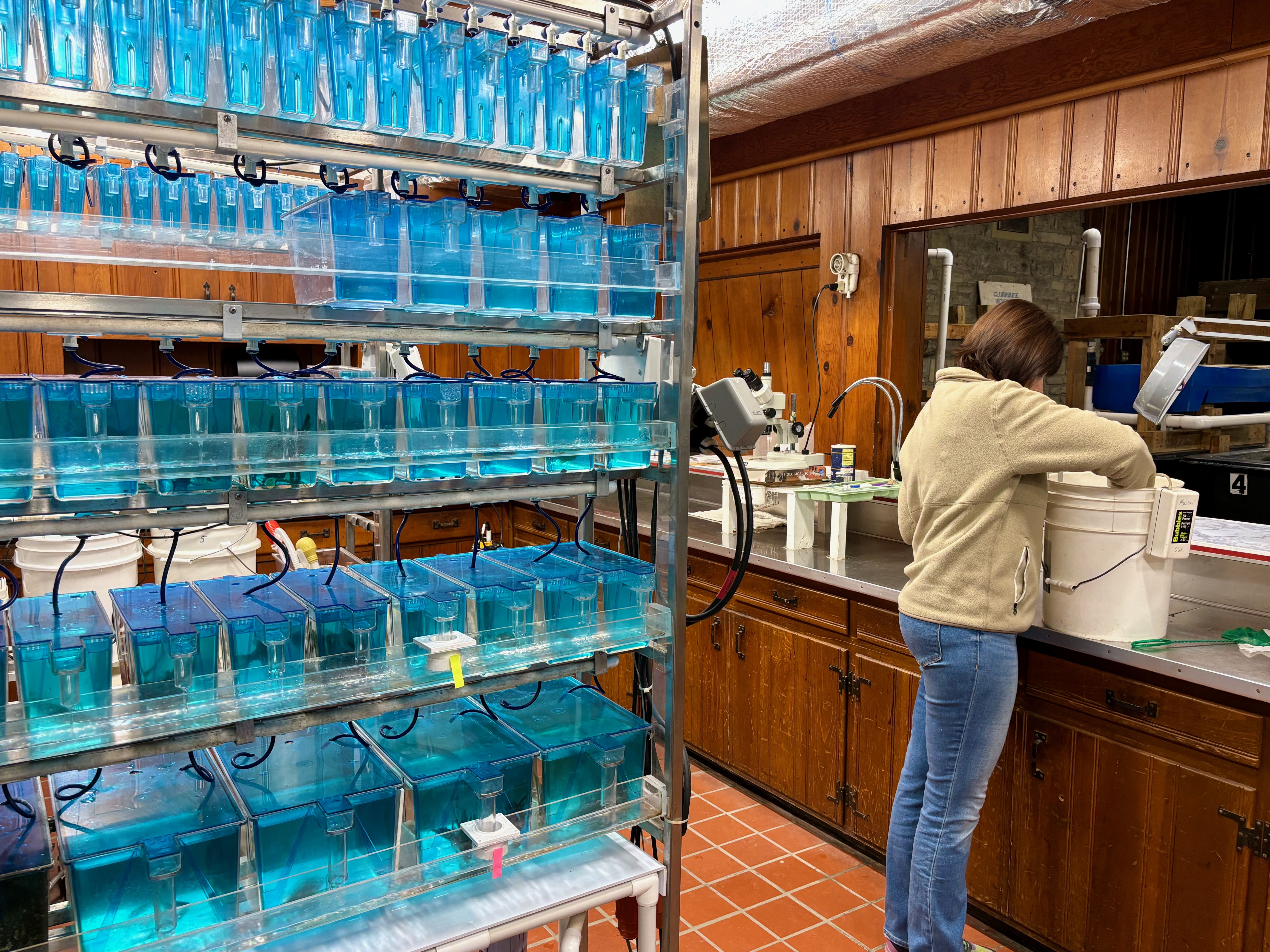
Zoom in: When mussels reproduce naturally, their larvae, called glochidia, must attach to the gills of a host fish to mature, such as darters or bass. The facility also raises host fish in a separate room with the larvae.
- But perfecting in vitro in the facility's state-of-the-art lab could mean bypassing that stage entirely, using petri dishes.
What they're saying: "It's quicker. You don't have to deal with maintaining a fish, and then if you don't know the fish host, you can still produce the offspring," Ieva Roznere, the center's science director, tells Axios.
Threat level: Over 70% of all species of freshwater mussels nationwide are in decline and 21% are federally endangered, according to the U.S. Fish and Wildlife Service.
- In Ohio, all native mussel species are protected under state law.
- Nine species still native to Ohio are federally endangered and six have been declared extinct.
What's next: Researchers will continue testing what conditions make in vitro most successful, and are offering advice to others across the U.S. who are getting started, Roznere says.
What we're watching: The zoo plans to open an Ohio Center for Wildlife Conservation in its North America area to highlight local efforts, like the mussel project, as part of renovations set to be completed by 2025.
Go deeper: Read our list of other local endangered species success stories.