The latest on Columbus' new Black history museum

Add Axios as your preferred source to
see more of our stories on Google.
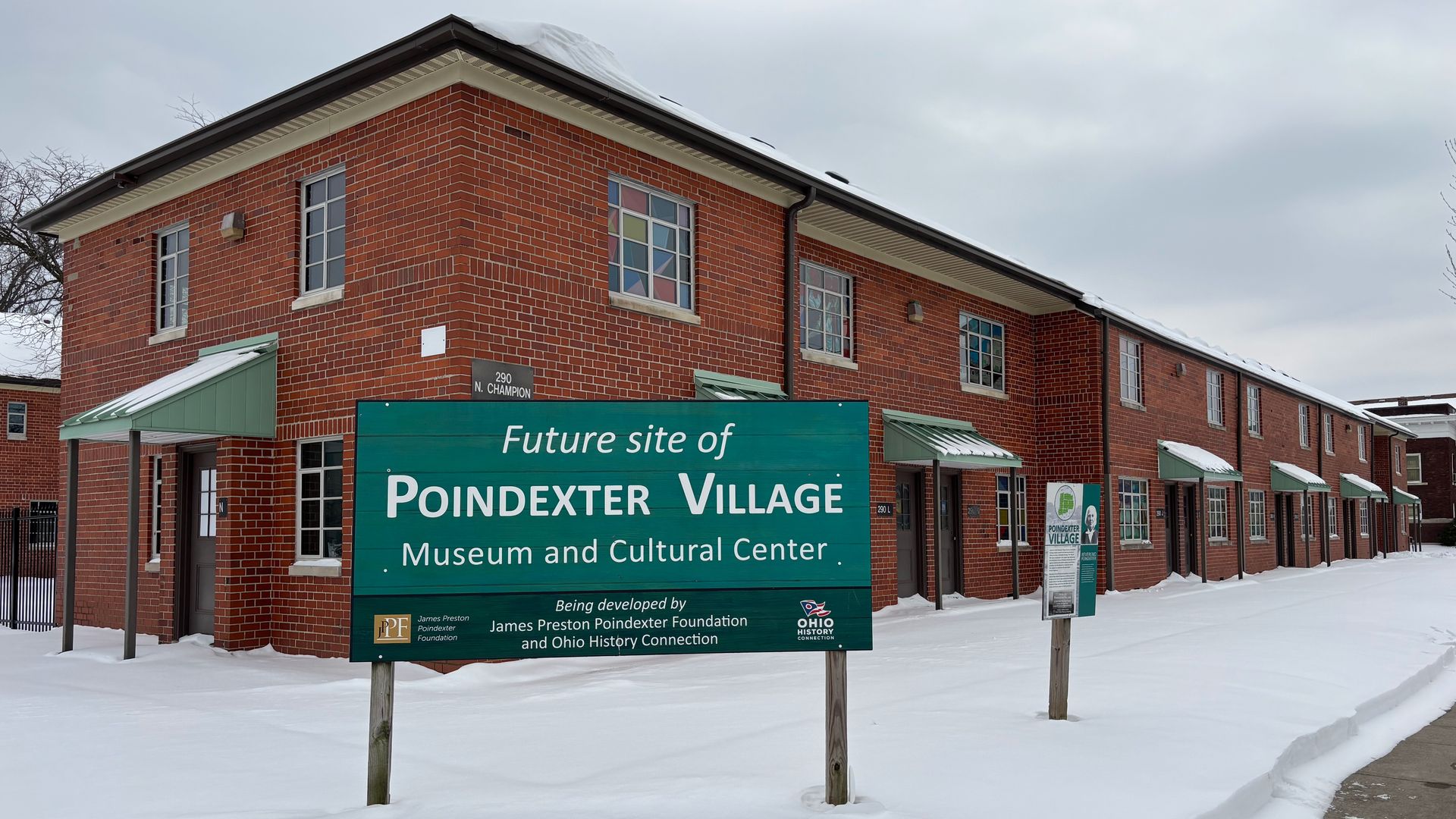
One of two remaining Poindexter Village buildings, at 290 N. Champion Ave. Photos: Alissa Widman Neese/Axios
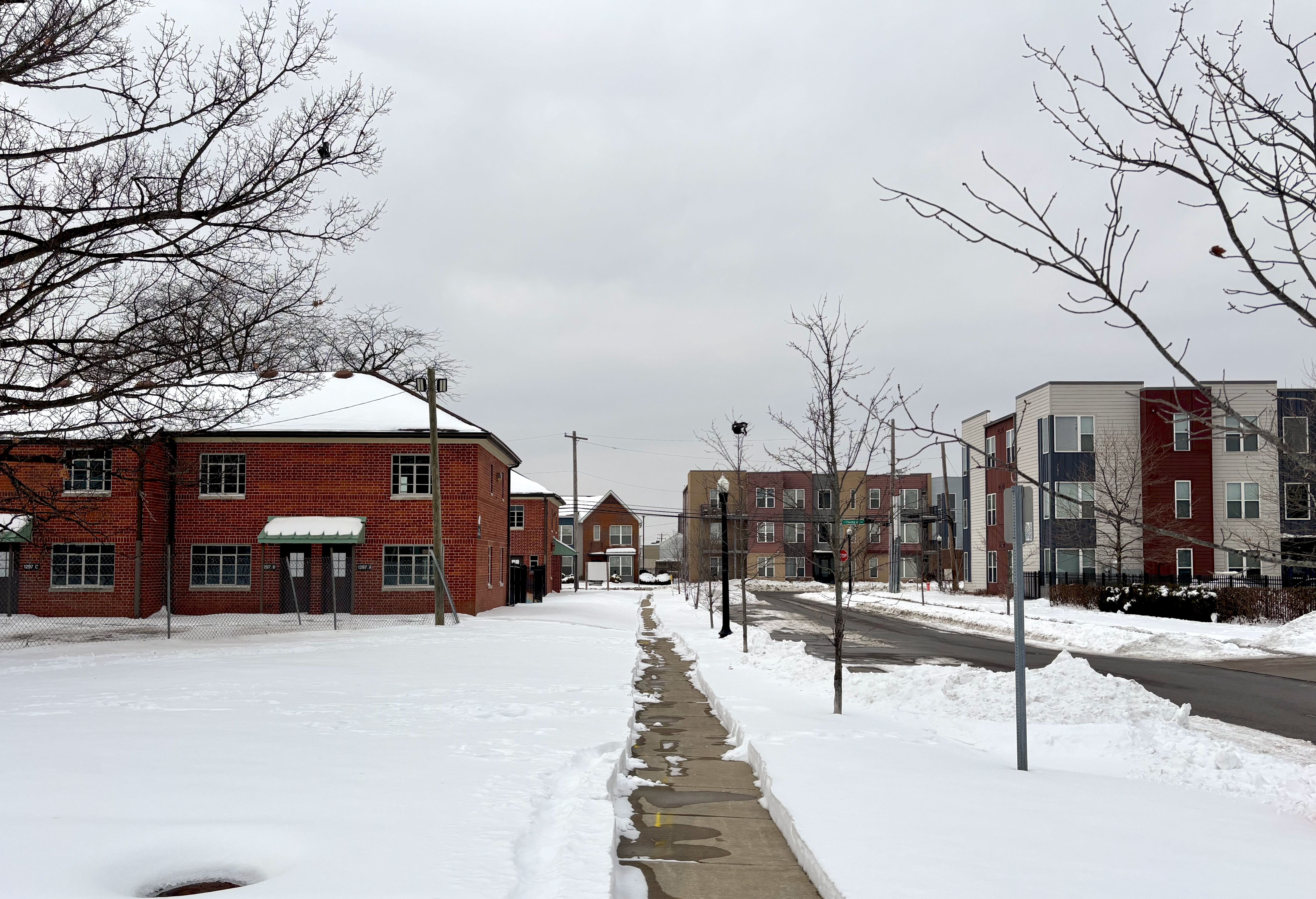
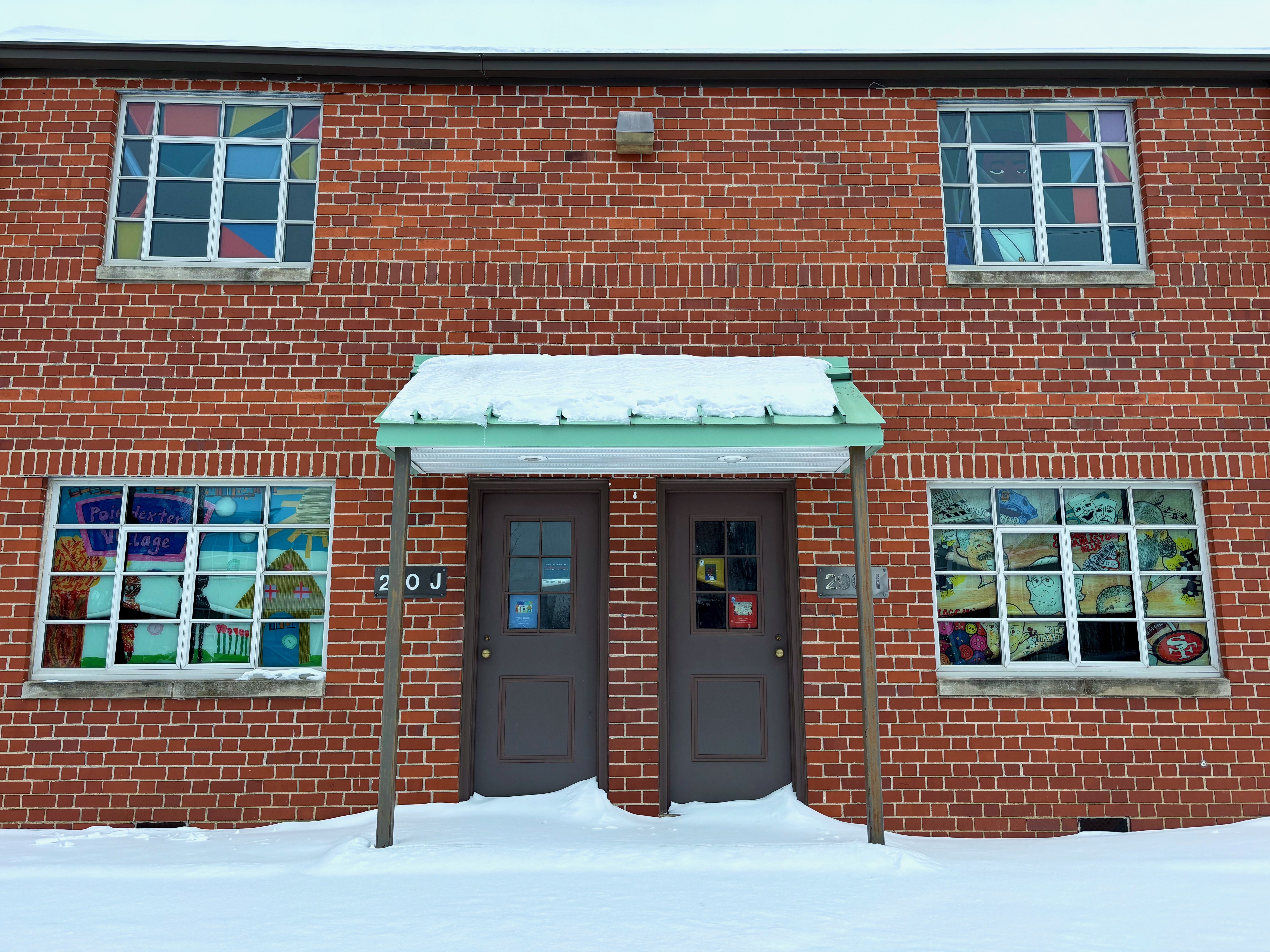
Surrounded by blocks of matching, modern apartments, two historic brick buildings on Champion Avenue stand as anchors to another era.
Why it matters: They're the last remnants of Poindexter Village, one of the country's first public housing projects and a cornerstone of the local Black community.
- They'll soon house the Poindexter Village African American Museum, preserving the structures and an important story of community and hope in King-Lincoln Bronzeville.
The latest: Progress remains on schedule for a May 6 museum groundbreaking, Ohio History Connection spokesperson Neil Thompson tells Axios.
Catch up quick: President Franklin D. Roosevelt came to town to dedicate the once-sprawling Poindexter Village federal housing project in 1940.
- It was named for the Rev. James Preston Poindexter, a prominent local abolitionist and longtime pastor of Second Baptist Church in King-Lincoln Bronzeville.
- The site once housed 35 buildings, but the area suffered from disinvestment.
- Columbus Metropolitan Housing Authority demolished most beginning in 2013 and replaced them with contemporary housing.
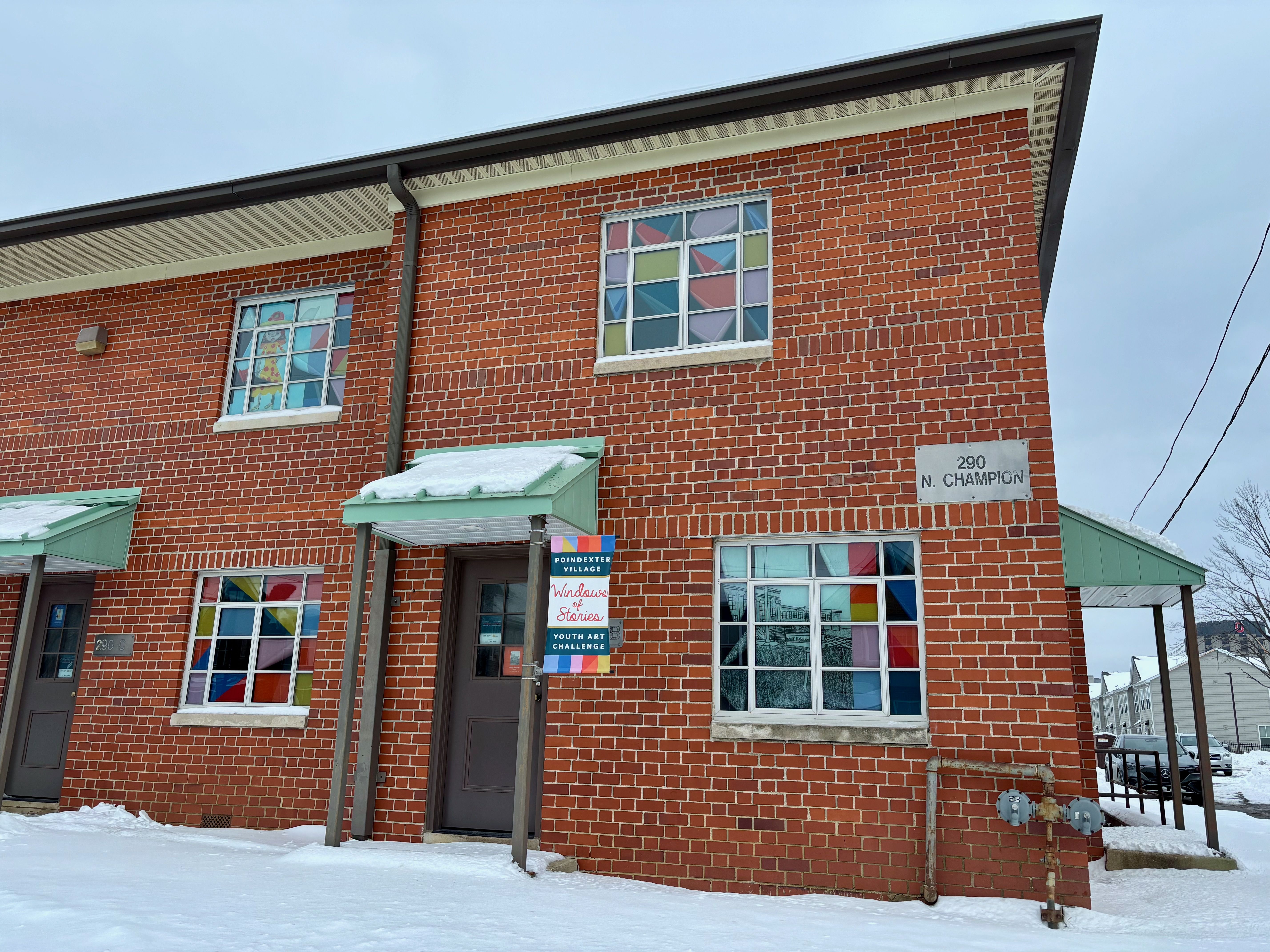
Friction point: Preservationists wanted more buildings saved, but to manage costs, the authority ultimately settled on two connected by a courtyard.
Follow the money: The Ohio History Connection acquired them in 2017 and began planning the $25.9 million museum with the James Preston Poindexter Foundation.
- Last year, they hired local architect Moody Nolan, the country's largest Black-owned firm, to design it.
Zoom in: Specifics will be revealed in May, but plans include a recreated 1940s apartment, interactive exhibits and community gathering spaces.
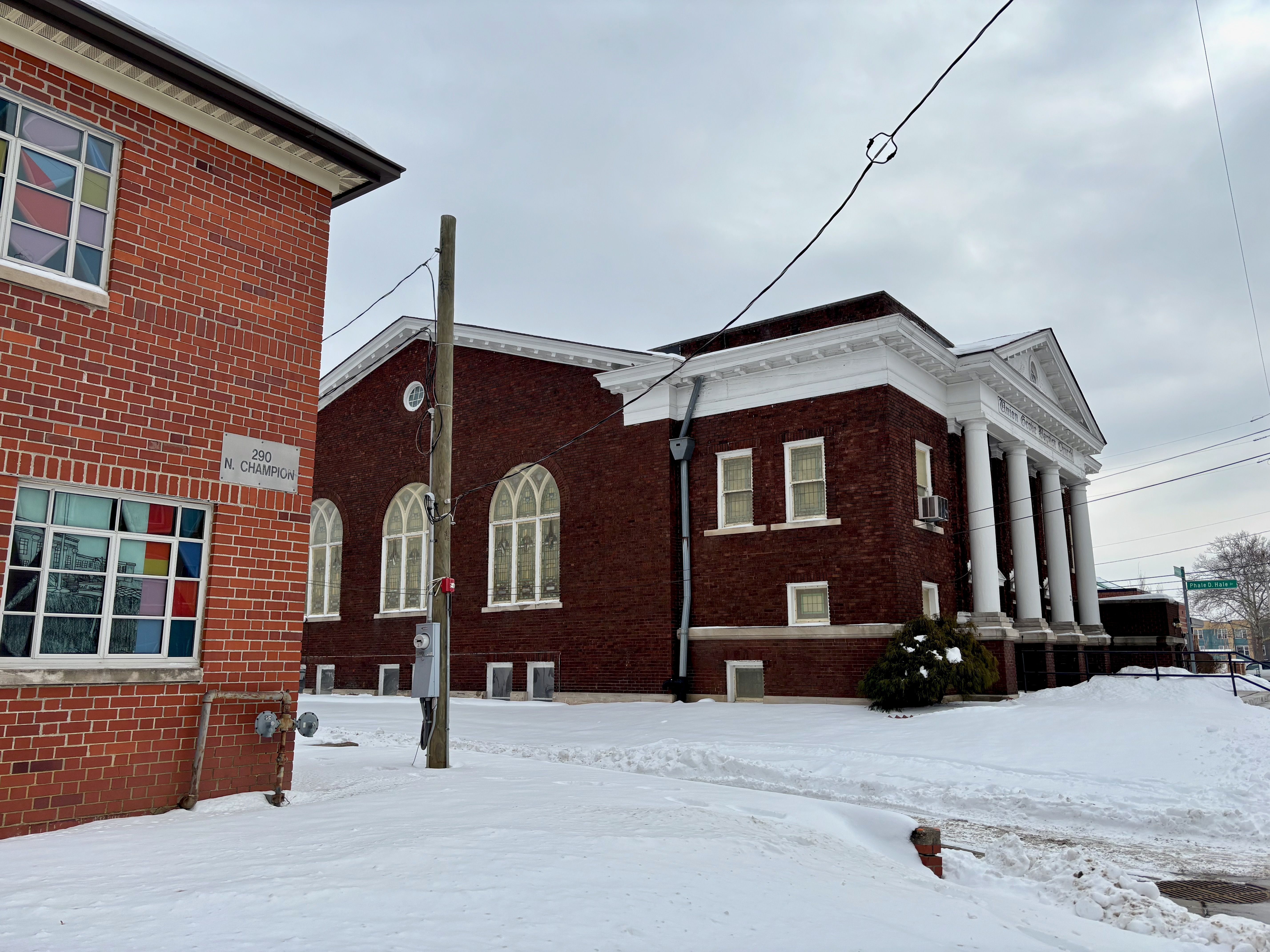
- The museum is also expected to connect to the adjacent Union Grove Baptist Church, which Poindexter helped organize in 1888.
- Ultimately, the goal is to "link the national history of public housing and Black heritage to Ohio," per a history connection statement.
What they're saying: "It really helped shape the city, and especially those neighborhoods on the Near East Side, after the 1940s," Thompson says.
- "It provided stability, it provided community — for the residents of that time and then for generations of residents thereafter."
What's next: The museum is expected to open in early 2028 as the Ohio History Connection's 59th historic site statewide.