How Columbus is grappling with its namesake

Add Axios as your preferred source to
see more of our stories on Google.
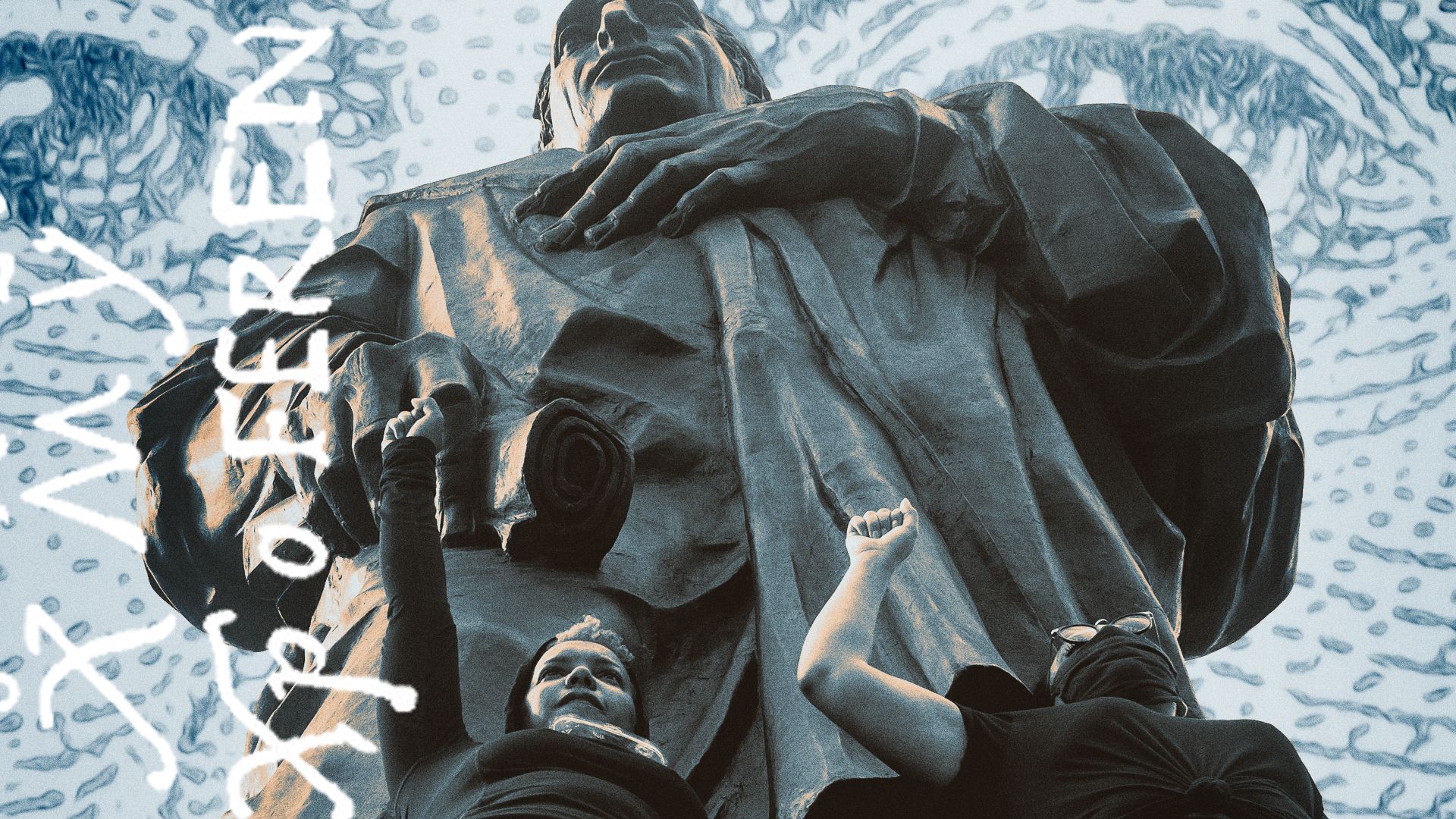
Photo illustration: Maura Kearns/Axios. Photo: Matthew Hatcher/Getty Images
Columbus has moved away from celebrating its controversial namesake but not beyond debating what he represents.
Why it matters: The local change reflects broader discourse over whether Americans should continue honoring Christopher Columbus' colonial legacy.
State of play: In the early '90s, Columbus the city proudly embraced Columbus the person. The changing stance in recent years has been quieter, more implied than announced.
Case in point: Monday is Indigenous Peoples Day — or Columbus Day, depending where you live.
- Our city stopped recognizing Columbus Day in 2018, initially citing a desire to give employees Veterans Day off instead. It now officially recognizes Indigenous Peoples Day.
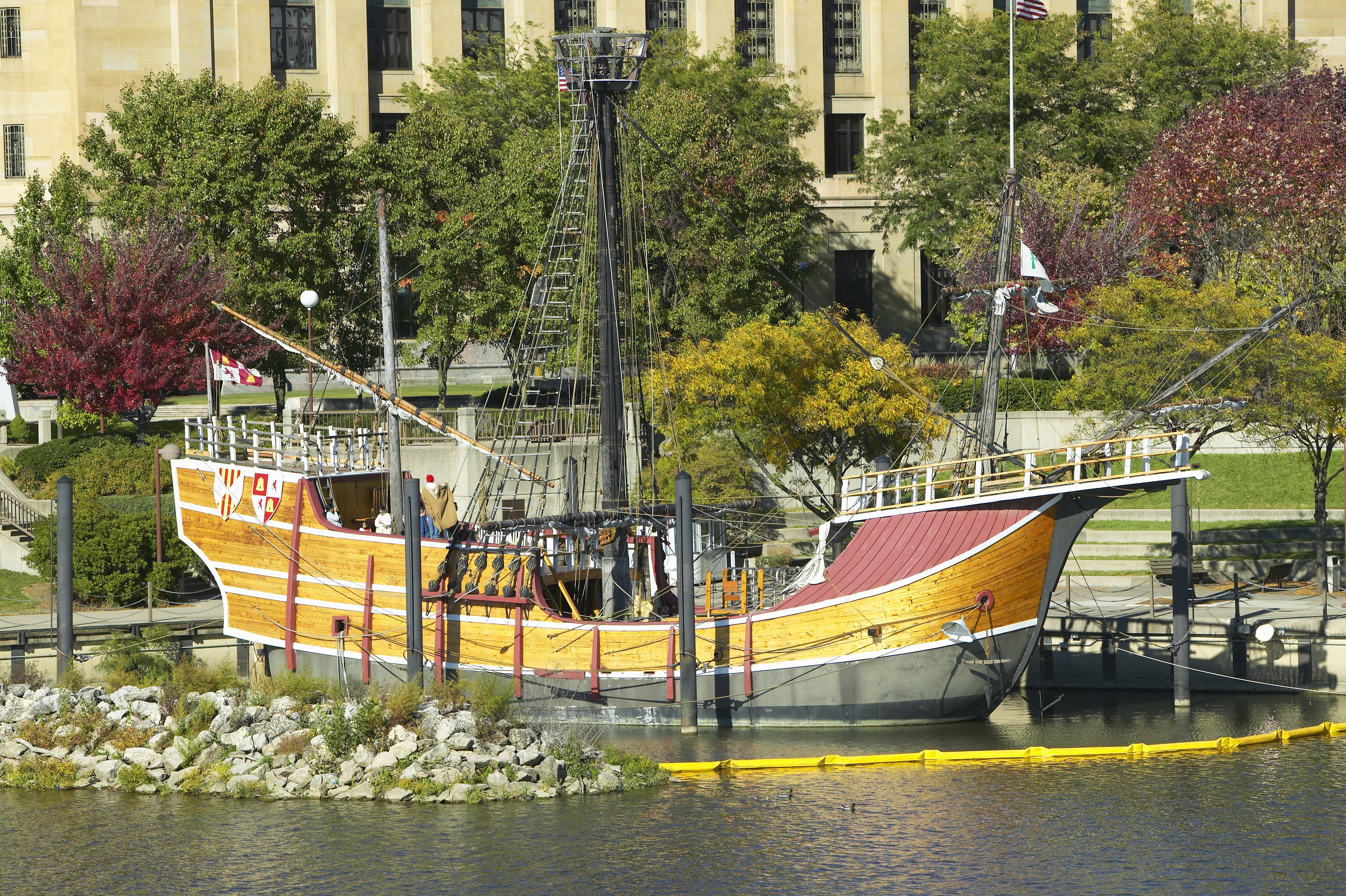
A replica Santa Maria sat in the Scioto River from 1991 to 2014. It was the centerpiece of AmeriFlora '92, a quincentennial celebration of Columbus' 1492 arrival that drew millions of visitors, including President George H.W. Bush.
- The city removed the ship amid a riverfront redesign but has held onto it in storage.
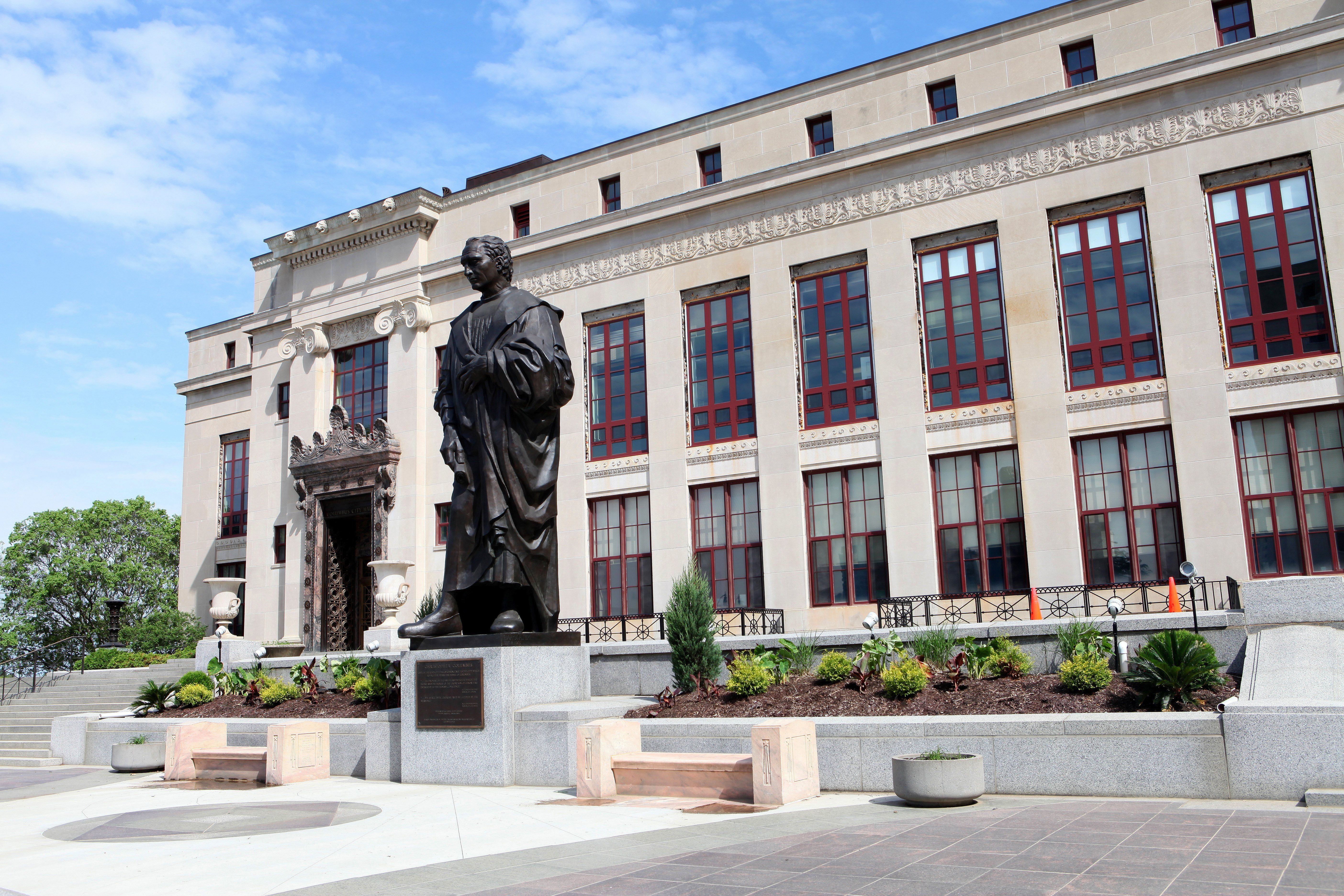
During 2020's racial justice protests, Mayor Andrew Ginther called for the removal of City Hall's Columbus statue and for a redesign of the city's flag and seal, which feature the Santa Maria.
- The statue's future is an ongoing conversation, and no city funding has been allocated toward the redesign yet, Ginther spokesperson Jennifer Fening tells Axios.
In 2022, the city renamed Christopher Columbus Square in Italian Village to Warren Square, reflecting the tiny park's location. A lawsuit followed, but it was dismissed.
The intrigue: Our city got its name in 1812 only because one early settler and state legislator was an "ardent admirer" of the explorer, per one historian. Otherwise, there's no connection.
- But over time, the name has taken on its own identity.
What they're saying: "To the vast majority of our residents, 'Columbus' evokes a place that is welcoming, that is vibrant, that is home. Most of us don't think of a historical figure when we hear the name of our city," Fening says.
Yes, but: Our city's name isn't completely neutral, either, says University of Tennessee cultural geographer Derek Alderman, an expert on the politics of place-naming.
- People from different walks of life and places will interpret it with different lenses.
The bottom line: "As much as names can take on a life and history on their own — beyond the historical figure they're named after — there's a responsibility that communities have to know the origin of their name identity and come to terms with it," he tells Axios.
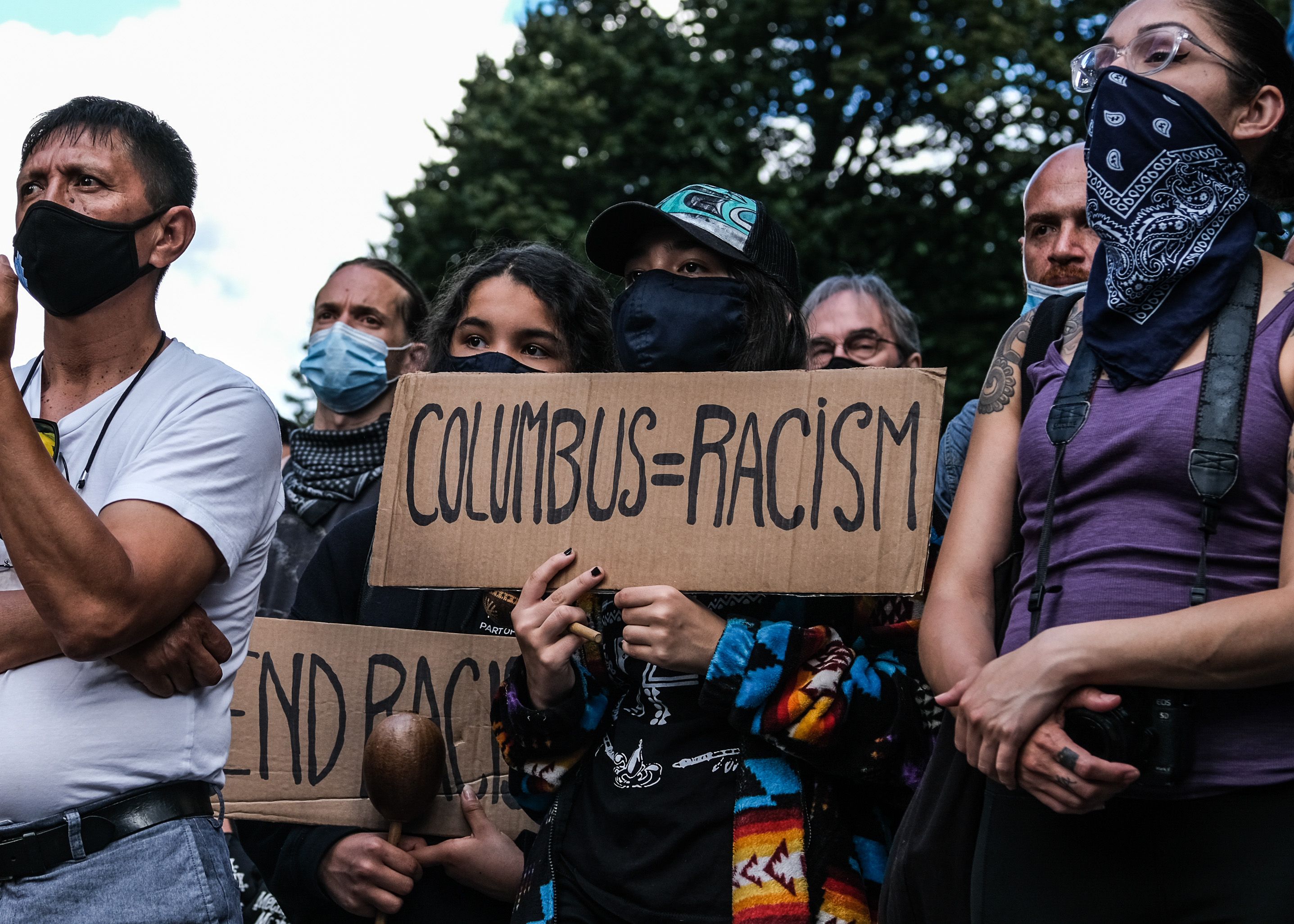
The cultural divide over Columbus Day
For Native Americans and Italian Americans, the places, statues and holidays honoring Columbus are less about the man himself and more about what he symbolizes.
To Native people, he represents "the beginning of colonization, violence and displacement," says Cindy Kemp, executive director of the Ohio-based North American Indian Cultural Center (NAICC).
What they're saying: "Replacing Columbus Day with Indigenous Peoples Day changes the focus from honoring a colonizer to recognizing the survival, resilience and contributions of Native nations," Kemp tells Axios. "It provides an opportunity for schools, governments and communities to educate the public more accurately about history while also giving Native people greater visibility in the present."
- She says acts like removing statues "can feel both healing and empowering, as it demonstrates that their history and perspectives are being taken seriously."
The other side: "We do not celebrate Columbus Day as a holiday specifically honoring the individual Christopher Columbus, but rather as a celebration of Italian American heritage," Columbus Piave Club spokesperson Joseph Ingrassia tells Axios.
- The club's members helped bring the City Hall statue here from Columbus' birthplace, Genoa, Italy, in 1955.
- They continue to advocate for its reinstatement as "a powerful symbol of identity and belonging."
Context: President Benjamin Harrison proclaimed the first Columbus Day in 1892 during a time of prejudice, as a reconciliation after the lynching of 11 Italian-American immigrants in New Orleans.
- "The statue and the holiday serve as symbols of the sacrifices, perseverance and achievements of generations who built new lives in the United States," Ingrassia says.
Columbus statue is still in limbo
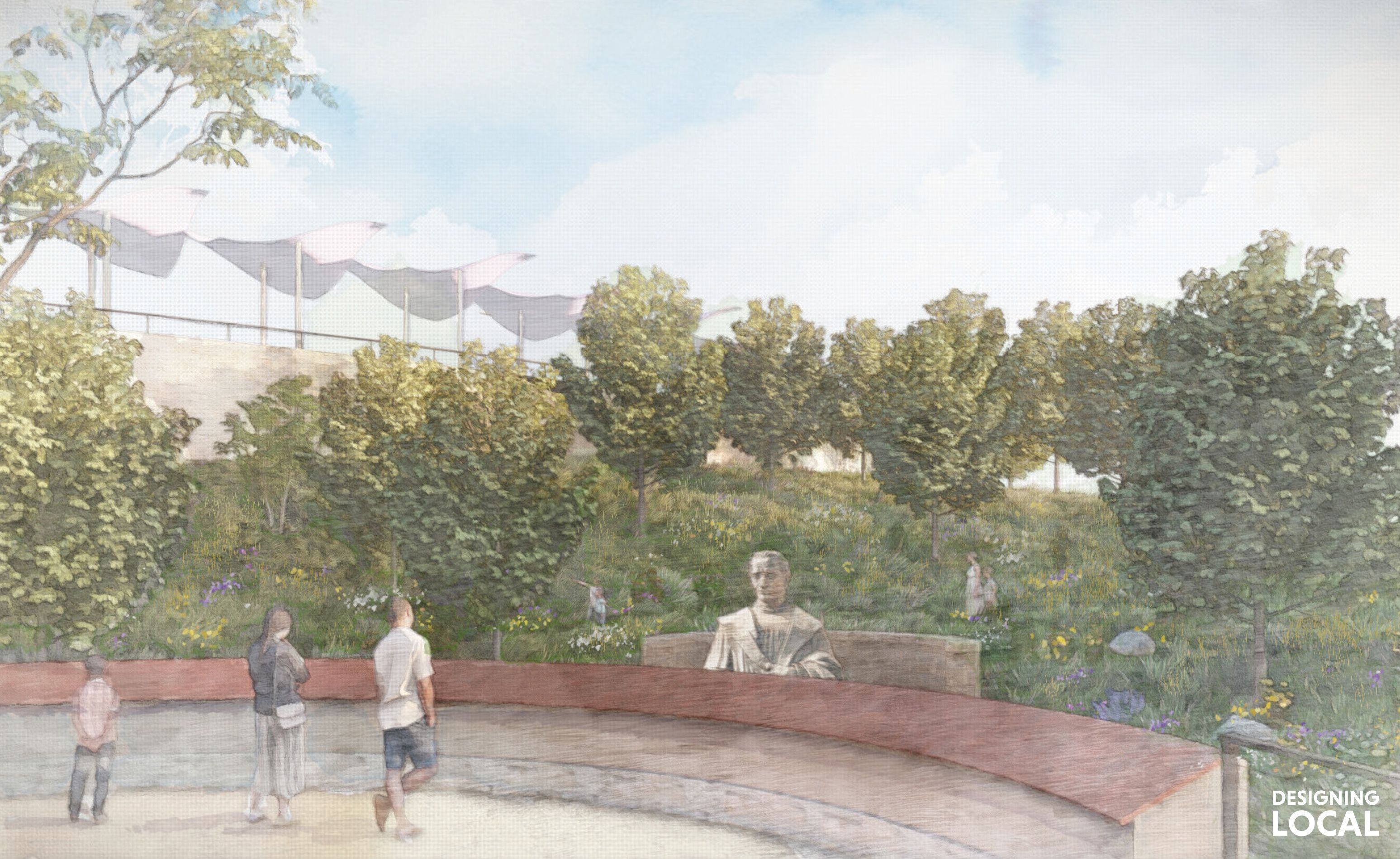
A proposal to bring back the Columbus statue unveiled in August now rests with the city, with no timeline for a decision.
Catch up quick: A Reimagining Columbus committee recommended a new riverfront park that reincorporates the stored monument, but doesn't solely focus on it.
- It would feature historical context and other artwork.
- A $2 million Mellon Foundation grant supported a two-year-long public planning effort.
What they're saying: "The vision laid out through the process represents the start of the next phase of this conversation, and that conversation will need time and space to occur," says Fening, Mayor Ginther's spokesperson.
Santa Maria replica likely gone for good
It's unlikely our city's other major namesake symbol, the replica Santa Maria, will ever make a comeback.
What we found: Nothing has changed since we last reported on the museum ship in 2021.
- The former riverfront attraction, once billed as "the world's most authentic replica" of Columbus' flagship, sits disassembled in city storage and needs costly repairs.
What they're saying: "We have no plans to relocate or sell," Columbus Recreation and Parks spokesperson Kerry Francis tells Axios.
Renaming Columbus? Not likely
Though there's much debate regarding Christopher Columbus, everybody seems to agree on one thing: renaming Columbus, Ohio, would be too complicated, especially given its size.
Between the lines: It's telling that a 2020 petition to rename the city "Flavortown" in honor of Guy Fieri — who was born in Columbus — is the closest we've ever come to a serious push.
What they're saying: "It's not simply flipping a light switch," Alderman, the place-naming researcher, says. "It's a fundamental, transformative change in identity and in how a town operates," from mail delivery to maps, signage and other costly branding.
- Removing a name and picking a new one are often equally political, he notes.
The NAICC asked attendees for their input during a pow wow last weekend, and the overwhelming consensus was to "let sleeping dogs lie," Kemp tells Axios.
The bottom line: Columbus isn't changing its name — but will keep exploring what it means.