The crowded race for the women's sports "capital"

Add Axios as your preferred source to
see more of our stories on Google.
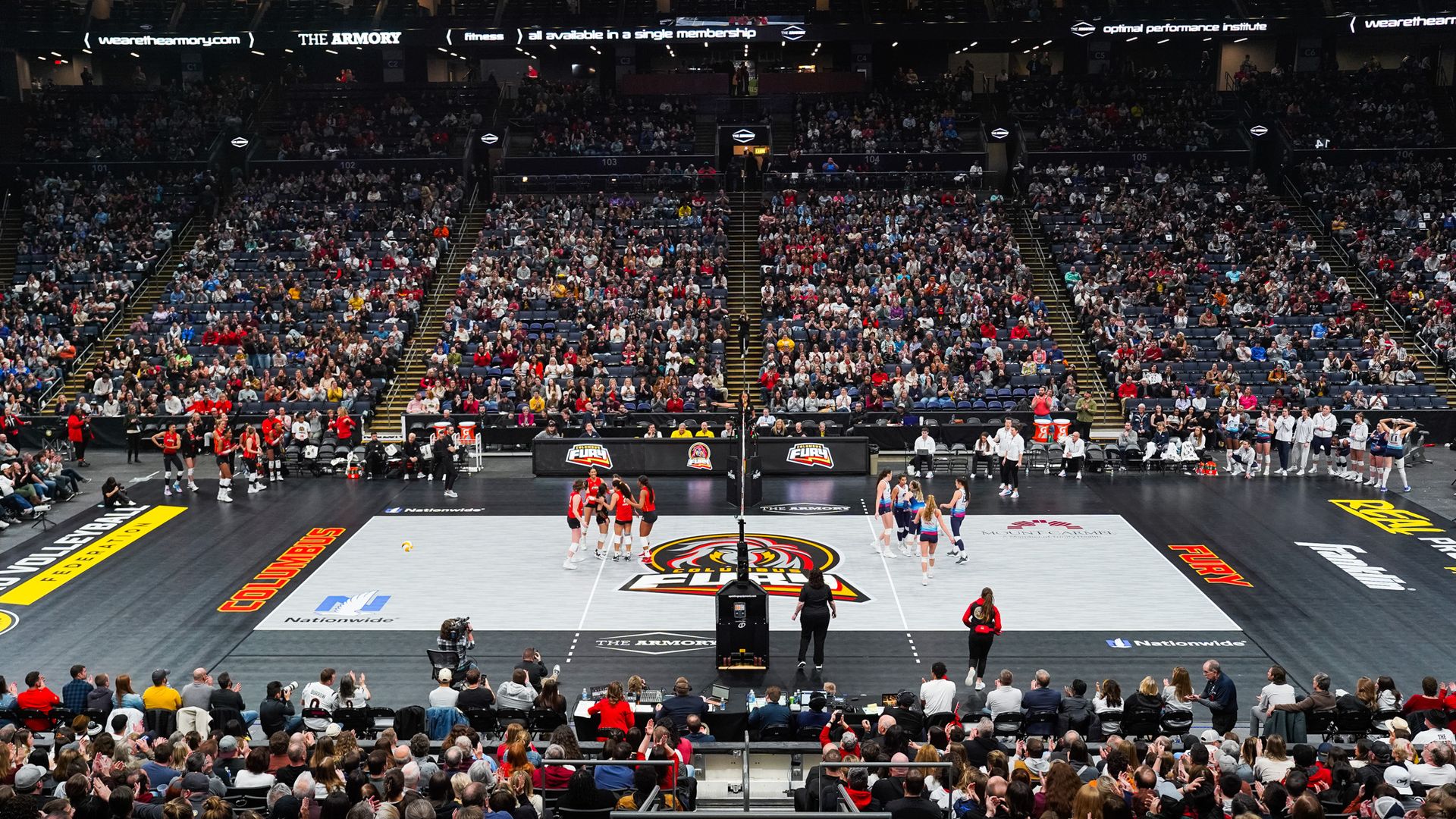
The Columbus Fury play in the newly merged Major League Volleyball. Photo: Courtesy of the Fury
Mayor Andrew Ginther wants Columbus to be the women's sports capital, but he has stiff competition and some catching up to do.
Why it matters: As leagues eye expansion, leaders around the country want to ride the wave, capitalizing on surging viewership and investment that comes with it.
Driving the news: In his 2025 State of the City address, Ginther declared "our aspiration for Columbus to emerge as the nation's capital for women's sports."
- That announcement launched the Women's Sports Capital Ambition, a collaboration between Experience Columbus and the Greater Columbus Sports Commission (GCSC) meant to cultivate participation in women's sports, grow fandoms, host events and drive a variety of investments.
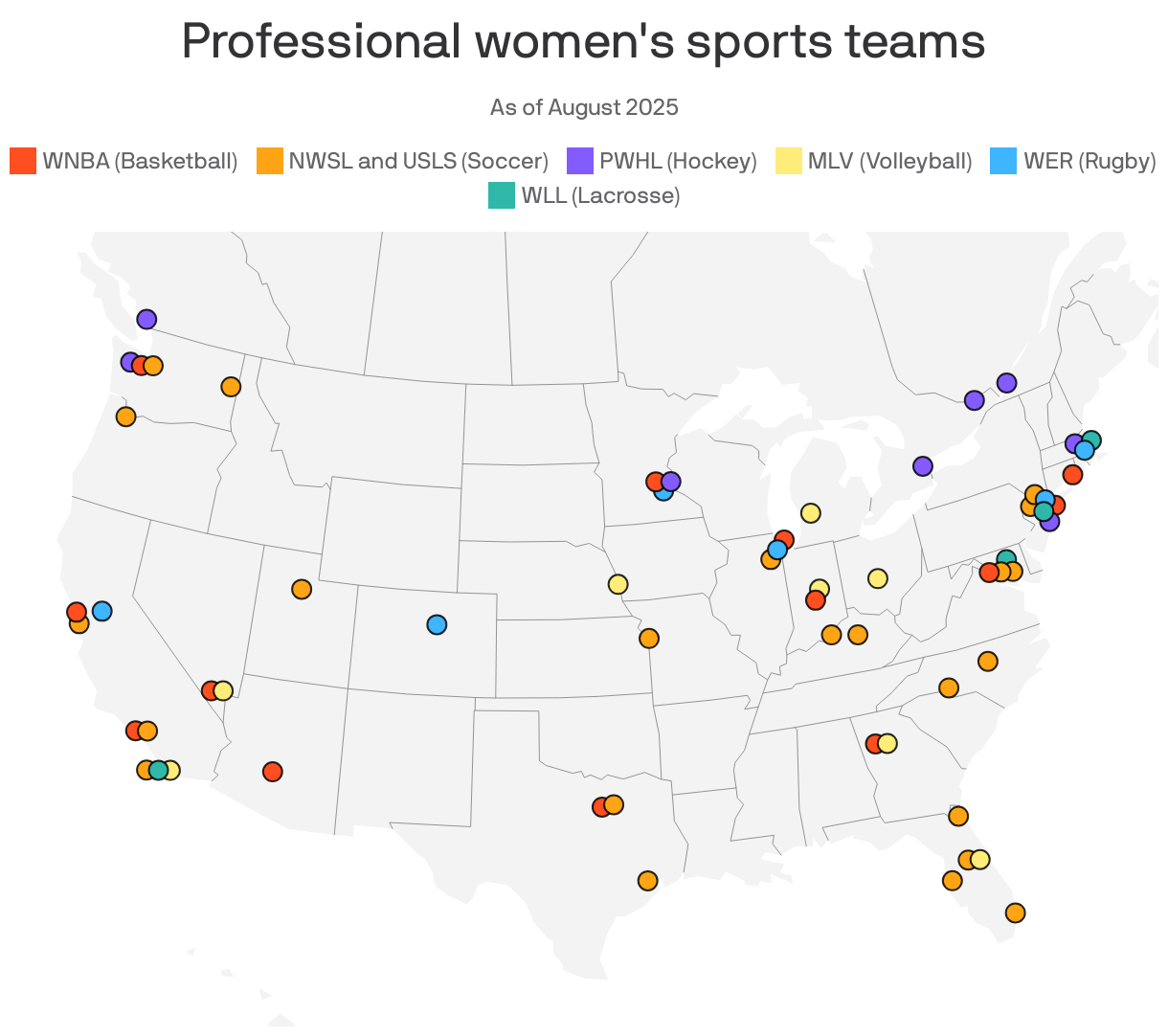
Zoom in: Columbus' professional women's sports headliner is the Fury, part of the newly merged Major League Volleyball.
- We're also home to the Chaos, Eagles, Squirrels and Ohio Roller Derby.
Yes, but: Ginther's goals go beyond professionals.
- He said investment in women's sports is "about creating a pipeline for women to serve as the future business and civic leaders of this city."
- His speech cited an EY Global study that found 94% of C-suite women have played sports.
The big picture: The mayor's office knows these lofty goals are "a big aspiration," Ginther's deputy chief of staff, Jennifer Fening, tells Axios.
- In July, the city awarded the GCSC a new $250,000 contract to work toward women's sports goals.
- "The first steps under the new contract will be to build supportive partnerships," like outreach to area universities, Fening says.
The competition: Columbus isn't the only city investing and identifying opportunities for growth.
- Charlotte, Denver, D.C., Indianapolis, Nashville, San Francisco and others have joined the race.
Friction point: The increased attention still hasn't resulted in adequate pay for athletes. At the recent WNBA All-Star Game, players vented their frustration over ongoing collective bargaining agreement negotiations.
- Terri Jackson, executive director of the Women's National Basketball Players Association, thinks the battle between cities and fan bases can help.
- "Just keep talking about the game. Keep talking about the players … because these players are in a fight right now for an agreement that truly values them," she said. "It's a big moment for women's sports … if you love the game, just keep talking about it. Keep showing up."