Inside Central Ohio's data center boom


Add Axios as your preferred source to
see more of our stories on Google.
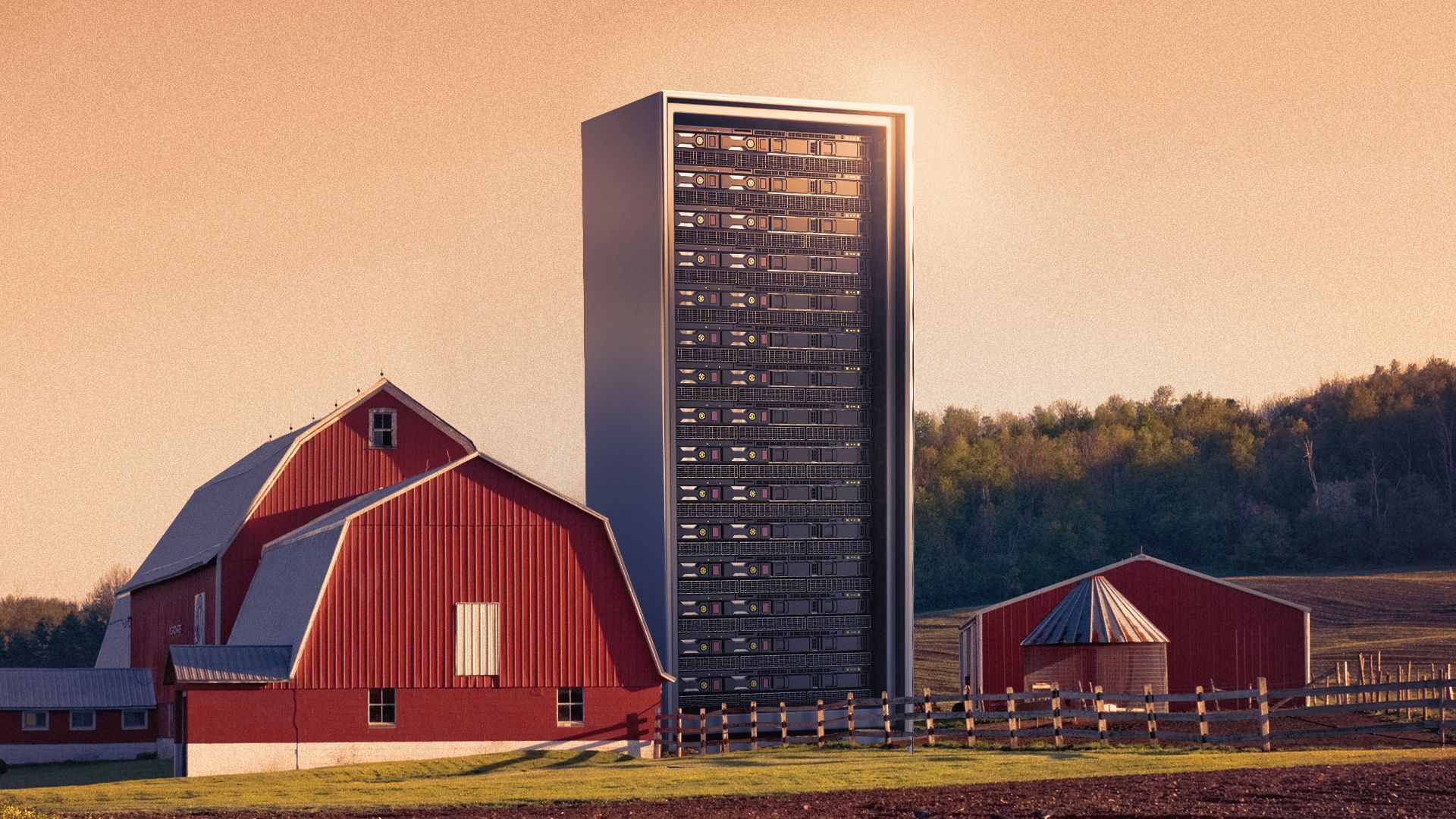
Illustration: Lindsey Bailey/Axios
The Midwest is emerging as one of the nation's fastest-growing data center hubs, a complex trend the Columbus area helped kick off about a decade ago.
Why it matters: Data centers power the AI boom — but their soaring energy and water demands often go unreported, with unclear benefits for local communities and few permanent jobs created.
- Data centers used 4.4% of U.S. electricity in 2023 and could consume up to 12% by 2028, per the Department of Energy.
- Data center construction is at an all-time high, increasing 69% year-over-year from 2023-2024, per CBRE, a commercial real estate firm.
State of play: With Chicago and Columbus' energy capacities tapping out, companies are increasingly eyeing secondary markets such as Minnesota, Iowa and Indiana, where land is cheaper and energy is more available, Andy Cvengros of real estate firm JLL tells Axios.
- The Midwest's abundant tax incentives are particularly appealing for companies, says Jon Davis, a policy strategist for The Council of State Governments. Ohio is one of several states with a sales tax exemption on data center equipment.
- And cooler temperatures and proximity to the Great Lakes reduce the need for energy-intensive cooling — an advantage over warmer southern states.
Yes, but: The expansion often happens behind closed doors.
- Local governments frequently sign nondisclosure agreements with tech firms, limiting public knowledge of energy and water usage, says Helena Volzer of the nonprofit Alliance for the Great Lakes.
- Fewer than one-third of data centers track water consumption, according to a 2021 study.
- "That is kind of startling," Volzer says.
The other side: Our world is growing increasingly digital, and the data needs to go somewhere. U.S. households had an average of 21 digital devices in 2023, per a Deloitte survey.
- "It's businesses of all shapes and sizes as well. They're increasingly relying on digital infrastructure," Dan Diorio, senior director of state policy for the Data Center Coalition, tells Axios.
- As companies build to meet that surging demand, energy is a "significant cost driver," and it's in their best interests to be efficient, he says.
How data centers took root in Central Ohio
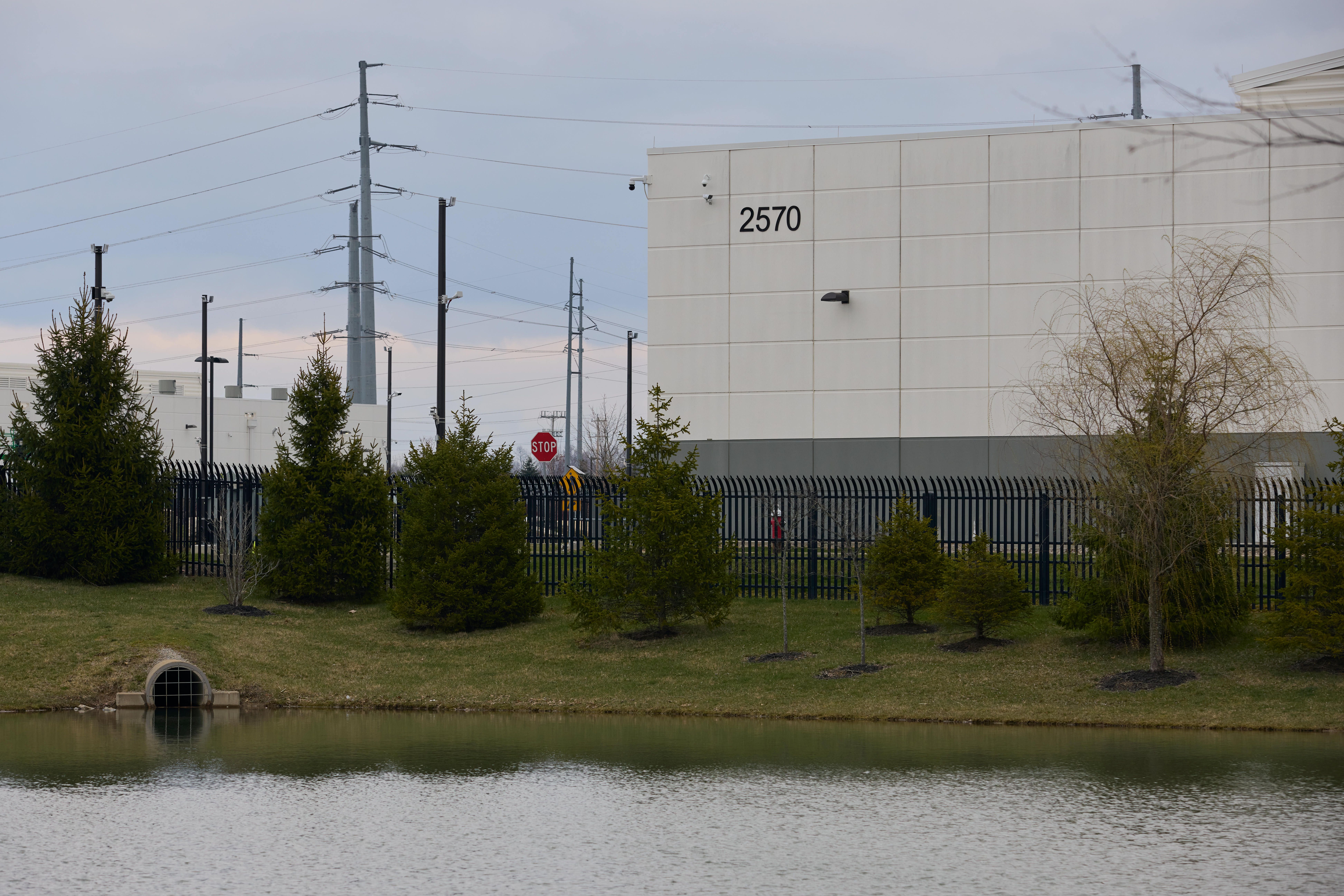
Columbus' data center boom is largely thanks to infrastructure investments from Amazon, which opened its first local center in Hilliard in 2016.
The big picture: New Albany was ahead of the curve even before that, adding centers for businesses such as Nationwide, Discover and TJX.
- The city wanted to diversify its business portfolio and increase the value of its rural land, Jennifer Chrysler, the suburb's community development director, tells Axios.
- Even with local abatements, adding the centers increased tax revenue for schools without adding students.
The latest: Today, the suburb's burgeoning Business Park is what Chrysler calls an "ecosystem" of tech investments that made Intel's Ohio One project possible.
What they're saying: "When you have names like Google and Meta and AWS and Microsoft and QTS in your community, people start to scratch their heads and say, 'What's going on in Central Ohio?'" Chrysler says.
- "There is 100% value in those kinds of big tech names being here."
The hidden environmental costs of data centers
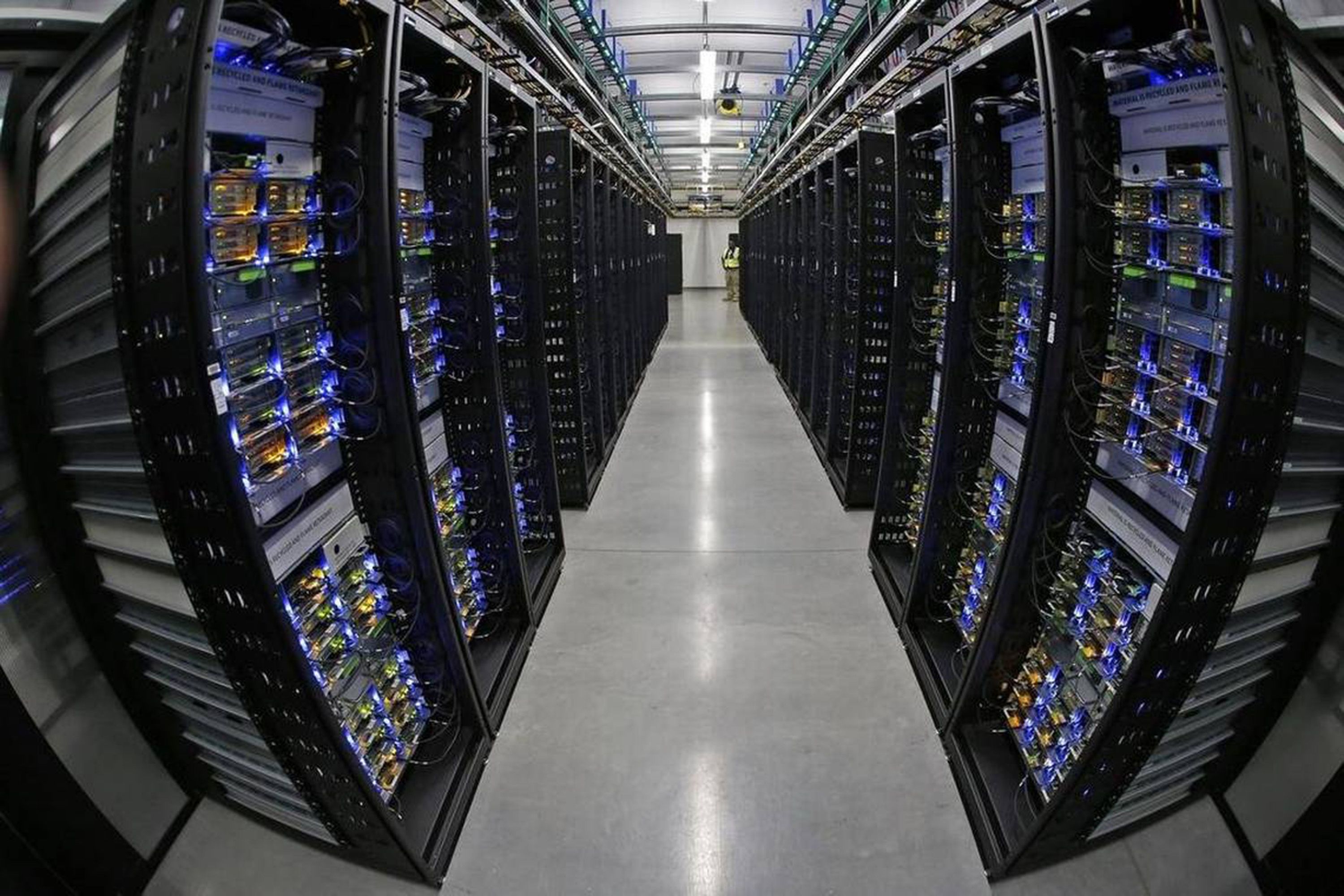
Data centers house server farms that store our information, along with electrical equipment that gets hot, requiring 24/7 air cooling that annually uses millions of gallons of water as a refrigerant.
- They also use a large amount of electricity, which requires generating water.
Between the lines: Their exact consumption levels are often unknown, since most of them rely on municipal utilities, Volzer says.
- Some states, such as Indiana and Illinois, are considering new transparency rules on data centers' energy usage.
- To meet the demand on existing electricity power grids, strained markets may have to add capacity on- or off-site. In Ohio, utility regulators are currently determining who should pay for it as supply is not keeping pace.
Threat level: A recent Environment America report cautioned that this demand may delay the retirement of some fossil fuel power plants or require new fossil fuel generation.
Go deeper
Explore our map of Central Ohio data centers and delve into the details of how many local jobs they're creating.