Ohio lawmakers want to take on deepfakes

Add Axios as your preferred source to
see more of our stories on Google.
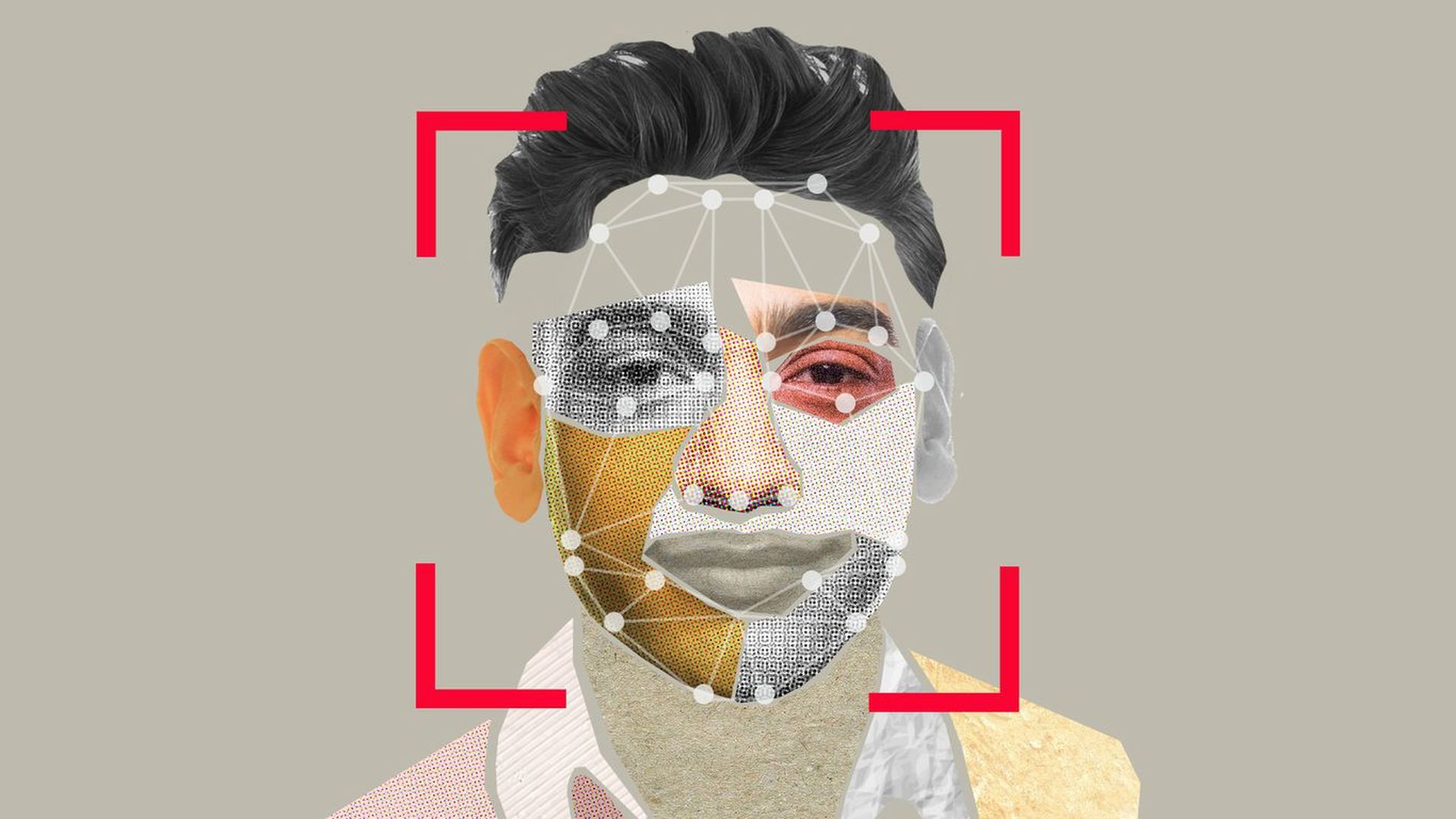
Illustration: Sarah Grillo/Axios
Two Ohio lawmakers want to curb the use of deepfake content as another contentious election cycle approaches.
Why it matters: The rapid development of artificial intelligence is making it increasingly difficult to tell fact from fiction.
- Threat level: With around 1 billion voters worldwide headed to the polls this year, conditions are ripe for bad actors to suppress votes, libel candidates and incite violence, Axios' Ryan Heath writes.
How it works: A deepfake is a type of deceptively manipulated, AI-generated content designed to appear legitimate.
- Deepfakes are often created with ill intent and can convincingly mimic a person's voice, look and speech pattern.
State of play: AI content has already been featured in political messaging here and abroad, though a growing number of states have cracked down on the practice.
Zoom in: House Bill 367, recently introduced by state Reps. Adam Mathews (R-Lebanon) and Brett Hudson Hillyer (R-Uhrichsville) would prohibit making a "malicious deepfake recording of an individual's voice, image, or likeness" without that person's consent.
- It would allow deepfakes in political campaigning, but only if accompanied by an explicit disclaimer noting its inauthenticity and highlighting who created it.
What they're saying: "[Deepfakes] can be a problem for democracy," says OSU assistant professor Bingjie Liu, who has studied AI communication since 2015.
- Many do not even know AI-generated content exists, Liu tells Axios, but even those who do sometimes have a difficult time discerning what is real or fake.
- "Video is especially powerful … when you see something that is real, then you are more likely to fall for it," she says.
The intrigue: AI technology is more accessible to the general public than ever before.
- New digital tools require little effort to create a deepfake, as Axios' Ina Fried showed after making one of herself appearing to say multiple sentences.
- "The era of deepfakes is upon us … you can make anyone say anything with the power of AI," Fried reported.
Yes, but: Experts disagree on the effectiveness of regulations as governments and social media companies contend with broader free speech questions.
- Just 13% of computer science professors said stricter regulations would be the most effective strategy to battle deepfakes, per an Axios-Generation Lab-Syracuse University poll.
- More respondents suggested use of digital authentication tools and better public education on deepfakes are the best answers.
Be smart: How to spot deepfakes
AI experts offer these suggestions on how to spot and debunk deepfakes:
🔎 Note who is sharing the content.
- Is it a reputable news source or an unknown individual?
- Consider doing a reverse-image search to see if it has been published elsewhere.
🛑 Pause before sharing.
- Take a closer look to notice distorted or airbrushed imagery.
🤔 Trust your gut.
- Be wary of improbable and sensationalist content, especially if it asks you to take action such as donating to a campaign.