Congressman Bill Johnson to become YSU president


Add Axios as your preferred source to
see more of our stories on Google.
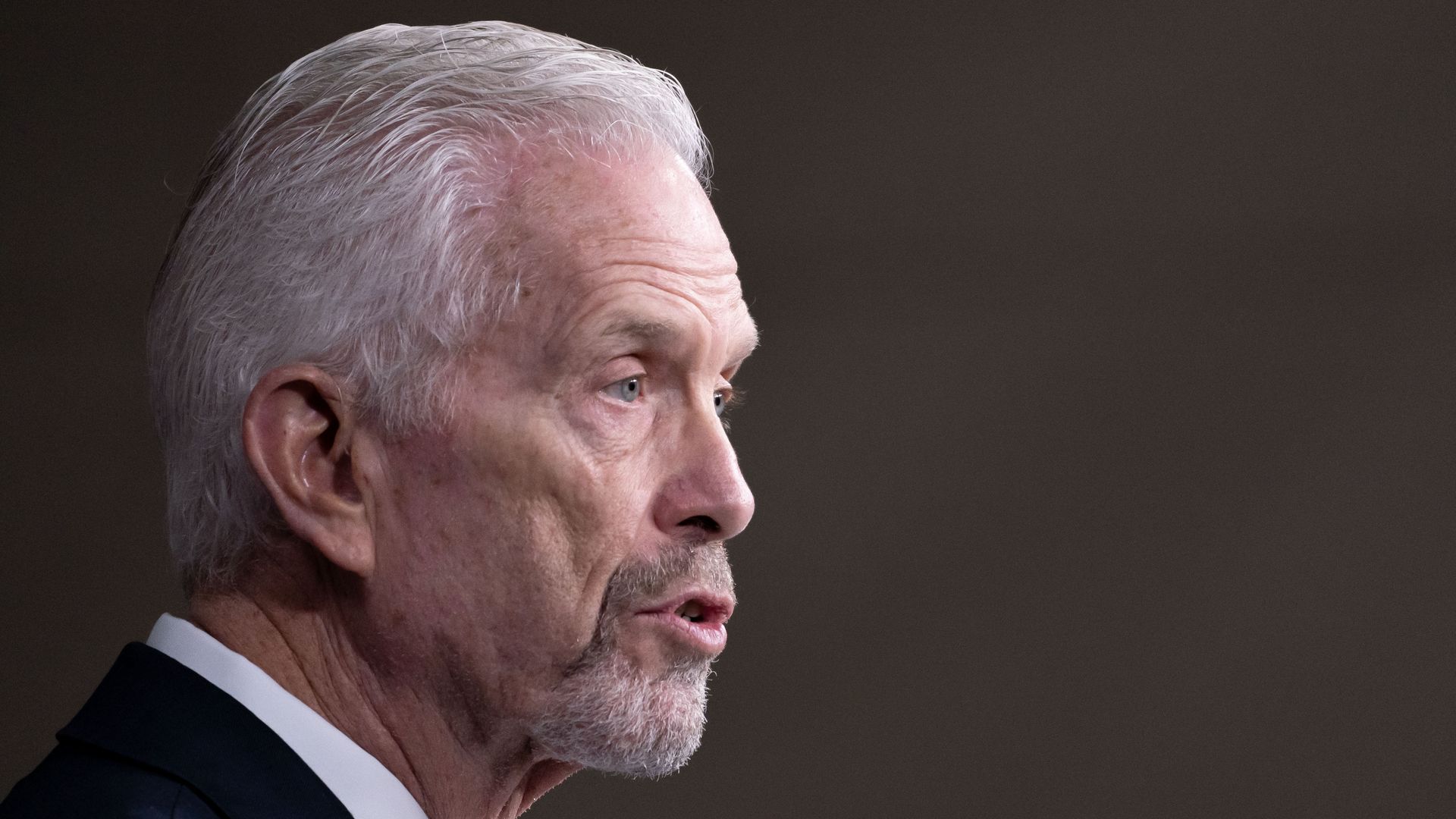
Photo: Nathan Howard/Bloomberg via Getty Images
Rep. Bill Johnson (R-Ohio) is planning an earlier-than-expected departure from Congress this month to become president of Youngstown State University, Axios' Andrew Solender reports.
Why it matters: Johnson's resignation comes on the heels of former House Speaker Kevin McCarthy's departure and will leave House Republicans down yet another vote as they try to pass key spending bills with a razor-thin majority.
- Republicans will be down to just 219 seats to Democrats' 213 once Johnson leaves.
Driving the news: Johnson formally submitted his letter of resignation on Tuesday, according to a letter sent out by YSU board of trustees chair Michael Peterson.
- Peterson said Johnson's resignation will take effect Jan. 21 and that he will begin work at the university the next day.
Zoom in: Johnson's appointment at YSU, being decided mostly in closed-door executive sessions, has been met with opposition by the university's student body, faculty and alumni network.
What they're saying: "Fred Flintstone would have been a more enlightened choice," former Plain Dealer editorial director Brent Larkin wrote in a scathing column this week.
- Larkin criticized Johnson's lack of experience — he has never worked in education — and his far-right politics, including his anti-LGBTQ stances and his vote against certifying the 2020 presidential election.
The latest: "Modern Family" star Ed O'Neill, a YSU alumnus, said he will return his honorary doctorate.
- "I'm going to start calling it Trump-U," he told Ideastream. "And I think a lot of people feel that way."
The other side: "Bill brings a commitment to advancing our institution's mission, and we eagerly anticipate the contributions he and his wife LeeAnn will make to our community," Peterson said in his letter.
Zoom out: Johnson's planned exit from Congress comes amid a historic deluge of retirements from House members in both parties.
- At least two dozen Democrats and more than a dozen Republicans are planning to leave Congress by year-end.
- Many lawmakers have cited burnout from the recent chaos and longstanding dysfunction in Congress as key factors.