Weight-loss drug demand surges across North Carolina


Add Axios as your preferred source to
see more of our stories on Google.
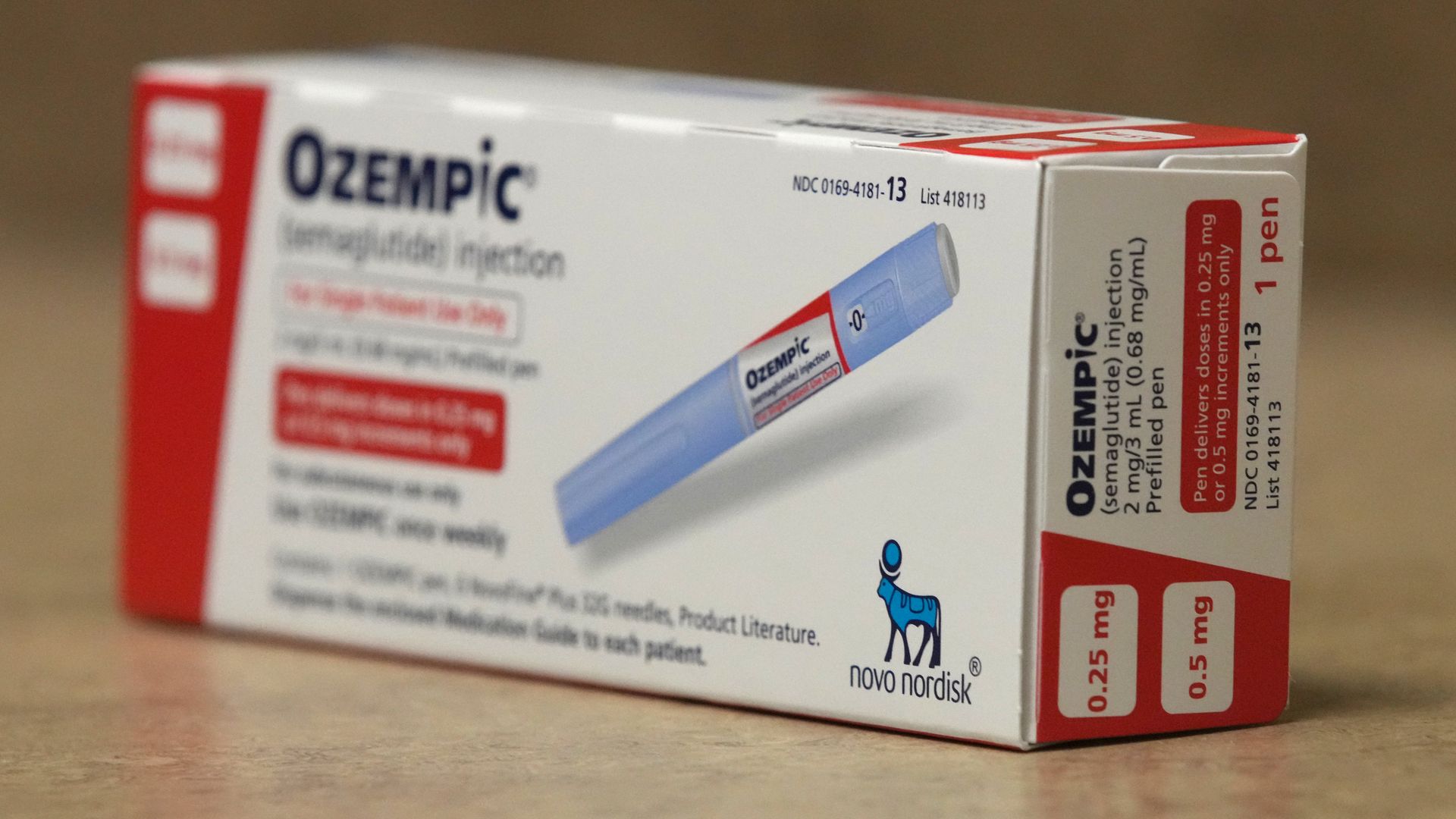
Novo Nordisk A/S Ozempic brand semaglutide medication arranged at a pharmacy on Nov. 27, 2023. Prescriptions of appetite suppressing GLP-1 weight-loss drugs skyrocketed 300% from 2020 to 2022. Photo: George Frey/Bloomberg via Getty Images
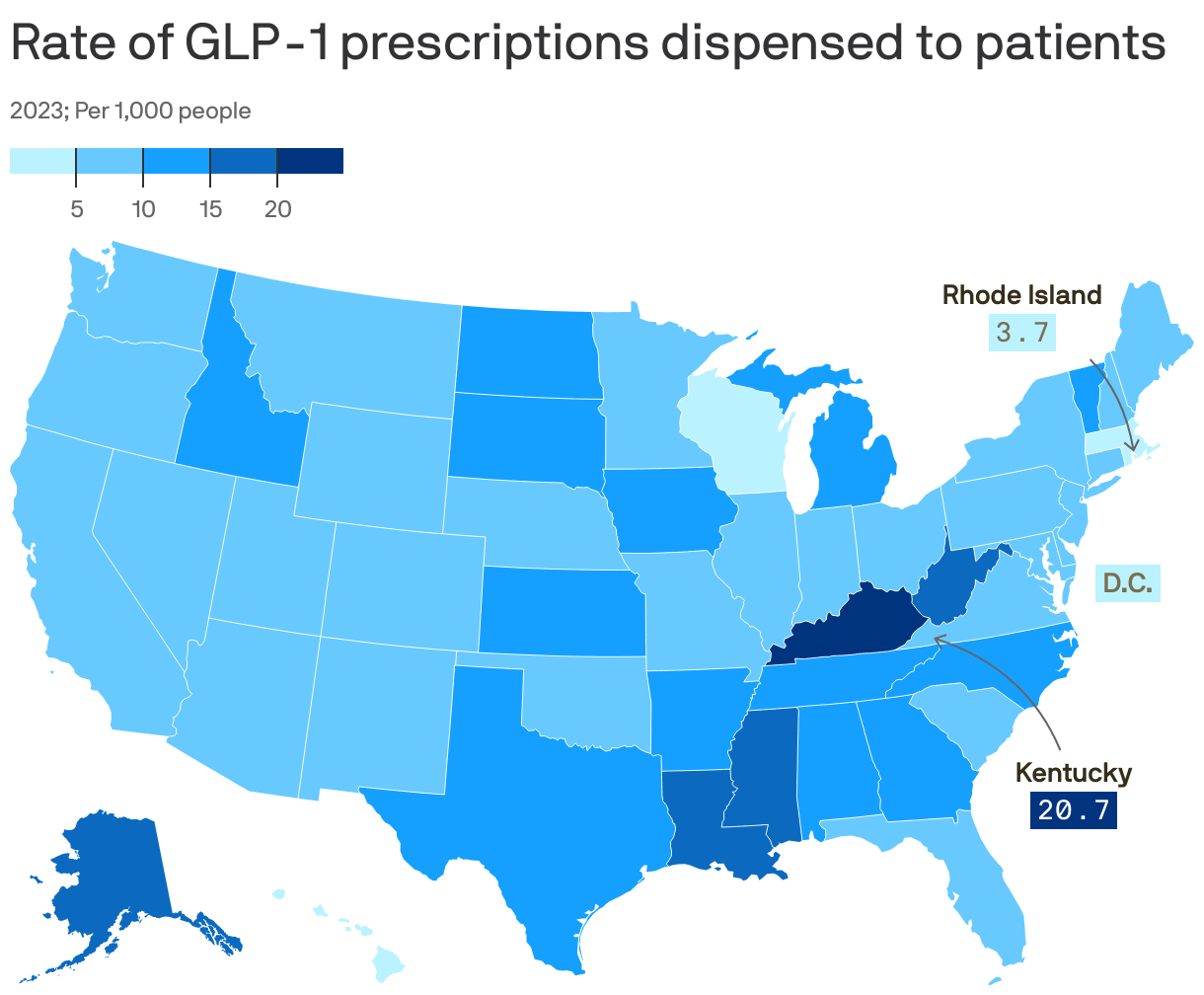
The number of prescriptions for anti-obesity GLP-1 drugs like Wegovy and Ozempic is rising in North Carolina, just as it is nationwide — a trend that could have substantial effects on a range of industries, from preventative care to food retail and distribution.
- Prescriptions for such drugs rose 5.65% from 2023 to 2024 in North Carolina, according to insurance claims data provided to Axios by health analytics company PurpleLab.
Why it matters: The data, which shows double-digit growth in 23 states, offers a snapshot of the sustained increase in demand across the U.S. for the drugs hailed as game-changers in the fight against obesity, Axios' Tina Reed reports.
Driving the news: NC Medicaid began coverage for weight-loss management medications for beneficiaries 12 and older starting Aug. 1, 2024. Before that, GLP-1 coverage was limited to members with diabetes.
- From Aug. 1 to the end of the year, Medicaid beneficiaries received 33,035 claims for GLP-1 drugs for weight loss, a number that's steadily climbed each month, according to the North Carolina Department of Health and Human Services.
- Almost 70% of North Carolinians are overweight or obese, 12% have diabetes and almost 10% have heart disease, per NCDHHS.
- Covering weight-loss drugs, an NCDHHS spokesperson said, is "financially smart for North Carolina" because they can address chronic conditions like heart disease.
What they're saying: "We've had a huge increase in demand for GLP-1 and GIP [other drugs used to treat obesity and diabetes] over the last several years in both the diabetic management as well as the weight loss side of things," Claire Wilder, a Charlotte-based internal medicine specialist with Tryon Medical Partners, tells Axios.
How it works: GLP-1s, usually administered via injection, reduce food noise (incessant thoughts around food that can make it difficult to focus on other things) and suppress appetite, which makes it easier to eat in a caloric deficit.
- Wilder says the drugs can have far-reaching benefits beyond weight loss, including a reduction in cardiovascular events like heart disease, sleep apnea and liver disease.
- While on GLP-1s, people often don't crave certain junk foods and alcohol like they did before, she adds.
Zoom in: In North Carolina — home of barbecue and Krispy Kreme doughnuts and fried chicken and biscuits — a growing apathy for heavier fare could ultimately affect the food industry.
- The nutritional priorities of consumers on GLP-1s shifts, Nestlé CEO Mark Schneider told CNBC last year.
- For instance, people on GLP-1s need to focus more on protein intake to retain muscle mass, Schneider told the outlet. This presents an opportunity for brands like Nestlé to consider making "healthier products."
- "Consumers still have nutritional needs, but they may be different from someone who is not on a weight-loss regimen," he said.
Yes, but: It might be a bit too early to tell what effects the drugs are having on business locally.
- "We have seen no discernible impact from GLP-1. Consumers often buy our doughnuts as a gift to share for special occasions and celebrations," a Krispy Kreme spokesperson tells Axios.
Between the lines: GLP-1s can improve the quality of life for patients taking them, Wilder says. Those in the fitness industry hope this means patients adopt healthy habits, too — such as regular workouts.
- Finley Funsten, a strength specialist, nutritionist and owner of MADabolic Charlotte, says building habits such as prioritizing protein and strength training is essential for long-term success.
- Without these habits, tapering off the drug often leads to weight rebound, Funsten says.
- "They [GLP-1s] offer a really promising advancement in the fight against obesity. They're specifically beneficial to those with significant weight-related health risks, like diabetes, hypertension and cardiovascular disease," Funsten says.
Reality check: The long-term use of these drugs carries unknown risks. And there are short-term side effects, like nausea, GI issues and the high possibility of weight regain after stopping.
- Most of Funsten's clients taking GLP-1s are using them for a range of three to north of six months.
The bottom line: "[GLP-1s] can really improve quality of life for people — and maybe even quantity," Wilder says, adding that data shows that losing 8-10% of your body weight adds years to your lifespan.