Mass. startup aims to bring archival work into 21st century

Add Axios as your preferred source to
see more of our stories on Google.
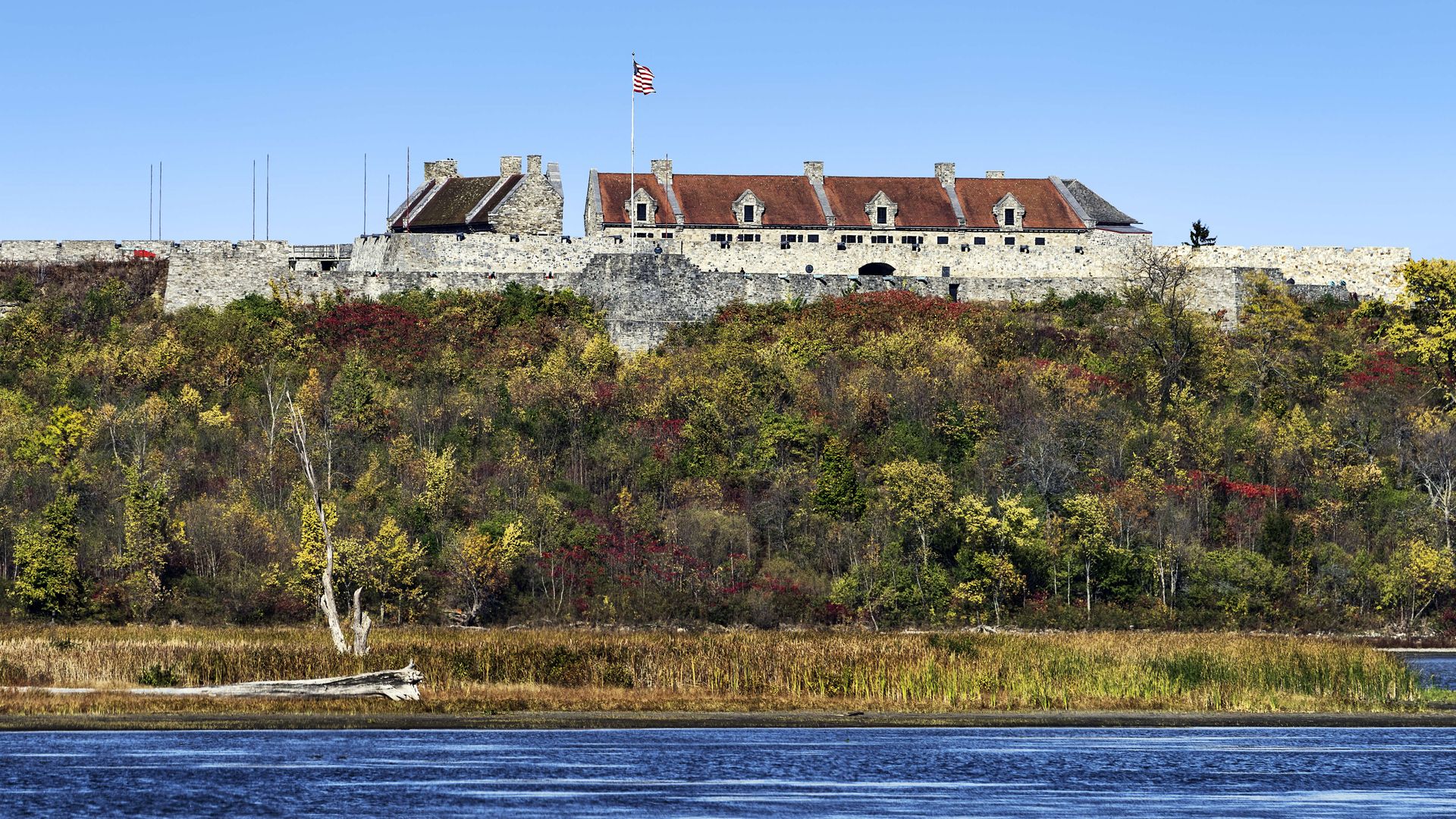
Fort Ticonderoga overlooking Lake Champlain. Photo: John Greim/LightRocket via Getty Images
Countless records that shed light on this 250-year-old nation have languished in boxes and warehouses for decades.
- A Massachusetts-based startup wants to modernize the cataloguing process to help preserve those items before it's too late.
The big picture: The National Archives faces a 30-year backlog of records, and other U.S. organizations are struggling with even larger piles of unprocessed archives.
- Archivists typically tackle those backlogs with a clipboard, pen and gloves — a process that takes hours just to identify records, let alone catalogue or digitize them.
- Dean Serrentino, a Haverhill-based entrepreneur, wants his platform Historiq to bring the manual archival work into the 21st century.
What they're saying: "There's a lot of history in boxes, on shelves, totally inaccessible to people," Serrentino tells Axios.
How it works: Historiq's AI-powered platform records an archivist's verbal description of an item and catalogues the item.
- The app will eventually let users scan or upload images of a record to digitize it, with the option to store the digital materials or download them.
State of play: Historiq launched last year with $1.25 million in funding from the startup's chair, Rob Waldron, and his wife, Jen, and a $5 million valuation.
- The startup has four full-time staffers and four advisers, including some heavy hitters.
- Coleen Joy Shogan, the U.S. archivist who served until her dismissal under President Trump last year, joined the board of advisers.
- The deputy archivist, Jay Bosanko, joined Historiq earlier this year as its chief archivist.
The latest: The startup has partnered with Fort Ticonderoga in New York to pilot the preservation app.
Zoom in: Some of Fort Ticonderoga's history is well known, like how it supplied cannons to help fortify Dorchester Heights and force British troops out of the city 250 years ago.
- The fort's rare books collection contains thousands of unprocessed books with military knowledge across the Atlantic from 1579 to the 18th century.
- The archival staff plans to tackle the rare books collection this summer and compare processing speeds against the past two years.
What we're watching: Historiq is still young. The company hasn't rolled out its products, much less finalized a price point for users.
- Serrentino and Bosanko declined to share more details about the price or rollout, but said they want to make sure it's accessible to archivists.