New school year starts without Mass. cell phone ban

Add Axios as your preferred source to
see more of our stories on Google.
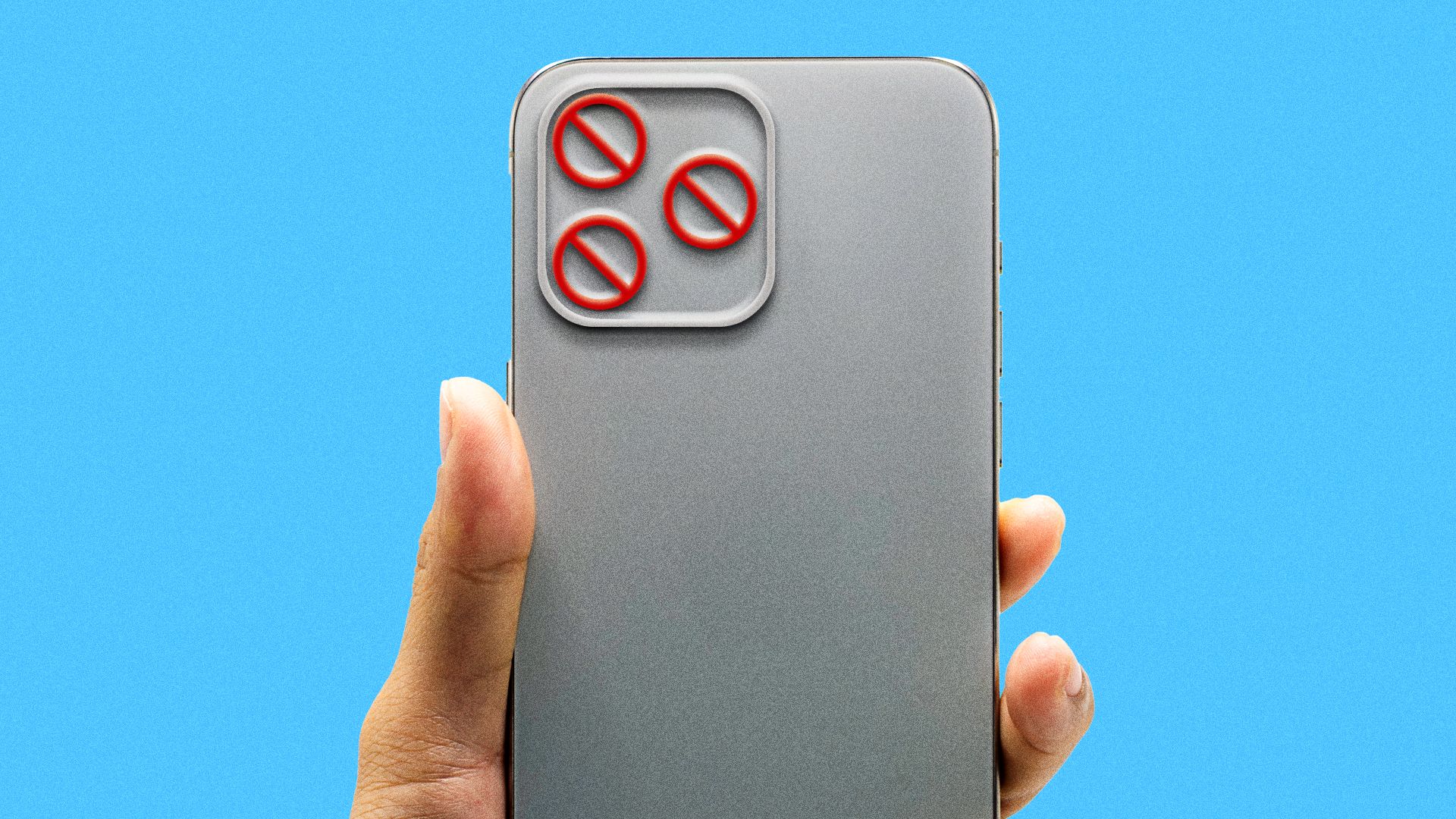
Illustration: Maura Losch/Axios
Massachusetts students returned to classrooms without the statewide cellphone ban that some legislators had hoped to implement, leaving districts and teachers to navigate tricky phone policies by themselves.
Why it matters: The failure of Democrats to promptly see eye to eye on a statewide policy leaves inconsistency across public schools for at least another year.
- Some districts have strict restrictions and others are relatively open to allowing access to devices that educators increasingly view as obstacles to learning.
Catch up quick: The state Senate passed comprehensive cellphone ban legislation in July with overwhelming bipartisan support to require "bell to bell" restrictions starting in the 2026-27 school year.
Yes, but: The bill stalled in the House.
- Most bills seen as priorities for the Senate end up being held up in the House because the Democrats in charge tend to jockey and negotiate final compromises only at the very end of their legislative session.
By the numbers:
- 72% of high school teachers say cellphones are a major problem in the classroom.
- At least 80 Massachusetts districts already have some form of phone restrictions.
- The state has already distributed $1.3 million in pilot grants to 77 districts for phone storage solutions.
Zoom in: The Senate's legislation would require all public school districts to ban students from having personal electronic devices during school hours, including lunch and recess.
- Exemptions would exist for students with medical needs, disabilities or individualized education plans.
- Parents have expressed concerns about not being able to get in touch with their children via cell phones throughout the day.
Between the lines: Gov. Maura Healey and Attorney General Andrea Campbell have supported the ban, but House leadership has remained the critical bottleneck this year.
- The chamber is usually reluctant to embrace Senate priorities or bills involving local control issues.
What's next: Without a state ban, districts will continue to implement a patchwork of policies, including Boston Public Schools' magnetic phone pouches and Newton's outright ban for K-8 students.
The bottom line: There's still time for the House and Senate to reach an agreement for the 2026-27 school year, but any hope of statewide guidance for this fall is long gone.