Mass. researchers test transcranial ultrasound to explore consciousness

Add Axios as your preferred source to
see more of our stories on Google.
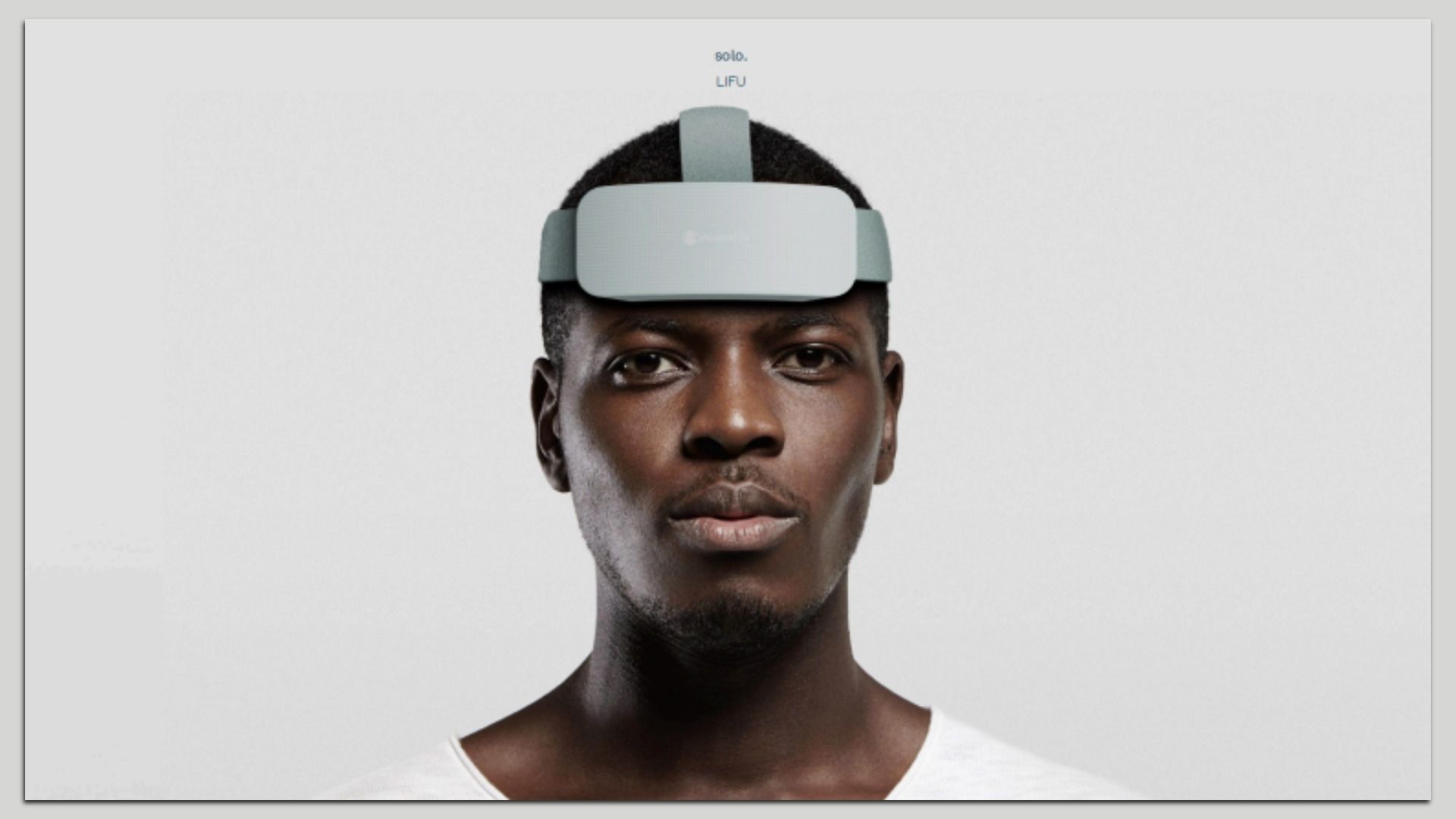
Someone wearing Openwater's low-intensity focused ultrasound device. Photo: Courtesy of Openwater
A team of MIT researchers is exploring the depths of our consciousness — with help from ultrasounds for your brain.
Why it matters: The experiments could one day help scientists find non-invasive ways to treat depression, PTSD, brain tumors and other conditions.
Driving the news: MIT Lincoln Labs, a U.S. Department of Defense-funded research and development center in Lexington, recently received a low-intensity focused ultrasound from the company Openwater — the latest tool of its kind it'll use in its ongoing consciousness research.
- Lincoln Labs and labs on campus plan to launch experiments in the next year using the device on humans to analyze which neurons fire to stimulate vision and, ultimately, pain, pending university approval, says Daniel Freeman, a research scientist at Lincoln Labs.
The intrigue: There's the goal to analyze how it could help understand or treat PTSD and mood disorders in veterans, and then there's the existential question that stumps neuroscientists — how does our human experience arise from brain activity?
- "I mean, some matter moves around in your head, and you feel something," Freeman tells Axios. "That remains a total mystery, and it's barely being studied."
How it works: The Openwater device goes on someone's head like a headband, and the device directs the sound beams to hit a specific part of the brain.
- It's not the only transcranial focused ultrasound around, but it has a unique design and an ease with which the software processes MRI scans to direct the beams to the right spot.
Zoom out: Transcranial ultrasounds have already been found to reduce micro clots in long-COVID patients (per an Openwater experiment) and even opiate addiction cravings.
- Openwater's leaders foresee the device one day being used by doctors to inject treatments into specific areas of the brain without surgery or using sound beams to treat certain brain conditions.
What they're saying: "It's a great way to non-invasively aim this beam deep into the brain to affect research or even for medical treatments," says Scott Smith, vice president of community development at Openwater.
What's next: Lincoln Labs plans to start with healthy subjects in its experiments with the Openwater device, and their findings may have larger implications for people with mood disorders or other conditions, including veterans with PTSD.
- Lincoln Labs and other labs on campus will soon work together more closely on consciousness research.