What to know as Karen Read's retrial heads to jury

Add Axios as your preferred source to
see more of our stories on Google.
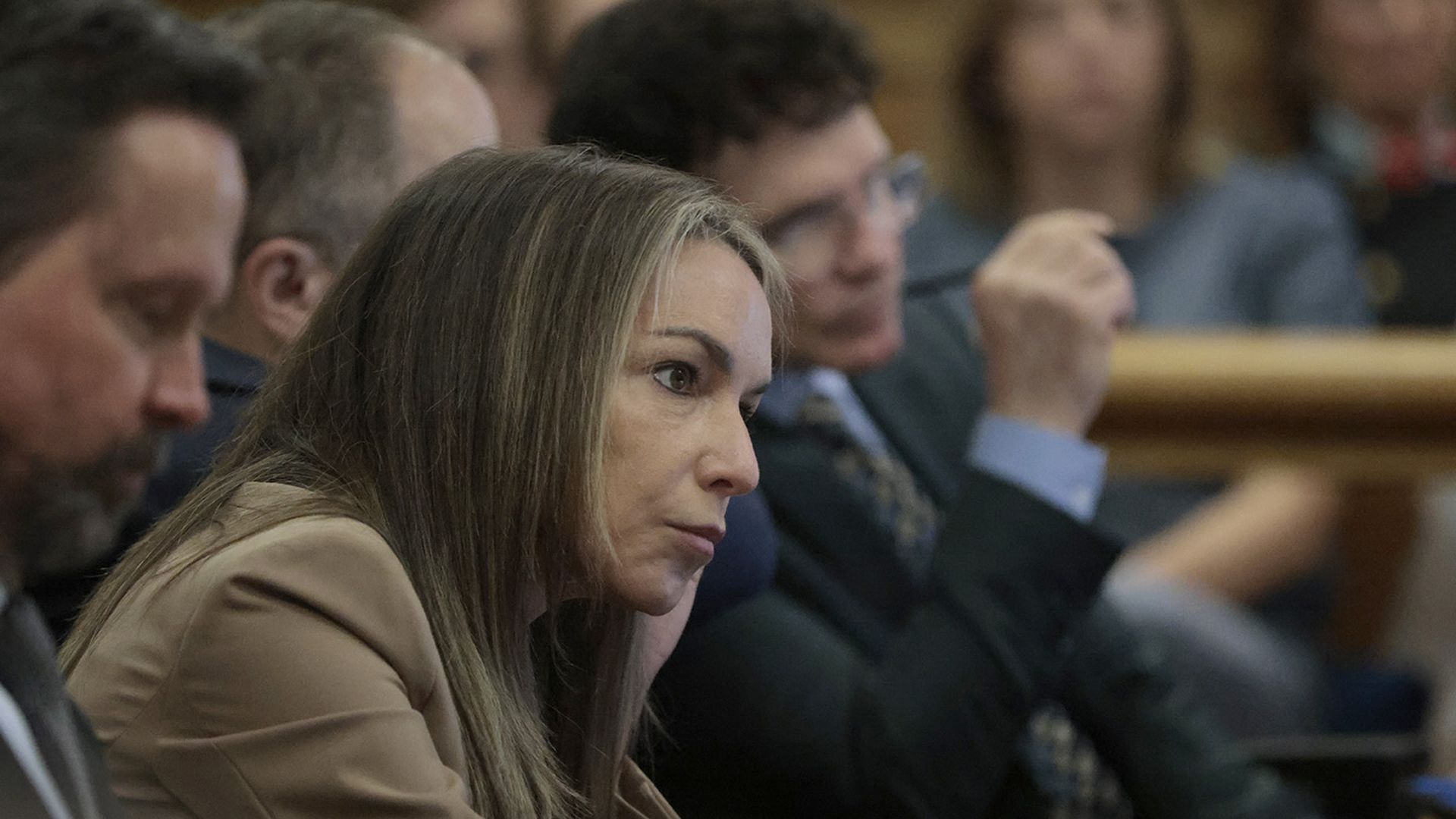
Karen Read in Norfolk Superior Court on June 9. Photo: Pat Greenhouse/The Boston Globe via Getty Images
A jury will soon deliberate on whether Karen Read is guilty in the death her boyfriend, the late Boston police officer John O'Keefe.
Why it matters: Their decision will put this question to rest after two high-profile trials.
Catch up quick: Prosecutors say Read drunkenly hit O'Keefe while backing up her car outside his friend's house in Canton and fled as he lay dying in January 2022.
- Defense attorneys say Read wasn't responsible for O'Keefe's death and was set up by Massachusetts police.
- Read is charged with second-degree murder, manslaughter while operating a vehicle under the influence and leaving the scene of a deadly collision.
- Since Read's first trial ended in a hung jury, her attorneys have repeatedly — and unsuccessfully — asked the courts to dismiss charges or declare a mistrial.
The latest: Attorneys delivered their closing statements Friday, capping a high-profile seven-week trial. The jury was expected to begin deliberating Friday afternoon.
Much of the retrial relied on the same arguments as the first, but this time, Read and O'Keefe's friend Jennifer McCabe changed her testimony to say Read had said "I hit him" three times.
- That statement resembles what paramedic Katie McLaughlin had told the court she recalled in both trials.
- Depending on where you stand, it's either bombshell testimony or a shift that calls McCabe's credibility into question, says Sam Bassett, a criminal defense attorney who has followed the retrial.
- This time, State Trooper Michael Proctor, the lead investigator who came under fire for incendiary texts disparaging Read, was absent.
- "Not having him there to be ambushed about his inappropriate conduct was probably a big, positive step for the prosecution," Bassett says.
What we're watching: All eyes are now on the jury instructions — after the last trial ended with a hung jury and claims that jurors were confused about the directions — and, of course, the deliberations themselves.