Harvard ban threatens startup pipeline

Add Axios as your preferred source to
see more of our stories on Google.
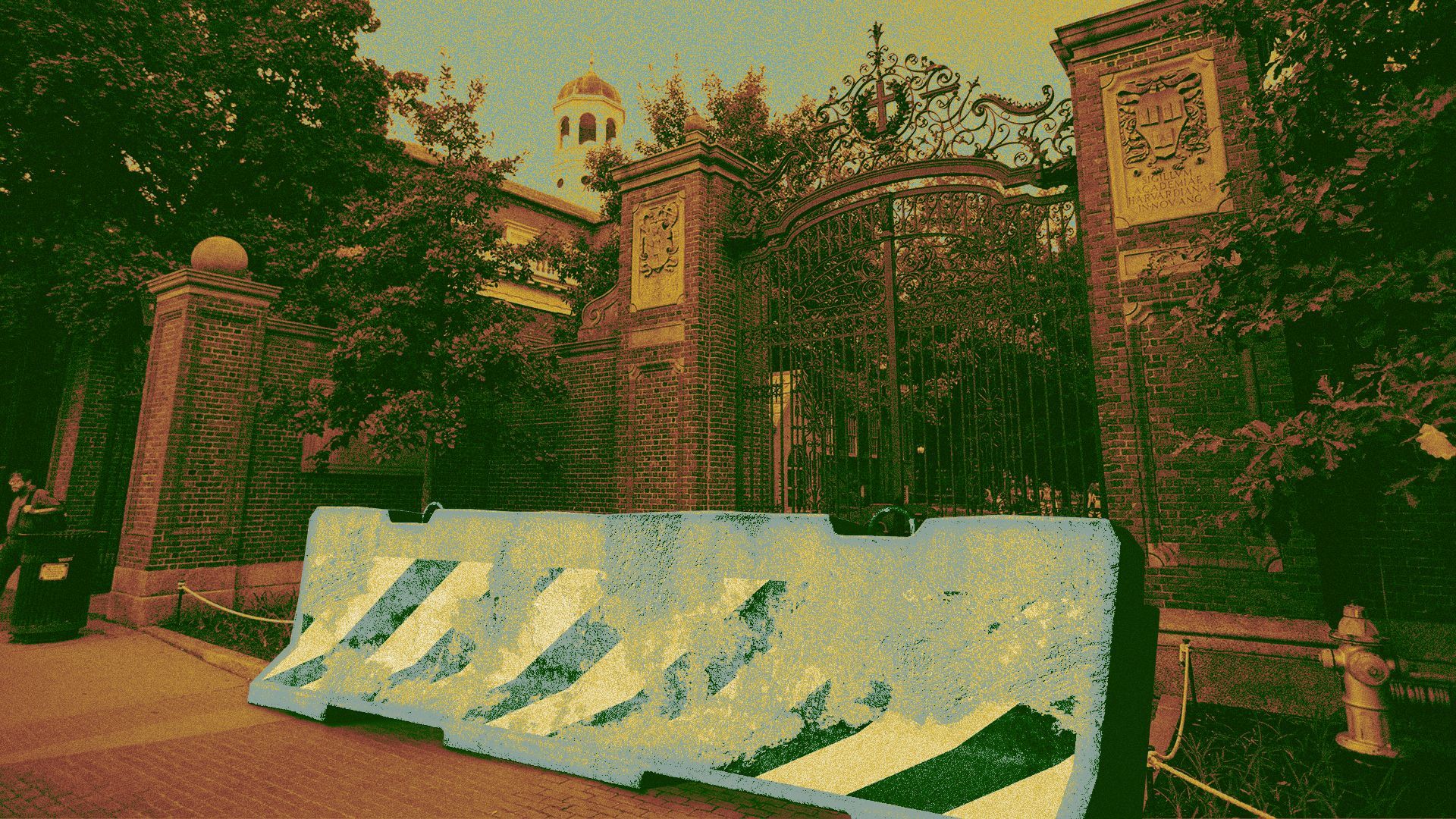
President Trump's decision to prevent international students from studying at Harvard could hurt America's economy by reducing the number of startup founders.
- Why it matters: Trump is aiming at Harvard, but buckshot may hit the innovation engine that America needs to stay ahead of China.
🧮 By the numbers: Around 44% of U.S. unicorn companies — startups valued at $1 billion or more — are founded or cofounded by immigrants.
- Some of them moved to the U.S. as children, but many came for school, then stayed to build their businesses.
- An Axios analysis shows that around two dozen U.S. unicorns were founded or cofounded by international students who studied at Harvard. Under Trump's rule, none of them would have been allowed to enroll.
- Among those unicorns are payments giant Stripe, cybersecurity firm CloudFlare, crypto brokerage FalconX and generative AI startup Writer.
🔬 Zoom in: Harvard ranks as one of America's top schools for educating startup founders, ranking third for undergrads, second for grad students, and first for MBAs, according to PitchBook.
The big picture: Harvard is just one U.S. university out of thousands, but it has an outsized global reputation.
- Trump's move could discourage other foreign students from coming here at all, particularly after Homeland Security Secretary Kristi Noem told Fox News that the Harvard halt "should be a warning to every other university."
For the more than 6,000 current Harvard students, some may seek to transfer — although it could be quite onerous, particularly for those in the midst of scientific graduate degrees that are tied to specific professors.