250 years after the Battle of Lexington, residents sound the alarm over Trump

Add Axios as your preferred source to
see more of our stories on Google.
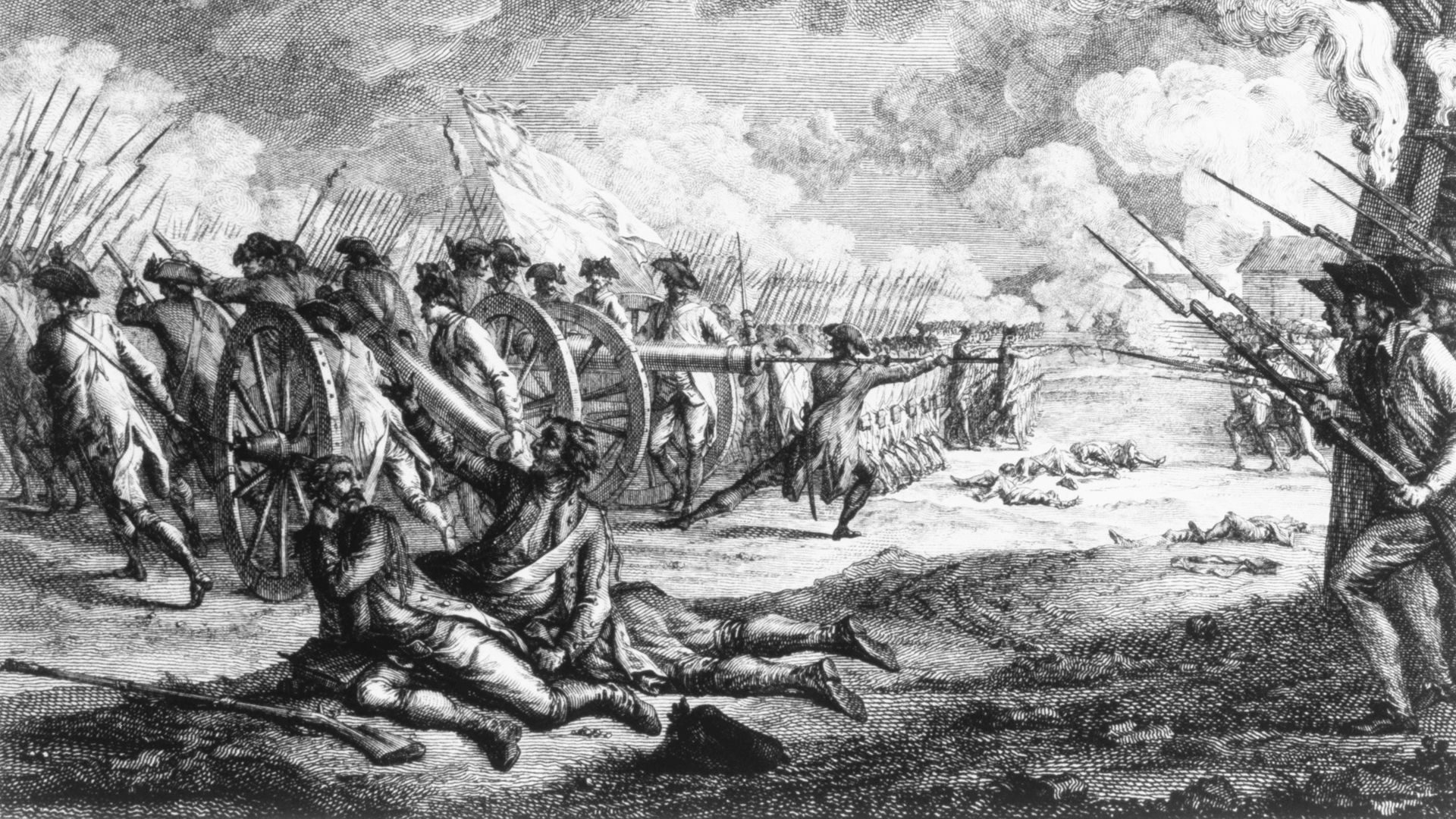
The image shows when British troopers were met by minutemen in Lexington on April 19, 1775. Image: ORBIS/Corbis via Getty Images
Even 250 years after the first battle of the American Revolution, the spirit of resistance lives on in Lexington.
The big picture: The Boston suburb and neighboring Concord have spent more than a year preparing to commemorate the 250th anniversary of the American Revolution's first battle.
Now, alongside Lexington's parades and memorial events will be crowds of protesters challenging the Trump administration's recent efforts to overhaul the federal workforce and remove immigrants entitled to due process, organizers say.
Driving the news: Longtime Lexington residents are planning a demonstration Saturday morning, first at the 11am dedication ceremony and then along the suburb's parade route, organizers say.
- The intergenerational group of organizers call themselves the Lexington Alarm, a nod to the alarm announcing the beginning of the American Revolution.
- The organizers expect hundreds of demonstrators, based on the number of "Lexington Alarm" signs people have ordered.
Between the lines: Lexington and Concord expect thousands to come celebrate the 250th anniversary, in addition to the visitors who descend on Greater Boston ahead of the Boston Marathon.
- It's nearly impossible to celebrate these historic milestones without acknowledging the whiplash Bostonians have experienced in recent months, organizers and experts say.
- The hits range from losing business over the on-and-off-again tariff threats to the Somerville detainment of Tufts international student Rümeysa Öztürk, who had no criminal record, and efforts to remove other international students who are entitled to due process.
Flashback: 250 years ago, Massachusetts residents were struggling with the British empire's encroachment on the colony's government, says Daniel Breen, a law professor at Brandeis University.
- The British Parliament's response to the Boston Tea Party in 1773 was to pass a law a year later that effectively killed the Massachusetts Bay Charter of 1691 and gave the king, rather than the colony's assembly, the power to appoint Governor's Council members.
- The law, known as the Massachusetts Government Act, also gave the governor, a British appointee, the sole authority to appoint judges, the attorney general, sheriffs and other court officers
The other side: President Trump's supporters have lauded his widespread cuts of federal employees, ramped-up immigration enforcement and tariff threats as ways to rein in what they consider a bloated federal government and promote American industries.
Yes, but: There's a difference between supporting policies that favor small government and immigration enforcement and upending the protections and processes the nation has in place to achieve those goals, Breen says.
- "Once you mess around with the way things are customarily and legally done, then you open the door to something nobody ought to like, which is an end to stable republican institutions," he said.
What's next: Lexington's protest won't be the last of its kind. Embrace Boston will lead a demonstration on the 60th anniversary of the Freedom Rally of 1965.
- It's not only to commemorate the historic civil rights rally in the context of the American Revolution's 250th anniversary, but it's a call to preserve housing, racial equity and education during the Trump administration, says Imari Paris Jeffries, president and CEO of Embrace Boston.